

 Oil On PanelWallArtNorthern Renaissance
 1566Renaissance
 116.0 x 164.0 cm
当社のアーティストが、お客様のご希望のサイズと額縁に合わせて、キャンバスに手描きで制作する油彩画です。 ( プリント版に切り替え デジタル画像販売へ切り替え)





























作品のオリジナル比率に合わせた、当店の規定サイズからお選びください。

特定のフレームやスペースに合わせて、ご希望のサイズをご入力いただけます。選択されたサイズが元の画像の比率と異なる場合、アートワークをトリミングするか、手描きで要素を追加して絵画を拡張いたします。デジタルモックアップ を制作し、制作開始前にご確認(承認)をいただきます。
画面上のプレビューは、実際のトリミングや拡張を正確に反映しているものではありません。最終的な構図は、モックアップによってのみ正確にご確認いただけます。
カスタムサイズもご利用いただけますが、元の比率を維持するためには、あらかじめ用意されたリストからサイズを選択することをお勧めいたします。

The Census at Bethlehem
複製画サイズ一覧
In the quiet, frost-bitten landscape of 16th-century Flanders, Pieter Bruegel the Elder captures a moment that is simultaneously sacred and profoundly mundane. The Census at Bethlehem, completed in 1566, is far more than a mere biblical illustration; it is an immersive window into the rhythms of rural Brabant life during the height of the Northern Renaissance. While the painting ostensibly depicts the biblical account from the Gospel of Luke—the journey of Mary and Joseph to Bethlehem for Caesar Augustus' census—Bruegel masterfully de-centers the divine to focus on the human. Instead of a solemn, ethereal procession, we find ourselves thrust into a bustling, snow-dusted village square where the weight of imperial decree meets the simple, enduring struggles of the peasantry.
The atmosphere is palpable, thick with the biting chill of a Flemish winter. Bruegel employs a meticulous technique, utilizing fine hatching and cross-hatching to sculpt the textures of heavy woolen garments, the sturdy flanks of working horses, and the uneven, frozen earth. His palette, dominated by earthy pigments and muted tones, reflects the harsh realities of the season, yet there is a vibrant liveliness found in the small details: the movement of birds through the crisp air, the rhythmic toil of men pulling carts, and the scattered activity of villagers engaged in their daily chores. This technical precision creates a sense of depth that pulls the viewer into the scene, making the cold feel almost tangible.
Beyond its surface-level narrative, the painting serves as a complex tapestry of social commentary and spiritual symbolism. Bruegel was a keen observer of the human condition, and in this work, he subtly critiques the societal hierarchies of his time. The contrast between the monumental scale of the landscape and the minute, busy lives of the figures suggests a world where individual struggles are dwaressed by larger historical and religious forces. The ruined building visible on the right serves as a poignant visual counterpoint, perhaps hinting at the fragility of human structures in the face of divine providence or the shifting political tides of the era.
For the modern collector or interior designer, this masterpiece offers an unparalleled emotional depth. It is a piece that commands attention through its sheer narrative density and atmospheric beauty. Whether viewed as a study of historical resilience or as a breathtaking landscape of winter light and shadow, The Census at Bethlehem brings a sense of timelessness and intellectual gravity to any space. It invites contemplation on the intersection of the extraordinary and the everyday, making it an exquisite choice for those who seek art that tells a story far beyond the frame.


1525 - 1569 , ベルギー

Unveil the intricate mastery of Northern Renaissance Art. Explore the luminous oil techniques, hidden symbolism, and breathtaking realism of Flemish masters through an expert lens of art history and technical precision.
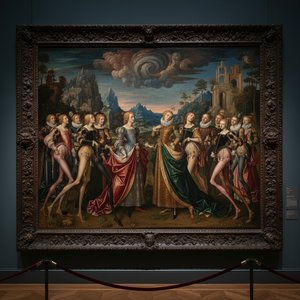
Explore the dramatic evolution of Northern Mannerism. Discover how masters like Bosch and Grünewald transitioned from Renaissance harmony to profound, elegant distortion through an expert analysis of symbolism, emotional intensity, and artistic innovation.

Explore the profound beauty of village scene art. From Impressionist light to pastoral realism, discover how timeless landscapes capture nostalgia through expert artistry and historical depth. Perfect for collectors seeking evocative, museum-quality landscape inspirations.

Explore the intricate beauty of Northern Renaissance art. Discover the revolutionary oil techniques, profound symbolism, and microscopic realism of the Franco-Flemish masters in this expert guide for classical art enthusiasts.

 設置イメージを確認
 送る
送る シェア
シェア
 詳細情報
詳細情報 ガイドを表示

 画像をダウンロード
 似ている作品
 X線調査
X線調査 スライドショー
 統計情報
統計情報 続きを読む
続きを読む









 ガラスオプションは、110cm未満のサイズでのみご利用いただけます。


