
 Oil On CanvasWallArtImpressionism
 1907Modern
 99.0 x 125.0 cm
迅速な制作と多彩な仕上げオプションを備えた、ミュージアムクオリティのジークレーまたはキャンバスプリント。 ( 手描きの絵画を購入 デジタル画像販売へ切り替え)





























作品のオリジナル比率に合わせた、当店の規定サイズからお選びください。

特定のフレームやスペースに合わせて、ご自身でサイズを指定することも可能です。選択されたサイズが元の画像の比率と一致しない場合、作品をトリミングするか、鏡面反射または単色での塗りつぶしによって画像を拡張いたします。制作を開始する前に、ご確認用のデジタルモックアップをお送りいたします。
画面上のプレビューには、実際のトリミングや拡張は反映されませんのでご注意ください。最終的な構図を正確に確認できるのは、モックアップのみとなります。
カスタムサイズも承っておりますが、元の比率を維持するためには、あらかじめ用意されたリストからサイズを選択することをお勧めいたします。

Windmill in the Gein
複製画のサイズ
Piet Mondrian’s Windmill in the Gein, painted in 1907, isn't merely a depiction of a rural scene; it’s a pivotal moment in the artist’s journey toward abstraction. This oil on canvas, measuring 99 x 125 cm, resides within a private collection and offers a captivating glimpse into the nascent stages of Neoplasticism – Mondrian’s revolutionary approach to art that would forever alter the landscape of modern painting. Initially rooted in his Dutch Impressionist training, where he meticulously rendered landscapes brimming with detail and light, this work marks a decisive shift away from representational accuracy towards a distilled essence of form and color. The painting immediately draws the eye to the solitary windmill, its two sails gracefully turning against a subtly clouded sky, evoking a profound sense of tranquility and timelessness.
The composition is remarkably restrained yet powerfully effective. Mondrian masterfully employs horizontal and vertical lines – the very building blocks of Neoplasticism – to define the windmill’s structure and the surrounding landscape. The subtle variations in tone and color—a muted palette dominated by blues, greens, yellows, and browns—create a harmonious balance that speaks to the artist's desire for universal harmony through geometric abstraction. Notice how the dark silhouette of the windmill anchors the scene, its vertical thrust providing a counterpoint to the horizontal expanse of the sky and field. The inclusion of two smaller windmills in the background establishes a sense of depth and perspective, hinting at a broader landscape while simultaneously reinforcing the central focus on the primary subject.
Windmill in the Gein is more than just a pretty picture; it’s a crucial stepping stone in Mondrian's development of Neoplasticism. Prior to this period, his work was characterized by a detailed observation of nature, often employing techniques reminiscent of the Hague School and Dutch Impressionism. However, as evidenced here, he began experimenting with simplification, reducing forms to their essential elements – lines and colors – while simultaneously exploring the emotional impact of these reduced forms. The painting’s quietude and contemplative mood reflect Mondrian's growing interest in conveying spiritual truths through abstract art. He sought to move beyond mere imitation of reality, aiming instead to capture a universal harmony that transcended individual objects or scenes.
The context surrounding this work is equally significant. Mondrian was deeply influenced by the philosophical ideas of Theosophy and Rudolf Steiner, which emphasized the interconnectedness of all things and the importance of spiritual insight. He believed that art could serve as a vehicle for accessing these deeper truths, and his exploration of Neoplasticism was driven by this conviction. The painting’s serene atmosphere and simplified forms align perfectly with this philosophical framework, suggesting a world stripped down to its purest essentials – a world where beauty resides in the balance of lines and colors.
Looking closely at Windmill in the Gein reveals a fascinating transition from Mondrian’s earlier naturalistic style. The bold lines, geometric shapes, and limited color palette foreshadow his later, more radical works – those that would define the De Stijl movement. The painting isn't fully abstract; it retains traces of its origins in landscape painting, but these elements are subtly transformed into a new visual language. It’s a delicate balance between observation and abstraction, a crucial stage in Mondrian’s artistic evolution.
Interestingly, the location itself – the Gein region of the Netherlands—holds significance. The area is known for its numerous windmills, which were vital to the region's agricultural economy. Mondrian’s choice to depict this iconic symbol of Dutch rural life speaks to his deep connection with his homeland and his desire to capture a sense of national identity through his art. This painting isn’t simply about a windmill; it’s about a way of seeing, a method of distilling the essence of a place and its people.
To delve deeper into the life and work of Piet Mondrian and the development of Neoplasticism, we recommend exploring resources such as the WahooArt.com database, which provides comprehensive information on his paintings and artistic influences. Additionally, Wikipedia offers a detailed biography and historical context for his career. For those seeking to experience Mondrian’s art firsthand, numerous reproductions are available through WahooArt.com, offering an opportunity to appreciate the beauty and complexity of this pivotal work.


1872 - 1944 , オランダ

Explore the profound spiritual depth of geometric abstraction. From Malevich's Suprematism to modern masters, our expert guide reveals how pure form and color command presence in fine art collections.

Explore the profound elegance of De Stijl. Discover how Piet Mondrian and the masters of Neoplasticism utilized geometric harmony and primary colors to redefine modern abstraction. An authoritative guide for the discerning collector seeking timeless, structured beauty.
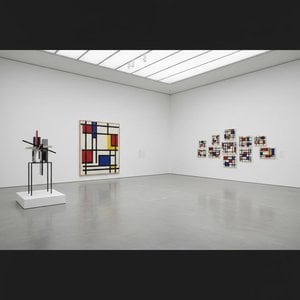
Explore the profound essence of Neoplasticism. Discover how Piet Mondrian and De Stijl masters used pure color and geometric form to redefine modern art. An essential guide for collectors seeking to understand the enduring power of abstract harmony and universal order.


 プレビュー
プレビュー
 シェアする
シェアする シェアする
シェアする
 詳細を見る
詳細を見る ガイド
ガイド

 ダウンロード
 似ている作品
 X線調査
X線調査 スライドショー
 統計情報
統計情報 詳細を見る
詳細を見る









 ガラスオプションは、110cm未満のサイズでのみご利用いただけます。


