
当社のアーティストが、お客様のご希望のサイズと額縁に合わせて、キャンバスに手描きで制作する油彩画です。 ( プリント版に切り替え デジタル画像販売へ切り替え)





























作品のオリジナル比率に合わせた、当店の規定サイズからお選びください。

特定のフレームやスペースに合わせて、ご希望のサイズをご入力いただけます。選択されたサイズが元の画像の比率と異なる場合、アートワークをトリミングするか、手描きで要素を追加して絵画を拡張いたします。デジタルモックアップ を制作し、制作開始前にご確認(承認)をいただきます。
画面上のプレビューは、実際のトリミングや拡張を正確に反映しているものではありません。最終的な構図は、モックアップによってのみ正確にご確認いただけます。
カスタムサイズもご利用いただけますが、元の比率を維持するためには、あらかじめ用意されたリストからサイズを選択することをお勧めいたします。

Dauphine Landscape
複製画のサイズ
In the delicate brushstrokes of Pierre Bonnard’s Dauphine Landscape, we are invited into a world where time seems to hold its breath. Painted in 1899, this evocative work captures a fleeting moment of stillness within a valley caught in the grip of winter. The scene is far from the harshness one might expect from the season; instead, Bonnard presents a landscape of profound tranquility. Through a masterful use of light and atmosphere, the artist transforms a simple view of trees, grass, and distant buildings into a poetic meditation on solitude and the enduring beauty of the natural world. The leafless trees, standing like silent sentinels against the pale sky, suggest a period of dormancy, yet there is an underlying vitality in the way the light interacts with the frost-touched earth.
The composition of the piece is a masterclass in balance and narrative subtlety. Scattered throughout the valley are small, almost ethereal figures—people engaged in the quiet rhythms of daily life, their presence adding a layer of human warmth to the wintry chill. The inclusion of two horses, positioned thoughtfully within the frame, anchors the scene in a pastoral reality, bridging the gap between the wildness of nature and the settled life of the village. For the discerning collector or interior designer, this painting offers a unique sense of depth; it is a window into a bygone era that brings a sophisticated, contemplative energy to any space, whether placed in a sunlit gallery or a cozy, private study.
To understand the technical brilliance of Dauphine Landscape, one must look toward Bonnard’s roots within the Nabis movement. While his early training was steeped in the rigor of law, his artistic soul was shaped by a rejection of academic stiffness in favor of expressive color and flattened perspectives. In this work, we see the transition from pure Impressionism toward something more intimate and decorative. The technique is not merely about capturing light, but about capturing feeling. Bonnard uses a palette that respects the muted tones of winter—soft greys, earthy browns, and subtle whites—yet he infuses the canvas with a luminous quality that makes the landscape feel as though it is glowing from within.
The brushwork is fluid and rhythmic, guiding the eye across the valley floor toward the distant architecture. There is no heavy-handedness here; rather, there is a lightness of touch that allows the viewer's imagination to fill in the details of the crisp winter air. This approach creates an emotional resonance that is both nostalgic and timeless. For those seeking to adorn a home with art that inspires peace, this reproduction serves as a perfect centerpiece, offering a sophisticated interplay of texture and tone that complements both classical and contemporary decor.
Beyond its historical significance, Dauphine Landscape possesses an enduring emotional impact. It evokes a sense of "nostalgie de la boue"—a longing for the simple, pastoral beauty of the French countryside. The painting does not demand attention through loud colors or dramatic action; instead, it earns it through a quiet, persistent charm that rewards long periods of contemplation. It is an artwork that breathes with the room it inhabits, providing a sense of calm and a connection to the natural cycles of life.
For the art lover looking to invest in a piece that transcends trends, Bonnard’s work represents a pinnacle of late 19th-century mastery. Owning a high-quality reproduction of this masterpiece allows one to bring the serene atmosphere of a French winter into the modern home, creating an environment of elegance, history, and profound peace.


1867 - 1947 , フランス

Explore the rich history of landscape art with WahooArt. Discover renowned artists, movements like Impressionism & Romanticism, and expert guidance for collecting timeless pieces. Find your perfect serene escape today!
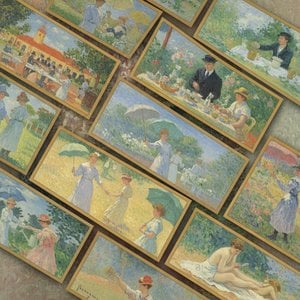
ルノワールの傑作25選🎨 印象派の光と色彩が輝く世界へ。絵画の背景、技法、そして時代を超えて愛される理由を紐解きます。WahooArtで高品質な複製画やインテリアアートを見つけ、お部屋に芸術的な彩りを✨ Explore the full collection online!

ジョン・コンスタブルの傑作25選。英国風景画の巨匠が描く自然と光の詩の世界へ。ロマン主義を代表する絵画、デダム・ヴェールやヘイ・ウェインなど、WahooArtで高品質なアートプリントをお楽しみください。インテリアに深みと感動を。コレクションはこちら。
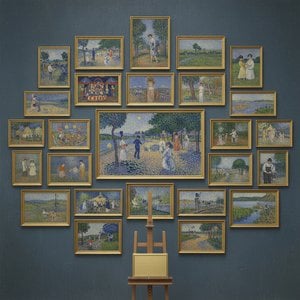
ジョルジュ・スーラの傑作25選。点描画の光と色彩、印象派から新印象派へ—WahooArtで美術史を紐解き、リビングやダイニングを彩る高品質なアートプリントを見つけましょう。セーラ作品集をオンラインで鑑賞ください。
Explore the history of serene landscape art & discover artists who evoke tranquility. Find the perfect calming artwork for your home with expert guidance from WahooArt.


 プレビュー
プレビュー
 シェアする
シェアする シェアする
シェアする
 詳細を見る
詳細を見る ガイド
ガイド

 ダウンロード
 似ている作品
 X線調査
X線調査 スライドショー
 統計情報
統計情報

 詳細を見る
詳細を見る









 ガラスオプションは、110cm未満のサイズでのみご利用いただけます。


