
x


迅速な制作と多彩な仕上げオプションを備えた、ミュージアムクオリティのジークレーまたはキャンバスプリント。 ( 手描きの絵画を購入 画像を購入)





























作品のオリジナル比率に合わせた、当店の規定サイズからお選びください。

特定のフレームやスペースに合わせて、ご自身でサイズを指定することも可能です。選択されたサイズが元の画像の比率と一致しない場合、作品をトリミングするか、鏡面反射または単色での塗りつぶしによって画像を拡張いたします。制作を開始する前に、ご確認用のデジタルモックアップをお送りいたします。
画面上のプレビューには、実際のトリミングや拡張は反映されませんのでご注意ください。最終的な構図を正確に確認できるのは、モックアップのみとなります。
カスタムサイズも承っておりますが、元の比率を維持するためには、あらかじめ用意されたリストからサイズを選択することをお勧めいたします。

Orange Trees
複製画のサイズ
Pierre-Auguste Renoir’s “Orange Trees,” painted circa 1872-1873, isn't merely a depiction of a Provençal landscape; it’s an immersion into the very essence of summer. This vibrant canvas captures a fleeting moment in the fields surrounding Argenteuil, just outside Paris, and immediately draws the viewer into its sun-drenched embrace. The scene unfolds with a remarkable sense of immediacy – as if we've stepped directly onto the grassy verge, warmed by the afternoon light. It’s a painting that speaks volumes about Renoir’s fascination with capturing the ephemeral beauty of everyday life, a core tenet of the Impressionist movement.
The composition is deceptively simple yet profoundly effective. A gentle slope leads our eye towards a cluster of orange trees laden with fruit, their branches heavy and drooping under the weight of their bounty. Scattered amongst them are several sheep, grazing peacefully – not as subjects to be studied, but integrated seamlessly into the landscape, contributing to the overall feeling of harmonious coexistence. Renoir masterfully employs broken brushstrokes, layering colors rather than meticulously blending them, creating a shimmering effect that mimics the play of light on foliage and water. The palette is rich and luminous, dominated by shades of green – from the deep emerald of the distant trees to the lighter, almost turquoise hues of the foreground grasses – punctuated by the fiery oranges of the fruit and the warm yellows of the sunlight.
“Orange Trees” is a quintessential example of Impressionist technique. Renoir, like his contemporaries Monet and Sisley, was driven by a desire to capture not just the *appearance* of a scene, but its *impression*. He prioritized the fleeting effects of light and atmosphere over precise detail or photographic accuracy. This is evident in the loose brushwork, the vibrant colors applied directly from the tube, and the emphasis on capturing the transient qualities of the moment. The painting isn’t about rendering a perfect representation; it's about conveying the *feeling* of being there – the warmth of the sun, the scent of blossoms, the gentle rustle of leaves.
The painting’s context within the Impressionist movement is crucial to understanding its significance. Following the academic traditions of the Salon, where detailed realism was prized, Renoir and his colleagues sought a new approach to art – one that prioritized subjective experience and the artist's personal perception. They rejected the dark, dramatic palettes favored by earlier generations, opting instead for brighter, more optimistic colors. “Orange Trees” embodies this shift perfectly, radiating an almost joyful exuberance.
Beyond its purely aesthetic qualities, "Orange Trees" is laden with symbolic meaning. The abundance of fruit represents fertility, prosperity, and the bounty of nature – a recurring theme in Impressionist art. The sheep, symbols of innocence and simplicity, further reinforce this pastoral ideal. They are not merely livestock; they embody a connection to the land and a celebration of rural life. The choice of an orange grove specifically evokes the South of France, a region associated with leisure, beauty, and artistic inspiration – a place where Renoir often sought refuge from the bustle of Paris.
Furthermore, the painting’s composition—the gentle slope, the scattered sheep, the dappled sunlight—creates a sense of tranquility and harmony. It's a scene that invites contemplation and offers a respite from the complexities of modern life. The artist seems to be suggesting that true beauty lies in the simple pleasures of nature and the appreciation of fleeting moments.
Today, “Orange Trees” remains one of Renoir’s most beloved works, admired for its luminous colors, evocative atmosphere, and masterful depiction of light. WahooArt offers meticulously crafted hand-painted reproductions that faithfully capture the essence of this iconic painting. These high-quality reproductions are ideal for interior design, bringing a touch of Provençal charm to any space. Whether you’re an art enthusiast, a collector, or simply seeking to add a vibrant and inspiring piece to your home, a reproduction of “Orange Trees” is sure to delight and captivate.


1841 - 1919 , フランス
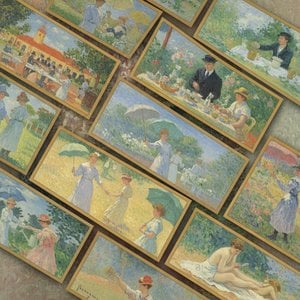
ルノワールの傑作25選🎨 印象派の光と色彩が輝く世界へ。絵画の背景、技法、そして時代を超えて愛される理由を紐解きます。WahooArtで高品質な複製画やインテリアアートを見つけ、お部屋に芸術的な彩りを✨ Explore the full collection online!

ポール・セザンヌの至高の25選。ポスト印象派を代表する画家、セザンヌの傑作と革新的な技法を紐解きます。WahooArtで高品質な複製画やインテリアアートを見つけ、芸術の世界をご自宅に。今すぐコレクションをご覧ください。

Journey into the heart of Impressionism! Explore 10 masterpieces by Monet, Renoir & Degas that revolutionized landscape art. Discover their stories, techniques & find museum-quality reproductions to elevate your home decor on WahooArt.com.

Explore the rich history of landscape art with WahooArt. Discover renowned artists, movements like Impressionism & Romanticism, and expert guidance for collecting timeless pieces. Find your perfect serene escape today!

Explore the rich history of landscape art with WahooArt. Discover renowned artists, movements like Impressionism & tonalism, and expert guidance for collecting timeless pieces. Find your perfect serene escape today!


最新の美術ニュース、限定オファー、そしてインテリアのアイデアをいち早くお届けします。
お客様のプロジェクトについてお聞かせください。当社の美術専門家が、お客様に合わせた3つのパーソナライズされた芸術提案をご提供いたします。
あなたにぴったりの3作品を無料で厳選いたします


 プレビュー
プレビュー
 シェアする
シェアする シェアする
シェアする
 詳細を見る
詳細を見る

 ダウンロード
 似ている作品
 X線調査
X線調査 スライドショー
 詳細を見る
詳細を見る









 ガラスオプションは、110cm未満のサイズでのみご利用いただけます。


