オンラインプレビューをはるかに凌ぐ、高解像度で鮮明なデジタル画像をご購入いただけます。
各ファイルは、社内の専門家が高度なツールと熟練した手作業によるレタッチを用いて、細心の注意を払って準備されています。すべての画像において、卓越した鮮明度、正確な色彩再現性、そして繊細なディテールを保証いたします。
最終ファイルは、プロフェッショナルな編集・印刷環境ですぐにご利用いただけるよう最適化された状態で、72時間以内にメールにてお届けいたします。これは、一流のデザインスタジオ、出版社、ギャラリーから信頼されているものと同等の品質です。
個人での鑑賞、印刷、クリエイティブなプロジェクト用に、高解像度ファイルをダウンロードできます。 ( プリント版に切り替え 手描きの絵画を購入)
WahooArt.com を選ぶことは、単に画像を手に入れることではありません。それは、プロの手によって精密に仕上げられ、満足保証が付いた高品質なデジタルアートワークを受け取ることを意味します。ご注文いただいた際に自動的に付随する内容は、以下の通りです:

ご注文から72時間以内に、高解像度のデジタル画像ファイルがメールでお手元に届きます。すぐにそのままご利用いただけます。

お客様の作品は、高度なAIツールと専門家による手作業の編集を組み合わせてプロフェッショナルに最適化されており、細部のディテール、鮮明さ、そして正確な色再現性を最大限に引き出しています。

ファイルを誤って削除したり、紛失してしまったりしましたか?ご安心ください。いつでも無料で再送いたします。

関税や手数料、配送料を気にすることなく、お気に入りのアートワークをすぐにお楽しみいただけます。デジタルダウンロードは常に免税です。

プロ仕様のツールとカラーマネジメント技術を用いることで、デジタル画像が元の色を最大限に忠実に再現することを保証いたします。

ご購入いただいたデジタル画像にご満足いただけない場合は、100日以内であれば、理由を問わず修正または100%の返金対応をさせていただきます。

ご満足いただけない場合は、デジタルファイルを受け取ってから100日以内であれば、理由を問わず全額返金いたします。

3枚購入で10%OFF - 5枚購入で15%OFF - 10枚以上購入で20%OFF。クリエイティブなプロジェクト、ギャラリー、エージェンシーに最適です。
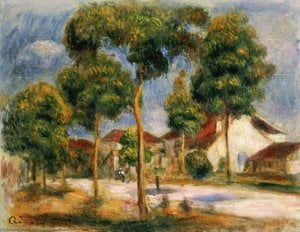
Pierre-Auguste Renoir's *Medlar Trees, Cagnes*, painted in 1908, isn’t merely a depiction of a landscape; it’s an immersion into the heart of Impressionism’s golden age. This oil on canvas transports us to the sun-drenched hillsides of Cagnes-sur-Mer, a charming coastal town near Nice, France – a place that profoundly shaped Renoir's artistic vision in his later years. The painting captures a moment of quiet beauty, a fleeting impression of light and color that embodies the very essence of the Impressionist movement. It’s a scene brimming with warmth, inviting the viewer to step into the dappled shade beneath the medlar trees and lose themselves in the gentle rhythm of Provençal life.
Renoir's masterful brushwork is immediately apparent. He doesn’t strive for photographic realism but instead employs loose, visible strokes—a hallmark of Impressionism—to capture the ephemeral qualities of light and atmosphere. Notice how he uses short, broken color to suggest the texture of bark, the shimmer of leaves in the sunlight, and the hazy distance of the buildings beyond. The composition itself is deceptively simple: a cluster of trees dominates the foreground, framing a glimpse of a building with people strolling beneath them. This deliberate arrangement draws our eye into the scene, creating a sense of depth and inviting us to contemplate the interplay between nature and human activity.
At its core, *Medlar Trees, Cagnes* is a study in light. Renoir was obsessed with capturing the fleeting effects of sunlight on surfaces—the way it dances through foliage, reflects off stone walls, and casts long shadows across the landscape. He achieves this not through meticulous detail but by layering colors and applying paint in rapid, broken strokes. The warm hues – rich greens, ochres, and hints of red – create a vibrant yet harmonious palette that evokes the feeling of a summer afternoon. The artist’s use of *plein air* painting—working directly from nature—is evident in the immediacy and freshness of the colors. He wasn't aiming for perfect representation but rather to convey his subjective experience of the scene, translating it onto canvas with remarkable sensitivity.
Cagnes-sur-Mer held a special significance for Renoir. Seeking respite from the bustling Parisian art world and battling chronic arthritis, he moved to the town in 1907, establishing a studio there that would become his home until his death in 1919. This period marked a significant shift in his artistic focus. He began to paint landscapes with greater frequency, capturing the beauty of the surrounding countryside—olive groves, vineyards, and the azure Mediterranean Sea. *Medlar Trees, Cagnes* is part of a series of paintings he created during these years, reflecting his deep connection to the local environment and his desire to capture its unique character.
Interestingly, Renoir’s later work shows influences beyond pure Impressionism. The vibrant colors and painterly quality of *Medlar Trees, Cagnes* hint at elements of Fauvism—a movement that emphasized bold color and expressive brushwork—while still retaining the core principles of Impressionism. This blending of styles demonstrates Renoir's willingness to experiment and evolve throughout his career, constantly pushing the boundaries of artistic expression.
Renoir’s work stands as a crucial bridge between the Impressionist movement and subsequent developments in modern art. While firmly rooted in the techniques and philosophies of Impressionism—particularly the emphasis on capturing fleeting moments, using broken color, and working *en plein air*—he also incorporated elements from other artistic traditions. His exploration of color, composition, and subject matter paved the way for later artists to further develop these ideas. The painting’s enduring appeal lies in its ability to evoke a sense of nostalgia and tranquility, reminding us of the simple pleasures of life and the beauty of the natural world.
*Medlar Trees, Cagnes* is a testament to Renoir’s mastery of Impressionism and his ability to capture the essence of natural beauty. This painting, along with other works by Renoir, continues to inspire art lovers and artists alike. For those interested in exploring more about Impressionism and Fauvism, visit Fauvism Art Movement on WahooArt.


1841 - 1919 , フランス


 プレビュー
プレビュー
 シェアする
シェアする シェアする
シェアする
 詳細を見る
詳細を見る

 ダウンロード
 似ている作品
 X線調査
X線調査 スライドショー
 統計情報
統計情報

 詳細を見る
詳細を見る