
当社のアーティストが、お客様のご希望のサイズと額縁に合わせて、キャンバスに手描きで制作する油彩画です。 ( プリント版に切り替え デジタル画像販売へ切り替え)





























作品のオリジナル比率に合わせた、当店の規定サイズからお選びください。

特定のフレームやスペースに合わせて、ご希望のサイズをご入力いただけます。選択されたサイズが元の画像の比率と異なる場合、アートワークをトリミングするか、手描きで要素を追加して絵画を拡張いたします。デジタルモックアップ を制作し、制作開始前にご確認(承認)をいただきます。
画面上のプレビューは、実際のトリミングや拡張を正確に反映しているものではありません。最終的な構図は、モックアップによってのみ正確にご確認いただけます。
カスタムサイズもご利用いただけますが、元の比率を維持するためには、あらかじめ用意されたリストからサイズを選択することをお勧めいたします。

Little River
複製画のサイズ
Pierre-Auguste Renoir's "Little River" isn’t merely a depiction of a riverside scene; it’s an immersion into the dappled light and serene atmosphere of a cherished summer afternoon. Painted in 1889, during his most prolific period, this work exemplifies Renoir’s signature Impressionistic style – a deliberate rejection of photographic realism in favor of capturing fleeting moments of sensory experience. The painting vibrates with warmth, inviting the viewer into a world where light and color dance together to evoke a profound sense of peace and contentment. It's a testament to Renoir’s ability to distill the essence of beauty and translate it onto canvas with remarkable grace.
Renoir’s masterful use of color is immediately striking. He employs broken brushstrokes, applying paint in short, vibrant dabs rather than blending them smoothly – a hallmark of the Impressionist movement. The dominant hues are greens and blues, reflecting the lush foliage and the shimmering water, but these aren't static colors; they shift and change depending on the angle of light. Notice how he captures the way sunlight filters through the trees, creating patches of brilliant illumination and deep shadow. The artist’s technique is remarkably loose, prioritizing capturing the *impression* of a scene over precise detail. This deliberate lack of finish contributes significantly to the painting's sense of immediacy and vitality. The layering of colors creates an almost luminous quality, as if the scene itself is radiating warmth.
“Little River” offers a window into the life of a typical Parisian summer day in the late 19th century. The presence of several figures – men and women enjoying themselves by the riverbank – suggests a social gathering, a moment of leisure amidst the bustling city. Renoir frequently depicted scenes of everyday life, particularly those involving women and children, capturing their beauty and vitality with an affectionate gaze. The painting’s setting, likely near Paris, reflects Renoir's own experiences and observations of the urban landscape. He was deeply fascinated by the energy and dynamism of the city, but also sought to find moments of tranquility within it – a pursuit beautifully realized in this work.
Beyond its surface beauty, “Little River” is rich with symbolic meaning. The river itself represents fluidity, change, and the passage of time—themes frequently explored by Renoir. The figures by the water embody joy, connection, and a shared appreciation for the simple pleasures of life. The dappled sunlight evokes feelings of warmth, optimism, and serenity. There’s an undeniable sense of nostalgia woven into the scene, as if capturing a cherished memory or a fleeting moment of idyllic beauty. Renoir's ability to imbue his paintings with such emotional depth is what continues to captivate viewers today. The painting speaks to our innate desire for connection, beauty, and moments of respite from the complexities of modern life.
Art enthusiasts seeking a tangible connection to this iconic masterpiece will find exquisite hand-painted reproductions available at WahooArt.com. These meticulously crafted prints capture the essence of Renoir’s original vision, allowing you to bring the tranquility of “Little River” into your own home or office. The reproduction process carefully replicates the artist's broken brushstrokes and vibrant color palette, ensuring an authentic representation of this beloved Impressionist work. Consider framing it in a style that complements the painting's naturalistic feel – a simple wooden frame would be particularly fitting, allowing the artwork to take center stage.


1841 - 1919 , フランス
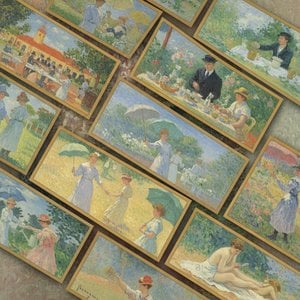
ルノワールの傑作25選🎨 印象派の光と色彩が輝く世界へ。絵画の背景、技法、そして時代を超えて愛される理由を紐解きます。WahooArtで高品質な複製画やインテリアアートを見つけ、お部屋に芸術的な彩りを✨ Explore the full collection online!

Explore the rich history of landscape art with WahooArt. Discover renowned artists, movements like Impressionism & tonalism, and expert guidance for collecting timeless pieces. Find your perfect serene escape today!

Explore the rich history of landscape art with WahooArt. Discover renowned artists, movements like Impressionism & Romanticism, and expert guidance for collecting timeless pieces. Find your perfect serene escape today!

Explore the rich history of rivers in painting! Discover masterpieces from ancient times to Impressionism & beyond. Learn about symbolism, artists like Monet & Daubigny, and find your perfect serene artwork at WahooArt.

Journey into the heart of Impressionism! Explore 10 masterpieces by Monet, Renoir & Degas that revolutionized landscape art. Discover their stories, techniques & find museum-quality reproductions to elevate your home decor on WahooArt.com.


 プレビュー
プレビュー
 シェアする
シェアする シェアする
シェアする
 詳細を見る
詳細を見る ガイド
ガイド

 ダウンロード
 似ている作品
 X線調査
X線調査 スライドショー
 統計情報
統計情報
 詳細を見る
詳細を見る









 ガラスオプションは、110cm未満のサイズでのみご利用いただけます。


