
迅速な制作と多彩な仕上げオプションを備えた、ミュージアムクオリティのジークレーまたはキャンバスプリント。 ( 手描きの絵画を購入 デジタル画像販売へ切り替え)





























作品のオリジナル比率に合わせた、当店の規定サイズからお選びください。

特定のフレームやスペースに合わせて、ご自身でサイズを指定することも可能です。選択されたサイズが元の画像の比率と一致しない場合、作品をトリミングするか、鏡面反射または単色での塗りつぶしによって画像を拡張いたします。制作を開始する前に、ご確認用のデジタルモックアップをお送りいたします。
画面上のプレビューには、実際のトリミングや拡張は反映されませんのでご注意ください。最終的な構図を正確に確認できるのは、モックアップのみとなります。
カスタムサイズも承っておりますが、元の比率を維持するためには、あらかじめ用意されたリストからサイズを選択することをお勧めいたします。

Landscape (13)
複製画のサイズ
Pierre-Auguste Renoir's "Landscape (13)" offers a glimpse into the heart of Impressionism, capturing not just a scene but an atmosphere—a feeling of serene contentment nestled within the French countryside. This painting, though its precise dating remains elusive, embodies the core tenets of Renoir’s artistic philosophy: a celebration of light, color, and the fleeting beauty of everyday life. The composition immediately draws the eye to a gently rolling landscape dominated by trees with an unusual, almost ethereal blue foliage – a detail that hints at a deliberate departure from strict realism and leans heavily into the artist's subjective experience of the scene.
The painting’s strength lies in its masterful use of light. Renoir, deeply influenced by his studies of the Old Masters, particularly the way they captured atmospheric effects, employs broken brushstrokes to create a shimmering quality across the canvas. The dappled sunlight filtering through the trees casts dancing shadows on the grassy areas and the dirt road, suggesting movement and vitality. Notice how he doesn’t attempt to render every leaf or blade of grass with photographic precision; instead, he focuses on conveying the *impression* of these elements – their color, texture, and relationship to light.
A striking element within the composition is the presence of a horse grazing near the center. This isn’t merely a decorative addition; it serves as a powerful symbol of movement and connection within the stillness of the landscape. Horses were frequently depicted in Renoir's work, often representing freedom, vitality, and the pleasures of rural life. The horse’s posture – relaxed yet alert – invites the viewer to imagine themselves part of this idyllic scene, suggesting a harmonious relationship between humanity and nature.
Furthermore, the dirt road itself acts as a visual pathway, drawing the eye into the distance and creating a sense of depth. It subtly implies travel, exploration, and the possibility of encountering new experiences – mirroring the journey of Renoir’s own artistic development from porcelain painting to his celebrated role in Impressionism.
Renoir's technique is quintessential Impressionism: loose, visible brushstrokes applied with a focus on capturing the immediate sensation of light and color. He utilizes a vibrant yet harmonious palette dominated by greens, blues, and browns – colors that evoke the natural world without resorting to rigid representation. The subtle shifts in hue and tone create a sense of atmospheric perspective, making the distant trees appear softer and more muted than those closer to the foreground.
"Landscape (13)" was created during a pivotal period in Renoir's career, as Impressionism gained momentum and established itself as a dominant artistic movement. Following his early apprenticeship, Renoir embraced the freedom of Impressionism, rejecting academic conventions in favor of capturing subjective experiences and fleeting moments. This painting reflects his growing confidence and willingness to experiment with new techniques and approaches.
Renoir’s work profoundly influenced generations of artists, and “Landscape (13)” stands as a testament to his enduring legacy. It's a beautiful example of how he translated the beauty of the natural world onto canvas, inviting viewers to share in his appreciation for light, color, and the simple pleasures of life. A reproduction of this piece offers an accessible way to bring this serene vision into any home or office, capturing the essence of Renoir’s artistic genius.


1841 - 1919 , フランス

ジョン・コンスタブルの傑作25選。英国風景画の巨匠が描く自然と光の詩の世界へ。ロマン主義を代表する絵画、デダム・ヴェールやヘイ・ウェインなど、WahooArtで高品質なアートプリントをお楽しみください。インテリアに深みと感動を。コレクションはこちら。

Immerse yourself in the captivating world of slate blue! Explore 10 iconic paintings by Monet, Van Gogh & Renoir. Discover their stories, techniques & find museum-quality art reproductions for your home at .

ポール・セザンヌの至高の25選。ポスト印象派を代表する画家、セザンヌの傑作と革新的な技法を紐解きます。WahooArtで高品質な複製画やインテリアアートを見つけ、芸術の世界をご自宅に。今すぐコレクションをご覧ください。
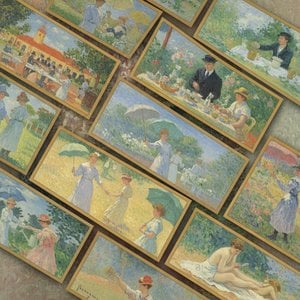
ルノワールの傑作25選🎨 印象派の光と色彩が輝く世界へ。絵画の背景、技法、そして時代を超えて愛される理由を紐解きます。WahooArtで高品質な複製画やインテリアアートを見つけ、お部屋に芸術的な彩りを✨ Explore the full collection online!

Journey into the heart of Impressionism! Explore 10 masterpieces by Monet, Renoir & Degas that revolutionized landscape art. Discover their stories, techniques & find museum-quality reproductions to elevate your home decor on WahooArt.com.


 プレビュー
プレビュー
 シェアする
シェアする シェアする
シェアする
 詳細を見る
詳細を見る

 ダウンロード
 似ている作品
 X線調査
X線調査 スライドショー
 統計情報
統計情報
 詳細を見る
詳細を見る









 ガラスオプションは、110cm未満のサイズでのみご利用いただけます。


