A Glimpse into Childhood’s Realm: Renoir's “Coco”
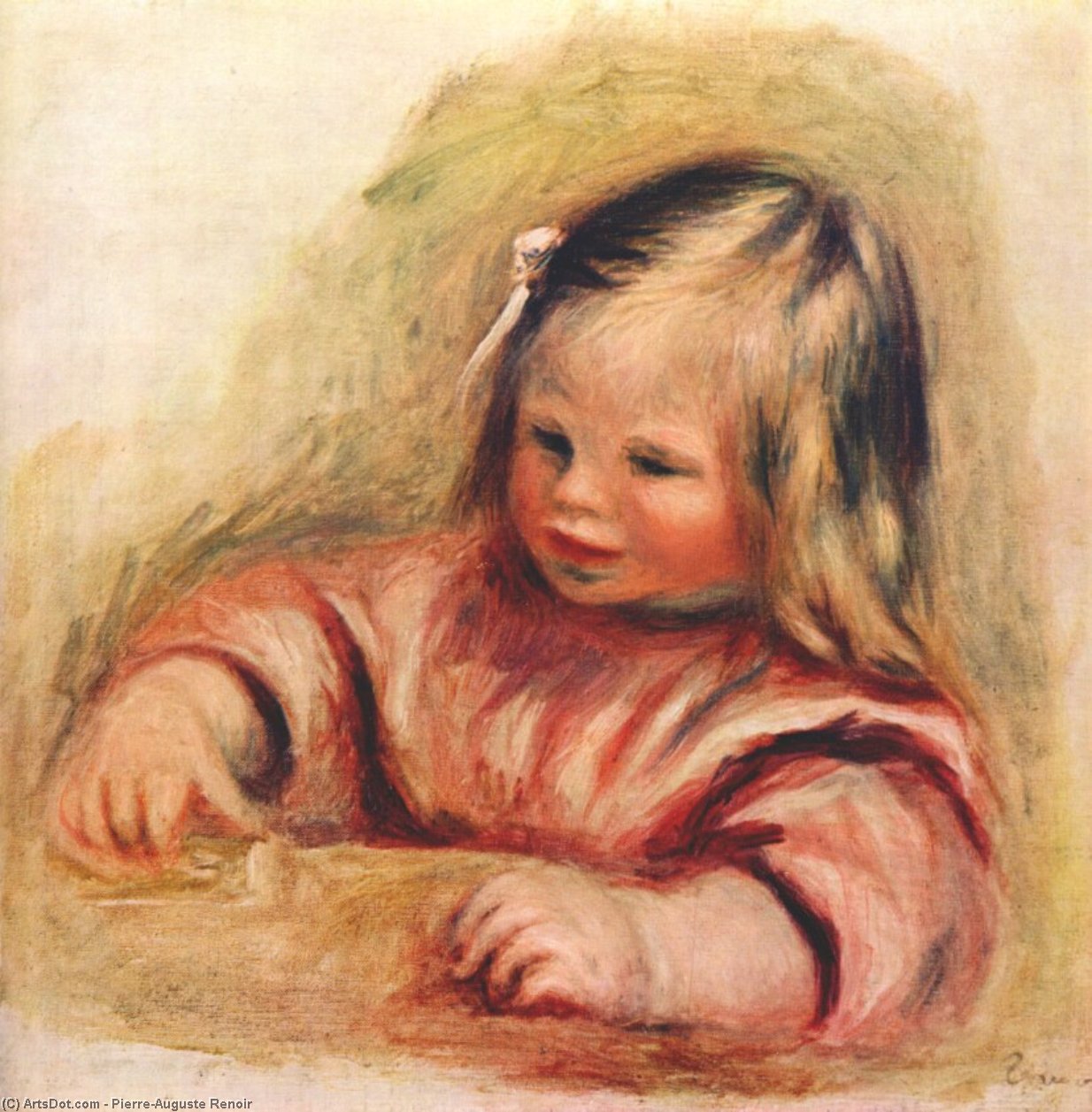
Pierre-Auguste Renoir’s “Coco,” painted in 1904, is more than just a portrait of a young boy; it’s a tender exploration of childhood innocence and the quiet moments that define early life. The painting depicts Claude Renoir – affectionately nicknamed “Coco” – lost in his own world, hands clasped before him as if contemplating a hidden treasure or engaging in a silent game. This intimate scene, rendered with Renoir's signature Impressionistic touch, invites viewers into a space of gentle contemplation and nostalgic warmth. The soft lighting and muted color palette contribute to an atmosphere of peaceful domesticity, characteristic of Renoir’s later works where he increasingly focused on portraying the joys of family life.
Impressionism’s Enduring Legacy
By 1904, Renoir had already established himself as a pivotal figure in the Impressionist movement. However, “Coco” reflects a shift in his artistic approach, moving away from the plein air landscapes and bustling scenes of Parisian life that defined his earlier career. While still employing the broken brushstrokes and emphasis on light central to Impressionism, he began to prioritize form and structure, seeking a more classical balance within his compositions. This is evident in the careful rendering of Coco’s features and the subtle modeling of his clothing. The painting isn't about capturing a fleeting moment outdoors; it’s about preserving an internal state – the focused curiosity of a child. The bow adorning Coco’s head, and the presence of a book nearby, hint at a life being shaped by learning and gentle guidance.
A Personal Portrait: Fatherhood and Artistic Expression
The story behind “Coco” adds another layer of emotional resonance to the artwork. Claude Renoir was the artist's youngest son, born when Renoir was in his sixties. Following the death of his wife Aline in 1915, Renoir found solace and renewed purpose in his relationship with Coco, who became a frequent subject for his paintings. This deeply personal connection is palpable in the tenderness with which Coco is portrayed. The painting isn’t simply an artistic exercise; it's a loving tribute to fatherhood and a poignant expression of familial affection. It speaks to Renoir’s desire to capture not just physical likeness, but also the essence of his son’s personality – his quiet thoughtfulness and inherent sweetness.
Symbolism and Emotional Impact
The symbolism within “Coco” is subtle yet profound. The downward gaze suggests introspection and a world unfolding within the child's imagination. The soft light enveloping Coco symbolizes protection and nurturing, while the muted colors evoke a sense of tranquility and peace. Renoir masterfully uses these elements to create an emotional connection with the viewer, inviting us to reflect on our own childhood memories and the universal experience of innocence. “Coco” is not merely a beautiful painting; it’s a powerful reminder of the fleeting nature of youth and the enduring importance of family bonds. It's a work that resonates deeply because it taps into something fundamentally human – the longing for simpler times and the joy found in observing the wonder of childhood.



 プレビュー
プレビュー
 手描きの絵画を購入
 シェアする
シェアする シェアする
シェアする
 詳細を見る
詳細を見る

 ダウンロード
 似ている作品
 X線調査
X線調査 スライドショー

 詳細を見る
詳細を見る






































 ガラスオプションは、110cm未満のサイズでのみご利用いただけます。