
迅速な制作と多彩な仕上げオプションを備えた、ミュージアムクオリティのジークレーまたはキャンバスプリント。 ( 手描きの絵画を購入 デジタル画像販売へ切り替え)





























作品のオリジナル比率に合わせた、当店の規定サイズからお選びください。

特定のフレームやスペースに合わせて、ご自身でサイズを指定することも可能です。選択されたサイズが元の画像の比率と一致しない場合、作品をトリミングするか、鏡面反射または単色での塗りつぶしによって画像を拡張いたします。制作を開始する前に、ご確認用のデジタルモックアップをお送りいたします。
画面上のプレビューには、実際のトリミングや拡張は反映されませんのでご注意ください。最終的な構図を正確に確認できるのは、モックアップのみとなります。
カスタムサイズも承っておりますが、元の比率を維持するためには、あらかじめ用意されたリストからサイズを選択することをお勧めいたします。

Breton Landscape
複製画のサイズ
Pierre-Auguste Renoir's “Breton Landscape,” painted in 1893, stands as a quintessential embodiment of Impressionism—a movement that irrevocably altered the course of art history by prioritizing fleeting moments of perception over meticulous detail. More than just a depiction of scenery, this canvas is an invitation to immerse oneself in the serene beauty of rural Brittany and experience Renoir’s masterful manipulation of color and light.
The painting presents a hillside vista bathed in dappled sunlight. Renoir skillfully arranges elements—trees, rocks, and foliage—to create a dynamic composition that draws the viewer’s eye across the canvas. The juxtaposition of verdant greenery against rugged granite boulders generates visual interest and reinforces the landscape's textural richness. Notice how Renoir utilizes aerial perspective, subtly blurring distant objects to convey depth and atmospheric haze – techniques honed during his meticulous study of Monet and Sisley.
Renoir’s distinctive Impressionist style is immediately recognizable through his loose, expressive brushstrokes. Rather than striving for photographic accuracy, he prioritizes capturing the sensation of light—the way it dances across surfaces and transforms colors—creating an impression of movement and immediacy. The artist employs a palette dominated by muted greens, blues, and yellows, blending pigments directly onto the canvas to achieve vibrant hues that shimmer with luminosity. These visible brushstrokes are not merely decorative; they convey Renoir’s emotional response to the landscape, reflecting his belief in art's ability to evoke feeling.
“Breton Landscape” emerged during a pivotal moment in artistic history—the zenith of Impressionism. Artists like Claude Monet and Camille Pissarro were pioneering new approaches to painting outdoors, rejecting academic conventions and embracing the spontaneity of observation. Renoir’s work reflects the broader cultural shift toward valuing subjective experience and capturing the beauty of everyday life. The painting captures the spirit of Brittany in 1893—a region celebrated for its unspoiled landscapes and pastoral traditions.
Beyond its aesthetic qualities, “Breton Landscape” speaks to deeper themes of tranquility and connection with nature. The hillside setting symbolizes resilience and permanence amidst the ephemeral beauty of summer’s day—a visual metaphor for Renoir's own artistic vision. The painting invites contemplation and offers a respite from the pressures of urban life, reminding us of the restorative power of natural surroundings. Its enduring appeal lies in its ability to transport viewers back to a time when art sought not merely to represent reality but to capture its emotional essence.


1841 - 1919 , フランス

ポール・セザンヌの至高の25選。ポスト印象派を代表する画家、セザンヌの傑作と革新的な技法を紐解きます。WahooArtで高品質な複製画やインテリアアートを見つけ、芸術の世界をご自宅に。今すぐコレクションをご覧ください。

Journey into the heart of Impressionism! Explore 10 masterpieces by Monet, Renoir & Degas that revolutionized landscape art. Discover their stories, techniques & find museum-quality reproductions to elevate your home decor on WahooArt.com.

Explore the rich history of landscape art with WahooArt. Discover renowned artists, movements like Impressionism & tonalism, and expert guidance for collecting timeless pieces. Find your perfect serene escape today!
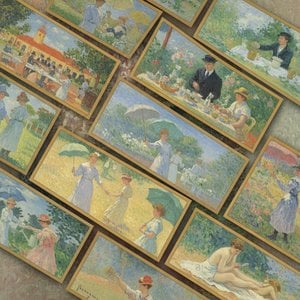
ルノワールの傑作25選🎨 印象派の光と色彩が輝く世界へ。絵画の背景、技法、そして時代を超えて愛される理由を紐解きます。WahooArtで高品質な複製画やインテリアアートを見つけ、お部屋に芸術的な彩りを✨ Explore the full collection online!

Explore the rich history of landscape art with WahooArt. Discover renowned artists, movements like Impressionism & Romanticism, and expert guidance for collecting timeless pieces. Find your perfect serene escape today!


 プレビュー
プレビュー
 シェアする
シェアする シェアする
シェアする
 詳細を見る
詳細を見る

 ダウンロード
 似ている作品
 X線調査
X線調査 スライドショー
 統計情報
統計情報

 詳細を見る
詳細を見る









 ガラスオプションは、110cm未満のサイズでのみご利用いただけます。


