
x































作品のオリジナル比率に合わせた、当店の規定サイズからお選びください。

特定のフレームやスペースに合わせて、ご希望のサイズをご入力いただけます。選択されたサイズが元の画像の比率と異なる場合、アートワークをトリミングするか、手描きで要素を追加して絵画を拡張いたします。デジタルモックアップ を制作し、制作開始前にご確認(承認)をいただきます。
画面上のプレビューは、実際のトリミングや拡張を正確に反映しているものではありません。最終的な構図は、モックアップによってのみ正確にご確認いただけます。
カスタムサイズもご利用いただけますが、元の比率を維持するためには、あらかじめ用意されたリストからサイズを選択することをお勧めいたします。

Tin can „CACAO SUCHARD“
複製画のサイズ

In the annals of industrial history, few names evoke as much sensory nostalgia as Philippe Suchard. While many remember him through the lens of a global confectionery empire, his true essence lies in the spirit of a pioneer who saw potential where others saw only raw ingredients. Born in 1797 in the serene Swiss village of Boudry, Suchard was the son of an innkeeper, a background that likely instilled in him an early appreciation for hospitality and the delicate art of pleasing the palate. His journey did not begin with grand machinery, but with the humble, rhythmic precision of an apprentice. Alongside his brother Frédéric, he immersed himself in the confectionery traditions of Bern, learning the meticulous discipline required to transform sugar and cocoa into something transcendent. This formative period was less about commerce and more about a deep, tactile understanding of texture and flavor—a foundation upon which he would later build a revolution.
The trajectory of Suchard’s life was marked by an adventurous soul that refused to be confined by borders. In 1824, driven by a restless curiosity, he ventured across the Atlantic to the United States. Though his brief foray into trading Swiss watches and cheese in the New World did not lead to permanent settlement, it served as a vital catalyst for his creative evolution. He returned to Switzerland not merely with stories, but with a broadened perspective on global trade and the possibilities of mass-market innovation. By 1825, he had established himself in Neuchâtel, and by 1826, the seeds of an industrial legend were sown with the founding of his first chocolate factory in Serrières. It was here that Suchard began to bridge the gap between the artisanal workshop and the modern factory, utilizing the natural power of the Rhône River’s hydropower to drive his ambitions.
What truly distinguished Philippe Suchard from his contemporaries was his ability to marry mechanical ingenuity with culinary artistry. He recognized that the true barrier to chocolate's popularity was its cost; in the early 19th century, a mere tablet could command a price equivalent to several days of labor. To democratize luxury, he turned to technology. His most profound contribution to the craft was the development of the melanger—a sophisticated grinding mill featuring heated granite plates and rotating rollers. This invention allowed for a much finer, smoother consistency in cocoa paste, fundamentally altering the texture of chocolate and making it more palatable to a wider audience. This was not merely an engineering feat; it was a sensory revolution that transformed chocolate from a gritty, expensive medicinal luxury into a smooth, accessible delight.
The success of his endeavors was punctuated by moments of profound historical recognition. The mid-19th century brought waves of validation that propelled the Suchard name onto the international stage. A pivotal turning point occurred in 1842, when he secured a significant bulk order from Frederick William IV, the King of Prussia and Prince of Neuchâtel. This royal endorsement acted as a herald for his growing influence. Soon after, his creations captured the imagination of the world at the prestigious London Great Exhibition of 1851 and the Paris Universal Exposition of 1855. These exhibitions were the grand theaters of the Industrial Revolution, and within their halls, Suchard’s work stood as a testament to Swiss precision and the burgeoning power of industrial entrepreneurship.
The legacy of Philippe Suchard extends far beyond the closure of his original factory in 1996; it lives on in the very fabric of modern chocolate consumption. While he laid the groundwork, the subsequent generations of his family—including his son Philippe and his son-in-law Carl Russ—continued to push the boundaries of what was possible. It was under this lineage that the iconic Milka brand was born, characterized by its distinctive purple packaging and the symbolic Simmental cow, representing a seamless integration of Swiss dairy excellence with chocolate production. Suchard’s life work represents a rare harmony between the old world of handcrafted confectionery and the new world of mechanized efficiency.
Reflecting on his historical significance, one finds a man who was much more than a chocolatier; he was an architect of taste. His ability to leverage renewable energy through hydropower, his commitment to refining texture through the melanger, and his vision for making luxury affordable all contribute to a narrative of progress. He remains a monumental figure in Swiss history, embodying the transition from local craftsmanship to global industrial leadership. Through his relentless pursuit of perfection, Philippe Suchard ensured that the sweetness he pioneered would endure, leaving an indelible mark on the hearts and palates of generations to come.
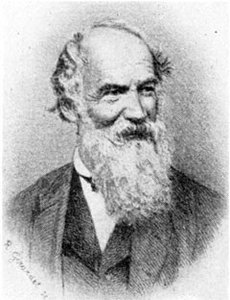
1797 - 1884 , Switzerland
Explore the profound intersection of industry and artistry. Discover museum-quality reproductions of Machine Age masterpieces by Léger and Rivera, curated for elite collectors seeking to infuse luxury interiors with the powerful, geometric soul of industrial progress.

Master the 'Industrial Luxe' trend. Discover how to seamlessly blend raw architectural textures with refined, painterly depth to elevate modern luxury interiors. Essential trend forecasting and curation strategies for freelance decorators and design professionals.

Explore the profound impact of Constructivism on modern art. Discover how geometric abstraction and industrial aesthetics revolutionized design, from avant-garde textiles to architectural mastery, curated for the discerning art collector seeking depth and historical significance.


最新の美術ニュース、限定オファー、そしてインテリアのアイデアをいち早くお届けします。
お客様のプロジェクトについてお聞かせください。当社の美術専門家が、お客様に合わせた3つのパーソナライズされた芸術提案をご提供いたします。
あなたにぴったりの3作品を無料で厳選いたします


 プレビュー
プレビュー
 プリントを購入
 シェアする
シェアする シェアする
シェアする
 詳細を見る
詳細を見る

 ダウンロード
 似ている作品
 X線調査
X線調査 スライドショー


 詳細を見る
詳細を見る









 ガラスオプションは、110cm未満のサイズでのみご利用いただけます。


