

 Oil On CanvasWallArtBaroque
 1662Early Modern
 165.0 x 229.0 cm
 ルーブル美術館
スピーディーな制作と多彩な仕上げオプションが魅力の、ミュージアムクオリティなジークレー・キャンバスプリント。 ( 手描きの複製画を注文する デジタル画像販売へ切り替え)
作品のオリジナル比率に合わせた、当店の規定サイズからお選びください。

額縁や壁のスペースに合わせて、ご希望の幅と高さを入力してください。プリントはカットすることは可能ですが、元の画像より大きくすることはできないため、異なる比率のサイズを選択された場合は、画像の一部が欠けることになります。印刷を開始する前に、内容を確認していただくためのデジタルモックアップをお送りいたします。このページに表示されている画像は、実際のカット後の状態を示すものではありません。実際の仕上がりはモックアップにてご確認ください。
Ex Voto
複製画サイズ一覧
In the hallowed halls of the Musée du Louvre, there exists a window into the profound spiritual intimacy of the seventeenth century. Philippe De Champaigne’s Ex Voto, painted in 1662, is not merely an oil on canvas; it is a silent prayer rendered in pigment. The masterpiece captures a moment of quietude, featuring two religious figures—likely nuns—suspended in a state of deep contemplation. One figure stands with hands clasped in fervent prayer, while the other sits in reflective repose, their presence anchored by the heavy, dignified folds of their dark robes. Through the masterful application of chiaroscuro, De Champaigne breathes life into the stillness, using the interplay of light and shadow to sculpt the figures from the darkness, creating a sense of depth that draws the viewer into their private, holy communion.
The technical brilliance of this work lies in its ability to marry the realism of the Baroque period with an ethereal, almost otherworldly serenity. De Champaigne, a master who studied under the great Nicolas Poussin, utilizes a controlled palette and precise draftsmanship to render the textures of cloth and the subtle modeling of skin. The lighting is soft yet purposeful, casting gentle shadows that emphasize the solemnity of the scene. This technique, reminiscent of the dramatic Tenebrism found in the works of Caravaggio, serves to heighten the emotional weight of the composition. For the collector or interior designer, this painting offers a profound sense of gravity and peace, making it an ideal centerpiece for spaces designed for reflection, study, or sophisticated classical elegance.
Beyond its aesthetic splendor, Ex Voto is steeped in the religious symbolism of the French Baroque era. The very title suggests a "votive" offering—an object left in a sacred place as a gesture of gratitude or a plea for divine intervention. This connection to faith and healing is explicitly whispered through the Latin inscriptions at the base of the work, where terms such as "Christus" and "Medicina" appear. These words transform the painting from a mere portrait into a functional piece of spiritual devotion, linking the earthly suffering of humanity to the divine healing power of Christ. The visible crosses on the figures' garments further solidify their identity as vessels of faith, acting as anchors for the viewer’s own meditative journey.
The composition is intentionally uncluttered, stripping away the distractions of the material world to focus entirely on the internal landscape of the soul. This minimalist approach to the background—hinting at architectural details of a convent or chapel without overwhelming the subjects—allows the emotional intensity of the figures to resonate more powerfully. For those seeking to bring the essence of history into a modern home, a high-quality reproduction of this piece provides more than just decoration; it introduces an atmosphere of timelessness and spiritual depth. It is an invitation to pause, to breathe, and to find beauty in the quiet, enduring strength of devotion.
フィリップ・ド・シャンパーニュ作「Ex Voto」は、EarthyなパレットとSpiritualなトーンを兼ね備えています。
「Ex Voto」はフィリップ・ド・シャンパーニュの作品とされています。
「Ex Voto」の注目度はRecognizedに分類されます。


1602 - 1674 , オランダ

Embark on a profound journey through art history with our exploration of spiritual artworks. Discover the deep symbolism, emotional resonance, and transcendent power found in sacred Renaissance, Baroque, and Nabis masterpieces curated for the true classical art enthusiast.

Embark on a sophisticated journey through Italian Baroque art. Discover the dramatic interplay of light and emotion in Caravaggio’s masterpieces and explore how to bring this timeless grandeur into your collection with expert art insights.
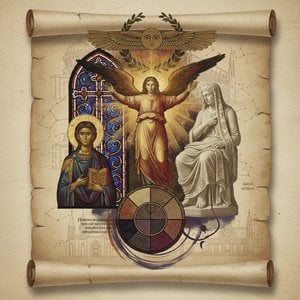
Explore the profound impact of spiritual themes in fine art. From Renaissance iconography to Baroque drama, discover how sacred symbolism and divine visions have shaped art history through a scholarly and reflective lens.

 設置イメージを確認
 送る
送る シェア
シェア
 詳細情報
詳細情報 ガイドを表示

 画像をダウンロード
 似ている作品
 X線調査
X線調査 スライドショー
 統計情報
統計情報 続きを読む
続きを読む






































 ガラスオプションは、110cm未満のサイズでのみご利用いただけます。


