


スピーディーな制作と多彩な仕上げオプションが魅力の、ミュージアムクオリティなジークレー・キャンバスプリント。 ( 手描き複製画を注文する デジタル画像販売へ切り替え)





























作品のオリジナル比率に合わせた、当店の規定サイズからお選びください。

額縁や壁のスペースに合わせて、ご希望の幅と高さを入力してください。プリントはカットすることは可能ですが、元の画像より大きくすることはできないため、異なる比率のサイズを選択された場合は、画像の一部が欠けることになります。印刷を開始する前に、内容を確認していただくためのデジタルモックアップをお送りいたします。このページに表示されている画像は、実際のカット後の状態を示すものではありません。実際の仕上がりはモックアップにてご確認ください。
The Lamentation
複製画サイズ一覧
In the quiet corridors of the Metropolitan Museum of Art, there exists a small, intimate window into the profound depths of human sorrow and spiritual devotion. The Lamentation, a masterpiece by the Early Netherlandish master Petrus Christus, is far more than a mere depiction of a biblical event; it is a visceral meditation on grief that has resonated through the centuries. Painted around 1450, this tempera on panel work captures the heavy, breathless moment following the crucifixion, where the weight of loss meets the hope of divine compassion. For the discerning collector or lover of Renaissance art, this piece offers an unparalleled opportunity to possess a fragment of the Northern Renaissance's most tender emotional landscape.
The composition is deceptively simple yet intellectually dense. At its heart lies the broken body of Jesus Christ, resting upon a cloth that bears the unmistakable marks of his passion. Surrounding him, a small group of mourners is gathered in a tight, intimate circle, their faces etched with a realism that transcends the boundaries of time. The artist’s ability to capture the subtle nuances of mourning—the slumped shoulders, the downcast eyes, and the heavy stillness of the air—creates an atmosphere so palpable that the viewer feels less like an observer and more like a silent participant in this sacred vigil.
Emerging from the vibrant artistic hub of Bruges, Petrus Christus was a successor to the legendary Jan van Eyck, yet he brought a unique, revolutionary clarity to the medium. In The Lamentation, we witness his brilliant command of linear perspective, a technique that allows the viewer to peer through the foreground scene into a meticulously rendered outdoor setting. This spatial depth creates an illusionistic window, pulling the eye past the central tragedy toward a distant landscape where trees and a fortress-like structure stand under a somber sky. This mastery of space provides a sense of cosmic scale to the intimate human drama unfolding in the foreground.
The color palette is a masterclass in color harmony and emotional restraint. Christus avoids garish hues, opting instead for a sophisticated arrangement of earthy tones—deep ochres, rich umbers, and muted crimsons. These colors do not merely decorate the scene; they anchor it in a sense of gravity and solemnity. The strategic use of red accents on the garments of certain figures serves as a visual heartbeat within the composition, drawing attention to the importance of specific mourners while simultaneously symbolizing the blood of the sacrifice. For those looking to integrate such a piece into a curated interior, its subdued palette offers a sophisticated anchor that complements both classical and contemporary decor.
Every element within this small panel is imbued with profound symbolic meaning, designed to guide the viewer toward contemplatio—a state of deep, prayerful meditation. The presence of a skull near the central figure serves as a stark memento mori, a reminder of mortality that balances the divine significance of the scene with the harsh reality of human existence. This interplay between the temporal and the eternal is what gives the work its enduring power. The meticulous detail in the textures—the heavy folds of medieval robes, the grain of the wood, and the soft light hitting the skin—serves to ground these high theological concepts in a tangible, recognizable world.
To bring a hand-painted reproduction of The Lamentation into one's home is to invite a conversation about empathy, history, and the resilience of the human spirit. It is an ideal selection for interior designers seeking to add a layer of intellectual depth and emotional resonance to a space, or for collectors who value the meticulous craftsmanship of the Flemish tradition. This artwork does not merely decorate a wall; it commands a moment of reflection, offering a timeless sanctuary of beauty amidst the chaos of the modern world.
「The Lamentation」は、ベルギー出身のペトルス・クリストゥスによって、Northern Renaissanceの潮流の中で制作されました。アーティストの出自は、この作品をベルギーの作家たちが実践したNorthern Renaissanceへと結びつけています。
ペトルス・クリストゥス作「The Lamentation」のデジタルイメージは、こちらの高解像度デジタル画像ページにてご購入いただけます:高解像度デジタル画像のダウンロード
ペトルス・クリストゥス作「The Lamentation」はAccentに最適で、Living Roomに飾るのが特におすすめです。用途と空間の組み合わせによって、複製画を飾るのにふさわしい場所をご提案します。

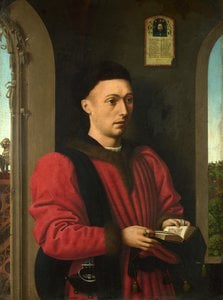
1465 - 1476 , ベルギー
Discover the unparalleled elegance of WahooArt’s premium hand-painted oil reproductions. From bespoke portraits to museum-quality masterpieces, our expert artists transform visions into timeless legacies with 100% satisfaction guaranteed. Elevate your collection with true artistry.
 設置イメージを表示
 シェアする
シェアする シェアする
シェアする
 詳細を見る
詳細を見る ガイドを表示

 ダウンロード
 似ている作品
 X線調査
X線調査 スライドショーを表示
 Q&A
Q&A
 統計情報
統計情報


 詳細を表示
詳細を表示









 ガラスオプションは、110cm未満のサイズでのみご利用いただけます。


