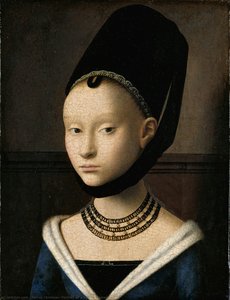
Oil On CanvasWallArtEarly Netherlandish Painting
 1450Renaissance
 14.0 x 19.0 cm
 シュテデル美術館
当社のアーティストが、お客様のご希望のサイズと額縁に合わせて、キャンバスに手描きで制作する油彩画です。 ( プリント版に切り替え デジタル画像販売へ切り替え)





























作品のオリジナル比率に合わせた、当店の規定サイズからお選びください。

特定のフレームやスペースに合わせて、ご希望のサイズをご入力いただけます。選択されたサイズが元の画像の比率と異なる場合、アートワークをトリミングするか、手描きで要素を追加して絵画を拡張いたします。デジタルモックアップ を制作し、制作開始前にご確認(承認)をいただきます。
画面上のプレビューは、実際のトリミングや拡張を正確に反映しているものではありません。最終的な構図は、モックアップによってのみ正確にご確認いただけます。
カスタムサイズもご利用いただけますが、元の比率を維持するためには、あらかじめ用意されたリストからサイズを選択することをお勧めいたします。

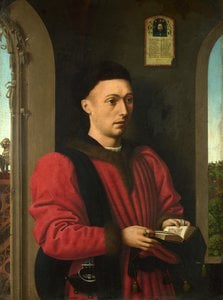
The Falconer
複製画サイズ一覧
Petrus Christus's “The Falconer,” painted around 1450, is more than just a depiction of a man with a falcon; it’s a meticulously crafted window into the burgeoning artistic landscape of Bruges during the early 15th century. Measuring a modest 14 x 19 cm, this intimate painting reveals the remarkable skill and observational acuity of its creator, a young master emerging from the workshops of the era's most celebrated painters.
The subject himself – a falconer – immediately evokes associations with nobility and status. The man’s attire, a richly textured robe, speaks to his position, while the bird itself, perched confidently on his arm, is a symbol of both skill and dominion. Christus's handling of this seemingly simple scene demonstrates an extraordinary attention to detail. The falcon’s feathers are rendered with astonishing realism, capturing the texture and movement of its plumage – a hallmark of the Flemish school’s pioneering use of oil paint, allowing for nuanced shading and luminous effects that were revolutionary at the time.
Christus was a key figure in the transition from the more stylized approaches of earlier Gothic painting to the burgeoning realism championed by artists like Jan van Eyck. His use of oil paint, though still relatively new, is evident in the subtle gradations of light and shadow that define the man’s face and clothing. The artist's meticulous attention to detail – the folds of the robe, the texture of the fur hat, the precise rendering of the falcon’s eye – demonstrates a deep understanding of human anatomy and animal form. This level of realism was not merely decorative; it reflected a growing intellectual interest in observing and accurately representing the world around him.
The painting's scale further contributes to its impact. Its small size invites close scrutiny, encouraging the viewer to appreciate the artist’s painstaking work and the intricate details that he has brought to life. The composition is balanced and harmonious, drawing the eye naturally from the falconer’s face to the bird itself, creating a sense of quiet contemplation.
"The Falconer" was created in Bruges, a thriving center of commerce and art during this period. Bruges was experiencing a cultural renaissance fueled by wealthy merchants and guilds who commissioned ambitious works of art. The falcon itself held symbolic significance – representing courage, nobility, and the ability to soar above earthly concerns. Christus’s work reflects the humanist values emerging at the time, emphasizing observation, reason, and an appreciation for beauty.
Painted in 1450, this artwork represents a pivotal moment in art history, bridging the gap between medieval artistic conventions and the burgeoning ideals of the Renaissance. Its creation marks the rise of a new generation of Flemish artists who would shape the course of European painting for centuries to come.

1465 - 1476 , ベルギー

Discover the distinction between WahooArt's hand-painted oil masterpieces and archival Giclée prints. An expert guide for elite collectors evaluating texture, longevity, and bespoke customization for their private art collections.

Master the nuances of Giclée printing with our expert guide. Discover how pigment-based inks and museum-grade substrates create fade-resistant, high-fidelity art reproductions designed for discerning collectors seeking unparalleled quality and longevity.
Discover the distinction between WahooArt's hand-painted oil reproductions and archival Giclée prints. An expert guide for elite collectors seeking texture, depth, and museum-quality excellence for their private collections.

Unlock your creative potential with WahooArt. Learn how to scale your art business through our automated print and premium oil reproduction services, transforming your original works into a global, passive income stream without compromising academic excellence.

 設置イメージを確認
 送る
送る シェア
シェア
 詳細情報
詳細情報 ガイドを表示

 画像をダウンロード
 似ている作品
 X線調査
X線調査 スライドショー
 統計情報
統計情報 続きを読む
続きを読む









 ガラスオプションは、110cm未満のサイズでのみご利用いただけます。