アート相談を無料で

x
プリントを購入 プリントを購入手描き複製画を注文する 手描き複製画を注文する シェアするシェアする
詳細を見る詳細を見る お気に入りに追加 お気に入りに追加 ダウンロードダウンロード 似ている作品似ている作品 X線調査X線調査 スライドショースライドショー

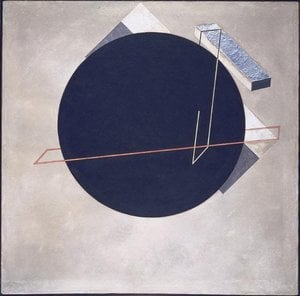
Sawing

Peter Laszlo Peri (László Weisz) was a Hungarian-born British sculptor and artist pivotal to Constructivism & shaped canvas movement, known for collaborations with Moholy-Nagy & exploring concrete sculpture.

オンラインプレビューをはるかに凌ぐ、高解像度で鮮明なデジタル画像をご購入いただけます。

各ファイルは、社内の専門家が高度なツールと熟練した手作業によるレタッチを用いて、細心の注意を払って準備されています。すべての画像において、卓越した鮮明度、正確な色彩再現性、そして繊細なディテールを保証いたします。

最終ファイルは、プロフェッショナルな編集・印刷環境ですぐにご利用いただけるよう最適化された状態で、72時間以内にメールにてお届けいたします。これは、一流のデザインスタジオ、出版社、ギャラリーから信頼されているものと同等の品質です。

デジタルアート

個人での鑑賞、印刷、クリエイティブなプロジェクト用に、高解像度ファイルをダウンロードできます。

最終合計金額

$9.99

デジタル画像のご注文に付随する特典

高品質なデジタル画像配信を、確かな品質で。

WahooArt.com を選ぶことは、単に画像を手に入れることではありません。それは、プロの手によって精密に仕上げられ、満足保証が付いた高品質なデジタルアートワークを受け取ることを意味します。ご注文いただいた際に自動的に付随する内容は、以下の通りです:

shipping_icon
メールですぐにお届け

ご注文から72時間以内に、高解像度のデジタル画像ファイルがメールでお手元に届きます。すぐにそのままご利用いただけます。

canvas_icon
AI技術で最適化されたデジタルファイル

お客様の作品は、高度なAIツールと専門家による手作業の編集を組み合わせてプロフェッショナルに最適化されており、細部のディテール、鮮明さ、そして正確な色再現性を最大限に引き出しています。

insurance_icon
一生涯無料の再送サービス

ファイルを誤って削除したり、紛失してしまったりしましたか?ご安心ください。いつでも無料で再送いたします。

tax_icon
輸入手数料は一切かかりません

関税や手数料、配送料を気にすることなく、お気に入りのアートワークをすぐにお楽しみいただけます。デジタルダウンロードは常に免税です。

color_icon
色彩再現の保証

プロ仕様のツールとカラーマネジメント技術を用いることで、デジタル画像が元の色を最大限に忠実に再現することを保証いたします。

return_icon
60日間満足保証

ご購入いただいたデジタル画像にご満足いただけない場合は、60日以内であれば、修正または100%の返金(理由を問う必要はありません)をさせていただきます。

guarantee_icon
100% 返金保証

ご満足いただけない場合は、デジタルファイルを受け取ってから60日以内であれば、理由を問わず全額返金いたします。

discount_icon
まとめ買い割引

3枚購入で10%OFF - 5枚購入で15%OFF - 10枚以上購入で20%OFF。クリエイティブなプロジェクト、ギャラリー、エージェンシーに最適です。

関連作品


作家の略歴

A Life Forged in Constructivism: The Journey of Peter Laszlo Peri

Peter Laszlo Peri, born László Weisz in Budapest in 1899, was an artist whose life mirrored the tumultuous currents of the twentieth century. His journey, spanning Hungary, Germany, and finally England, wasn’t merely a geographical relocation but a profound evolution within the heart of avant-garde art. Emerging from a politically aware, working-class Jewish family, Peri's early experiences instilled in him a deep social consciousness that would permeate his artistic practice. Initially drawn to fine art and architecture, he quickly gravitated towards abstraction, a decision catalyzed by the political upheaval engulfing Hungary after World War I. This period of unrest wasn’t simply a backdrop; it fundamentally shaped his commitment to art as a vehicle for social engagement—a principle he carried throughout his life. The adoption of “Péri” as a family name, and later the various iterations of his artistic moniker – Laszlo Péri, Peter Peri – reflect this constant negotiation with identity and belonging amidst shifting political landscapes.

Berlin: A Crucible of Innovation

The year 1920 marked a pivotal moment when Peri settled in Berlin, a city pulsating with avant-garde energy. It was here that he truly blossomed as an artist, creating his first abstract geometric reliefs and establishing himself as a central figure within the burgeoning Constructivist movement. This wasn’t merely stylistic adoption; Peri actively *challenged* conventional notions of art. His irregularly shaped reliefs anticipated the “shaped canvas” movement decades later, breaking free from the constraints of traditional rectangular formats. A crucial relationship formed with László Moholy-Nagy, culminating in joint exhibitions at the prestigious Der Sturm gallery in 1922. These collaborations weren’t simply displays of shared aesthetic sensibilities; they were dialogues pushing the boundaries of artistic expression. The publication of Peri's portfolio of twelve linocuts by Der Sturm Verlag in 1923, accompanied by text from Alfréd Kemény, solidified his reputation and demonstrated a mastery of printmaking as another avenue for exploring Constructivist principles. He wasn’t simply replicating forms; he was investigating the interplay of space, material, and perception.

Political Commitment and Artistic Activism

Peri's artistic vision was inextricably linked to his political convictions. From 1924 to 1928, he worked for the Berlin municipal architectural office, a position that allowed him to engage with urban space and consider the role of art in shaping public life. Simultaneously, he actively participated in communist art organizations, believing in the power of art to serve as a catalyst for social change. This commitment culminated in his signing of the manifesto of the Association of Revolutionary Visual Artists of Germany (ARBKD) in 1928, advocating for “proletarian culture” and positive representations of working-class life. Membership in Die Abstrakten (The Abstracts) and Rote Gruppe (Red Group) further underscored his dedication to a politically engaged artistic practice. This wasn’t about creating propaganda; it was about forging a new visual language that reflected the aspirations of a changing society. His exploration of concrete as a sculptural medium, often coloring it when necessary, also reflects this desire to utilize accessible materials and challenge traditional hierarchies within art.

Exile and Legacy in England

The rise of Nazism forced Peri’s emigration to England in 1933 with his wife, Mary Macnaghten, following her arrest for possessing communist propaganda. This relocation didn't diminish his artistic fervor; instead, it opened new avenues for exploration. He continued to create art in London, contributing “forceful works in colored concrete” to the Artists’ International Association (AIA) exhibition, *The Social Scene*, in 1934. Establishing a studio in Camden Town in 1938, he remained there until 1966, consistently pushing the boundaries of abstract sculpture and relief work. Peri's pioneering use of concrete—mouldless and often vibrantly colored—was groundbreaking, influencing subsequent generations of sculptors. His dedication to socially engaged art, combined with his innovative formal explorations, established him as a significant figure in avant-garde art history.

A Lasting Impact

Peter Laszlo Peri’s legacy extends beyond his individual artworks. He represents a crucial link between the early Constructivist movements in Europe and the development of abstract sculpture in the mid-twentieth century. His work wasn't merely about aesthetics; it was about ideas—about challenging conventions, embracing social responsibility, and forging a new visual language for a modern world. He remains an important example of an artist who sought to integrate artistic expression with social and political change, demonstrating that art could be both beautiful *and* meaningful. His influence can be seen in the work of countless artists who followed, continuing to explore the possibilities of abstraction, materiality, and political engagement. Peri’s story is a testament to the enduring power of artistic vision in the face of adversity—a life dedicated to shaping not just art, but also a more just and equitable future.
Peter Laszlo Peri

Peter Laszlo Peri

1899 - 1967 , Hungary

プロフィール概要

  • Artistic Movement Or Style: Constructivism, Abstract
  • Artists Or Movements Influenced By This Artist: ['Abstract sculpture']
  • Artists Who Influenced This Artist: ['László Moholy-Nagy']
  • Date Of Birth: June 13, 1899
  • Date Of Death: January 19, 1967
  • Full Name: Peter Laszlo Peri
  • Nationality: Hungarian-British
  • Notable Artworks:
    • Raumkonstruktion 3
    • The Sunbathers
  • Place Of Birth: Budapest, Hungary