
 Oil On PanelWallArtRenaissance Humanism
 1477Renaissance
 101.0 x 69.0 cm
 ルーブル美術館
当社のアーティストが、お客様のご希望のサイズと額縁に合わせて、キャンバスに手描きで制作する油彩画です。 ( プリント版に切り替え デジタル画像販売へ切り替え)





























作品のオリジナル比率に合わせた、当店の規定サイズからお選びください。

特定のフレームやスペースに合わせて、ご希望のサイズをご入力いただけます。選択されたサイズが元の画像の比率と異なる場合、アートワークをトリミングするか、手描きで要素を追加して絵画を拡張いたします。デジタルモックアップ を制作し、制作開始前にご確認(承認)をいただきます。
画面上のプレビューは、実際のトリミングや拡張を正確に反映しているものではありません。最終的な構図は、モックアップによってのみ正確にご確認いただけます。
カスタムサイズもご利用いただけますが、元の比率を維持するためには、あらかじめ用意されたリストからサイズを選択することをお勧めいたします。

Plato
複製画のサイズ
In the quiet, contemplative depths of Pedro Berruguete’s Plato, we find ourselves transported back to the year 1477, an era where the solemnity of the Gothic tradition began to dance with the burgeoning light of the Italian Renaissance. This monumental oil on wood masterpiece, currently preserved in the hallowed halls of the Musée du Louvre, is far more than a mere portrait; it is a window into the very soul of Western thought. Berruguete, a pivotal figure in Spanish art history, captures the Athenian philosopher not just as a historical figure, but as an enduring emblem of intellectual inquiry. As your eyes meet the subject's gaze, you are met with an expression of profound contemplation, a look that seems to bridge the gap between the physical world and the realm of pure ideas.
The painting serves as a breathtaking intersection of two worlds. Berruguet’s technique is a masterful blend of the meticulous, textured detail characteristic of Gothic workshops in Castile and the new, humanist appreciation for naturalism. One can almost feel the weight of the heavy, green robes draped across the philosopher's frame, where every intricate fold and shadow has been rendered with painstaking precision. This use of color is deeply symbolic; the muted, verdant hues evoke a sense of serenity and scholarly depth, grounding the subject in an atmosphere of quiet academic rigor.
Every element within this composition has been carefully orchestrated to reinforce the theme of wisdom. In his left hand, Plato holds an open book—a powerful symbol of the rediscovered classical texts that were fueling the intellectual fire of the Renaissance. This gesture connects the viewer directly to the lineage of knowledge that shaped the Academy and, subsequently, much of modern civilization. The soft, even lighting that bathes the figure avoids harsh shadows, instead creating a gentle luminosity that highlights the textures of his graying hair and weathered skin, emphasizing a life lived through thought rather than physical toil.
The background, though minimalist, provides a striking theatricality. A deep red curtain offers a stark, dramatic contrast to the cool greens of Plato’s attire, pulling the viewer's focus inward toward the subject's face. Subtle architectural hints in the upper periphery suggest an indoor setting, perhaps a nod to the structured environment of the Academy itself. For the discerning collector or interior designer, this piece offers a profound sense of gravitas. It is an artwork that does not merely decorate a space but dignifies it, providing a focal point of intellectual prestige and historical resonance.
To possess a reproduction of Berruguete’s Plato is to invite a piece of history into one's personal sanctuary. The painting carries with it the weight of the transition from the medieval to the modern, embodying the moment when reason and observation began to supplant dogma. Its emotional impact lies in its stillness; it commands a room not through loud colors or chaotic movement, but through an irresistible, quiet authority.
Whether placed in a sophisticated library, a professional study, or a curated gallery space, this work serves as a constant reminder of the beauty found in deep thought. It is an ideal selection for those who appreciate art that tells a story of cultural evolution—a piece that celebrates the enduring power of the human mind and the timeless elegance of the Renaissance spirit.


1450 - 1504 , スペイン

Embark on a journey through the dramatic era of Gothic art. Discover the profound beauty of illuminated manuscripts, sacred gold leaf masterpieces, and the transition to naturalism in this expert-led exploration of medieval artistry and historical grandeur.
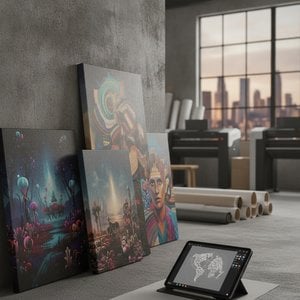
あなたのクリエイティビティを、世界中のファンへ届ける新しい形。在庫リスクなしで始められるオンデマンド・アートプリント販売をご紹介します。美術館品質のジークレー印刷技術を用い、デジタルな感性を一生のレガシーとなるファインアートへと昇華。WahooArtが提案する、洗練されたアーティスト・ビジネスの第一歩をここから。

Master the nuances of Giclée printing with our expert guide. Discover how pigment-based inks and museum-grade substrates create fade-resistant, high-fidelity art reproductions designed for discerning collectors seeking unparalleled quality and longevity.


 プレビュー
プレビュー
 シェアする
シェアする シェアする
シェアする
 詳細を見る
詳細を見る ガイド
ガイド

 ダウンロード
 似ている作品
 X線調査
X線調査 スライドショー
 統計情報
統計情報 詳細を見る
詳細を見る









 ガラスオプションは、110cm未満のサイズでのみご利用いただけます。


