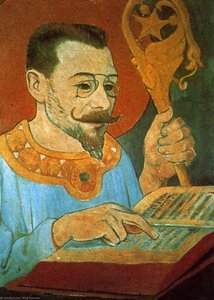
スピーディーな制作と多彩な仕上げオプションが魅力の、ミュージアムクオリティなジークレー・キャンバスプリント。 ( 手描きの複製画を注文する デジタル画像販売へ切り替え)





























作品のオリジナル比率に合わせた、当店の規定サイズからお選びください。

特定のフレームやスペースに合わせて、ご自身でサイズを指定することも可能です。選択されたサイズが元の画像の比率と一致しない場合、作品をトリミングするか、鏡面反射または単色での塗りつぶしによって画像を拡張いたします。制作を開始する前に、ご確認用のデジタルモックアップをお送りいたします。
画面上のプレビューには、実際のトリミングや拡張は反映されませんのでご注意ください。最終的な構図を正確に確認できるのは、モックアップのみとなります。
カスタムサイズも承っておりますが、元の比率を維持するためには、あらかじめ用意されたリストからサイズを選択することをお勧めいたします。

La colline aux platanes
複製画サイズ一覧
Paul Sérusier’s “La colline aux platanes,” painted in 1907, stands as a cornerstone of Breton Impressionism and a testament to the burgeoning exploration of abstraction within the artistic landscape of early 20th century France. Located at the Musée municipal André Malraux (MuMa) in Le Havre, this unassuming canvas offers far more than its tranquil depiction of a winter hillside; it embodies a radical departure from traditional academic painting and foreshadows movements like Synthetism and Cloisonnism that would reshape the course of modern art.
The scene itself is deceptively simple: a gently sloping hill dominated by several mature platanes—their branches bare against the muted winter sky—and a body of water reflecting the pale light. However, Sérusier’s genius lies not in meticulous realism but in capturing the essence of his experience at Pont-Aven, where he collaborated closely with Paul Gauguin during the summer of 1888. Influenced profoundly by Gauguin's expressive use of color and simplified forms, Sérusier sought to distill observation into a concentrated emotional statement.
Sérusier’s masterful technique exemplifies Cloisonnism, a stylistic approach championed by Gauguin and championed by Sérusier himself. Unlike traditional oil painting where pigment is blended seamlessly across the canvas surface, Cloisonnism involves applying paint in small, rectangular cells or panels—essentially outlining shapes with color—creating a mosaic effect that prioritizes visual impact over tonal gradation. This method deliberately suppresses detail, forcing the viewer to engage directly with the fundamental elements of color and form.
The platanes themselves hold symbolic significance beyond their botanical representation. Traditionally associated with resilience and longevity—often depicted in cemeteries as emblems of remembrance—they symbolize spiritual strength and connection to the natural world. Their bare branches convey vulnerability yet simultaneously assert a steadfast presence, mirroring Sérusier’s artistic ambition to transcend representational conventions and communicate profound ideas.
"La colline aux platanes" served as an inspiration for subsequent artists who pushed the boundaries of abstraction further. It solidified Sérusier's position as a pivotal figure in Synthetism, which sought to achieve visual unity through geometric shapes and bold color combinations—a direct descendant of Cloisonnism’s reductive aesthetic. This artwork continues to resonate with collectors and interior designers alike, offering a glimpse into the formative years of modern art and demonstrating the transformative power of artistic innovation.


1864 - 1927 , フランス

Unveil the profound revolution of Post-Impressionism. Explore how masters like Van Gogh and Cézanne utilized bold colors and emotional depth to transcend mere representation, laying the foundation for modern art. A sophisticated journey through history's most emotive brushstrokes.

Explore the transformative era of Post-Impressionism. Discover how masters like Cézanne and Matisse revolutionized color and form, moving beyond Impressionism to shape modern art history through structural innovation and expressive emotion.

Explore the vibrant evolution of Post-Impressionism. From Seurat's revolutionary Pointillism to the emotional depth of masters, discover how this movement redefined modern art history through color, structure, and unparalleled creative expression.

 設置イメージを確認
 送る
送る シェア
シェア
 詳細情報
詳細情報 ガイドを表示

 画像をダウンロード
 似ている作品
 X線調査
X線調査 スライドショー
 統計情報
統計情報


 続きを読む
続きを読む









 ガラスオプションは、110cm未満のサイズでのみご利用いただけます。