アート相談を無料で

x
手描き複製画を注文する 手描き複製画を注文する画像を 購入する 画像を 購入する シェアするシェアする
詳細を見る詳細を見る お気に入りに追加 お気に入りに追加 ダウンロードダウンロード 似ている作品似ている作品 X線X線 スライドショースライドショー

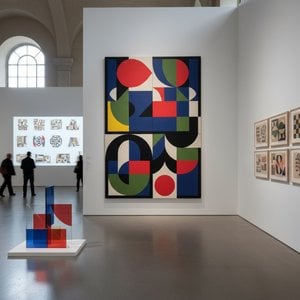
Super-Chess

Explore Paul Klee’s ‘Super-Chess’ – a vibrant 1937 abstract square picture! Geometric abstraction, bold colors & intriguing symbolism. Discover this unique artwork's history & style.

美しい色彩と豊かな表現で知られるパウル・クレーは、ドイツ生まれのスイス画家です。印象派やキュビズムなどの影響を受けながら独自の抽象的な絵画スタイルを確立し、「アンジェルス・ヌーヴァス」など数々の傑作を生み出しました。彼の作品は音楽との関連性も持ち合わせており、見る人に感動と知的な刺激を与えます。

ジークレー/アートプリント

迅速な制作と多彩な仕上げオプションを備えた、ミュージアムクオリティのジークレーまたはキャンバスプリント。

P118B $10
P118H $10
P118W $10
P438Z $10
P508JH $12
P508YH $12
P805H $10
P805Z $10
P919BZ $10
P919G $10
P919XJ $10
P959ZH $10
P968JZ $12
W106C $8
W218G $10
W218JH $8
W218Y $10
W307PJ $10
W316G $10
W316PJ $8
W316Y $10
W398PJ $8
W4111J $10
W500HY $15
W500JH $15
W692G $12
W849H $8
W940BG $15
W953PJ $8

Standard
custom
CM
INCH

作品のオリジナル比率に合わせた、当店の規定サイズからお選びください。

高さ

特定のフレームやスペースに合わせて、ご自身でサイズを指定することも可能です。選択されたサイズが元の画像の比率と一致しない場合、作品をトリミングするか、鏡面反射または単色での塗りつぶしによって画像を拡張いたします。制作を開始する前に、ご確認用のデジタルモックアップをお送りいたします。
画面上のプレビューには、実際のトリミングや拡張は反映されませんのでご注意ください。最終的な構図を正確に確認できるのは、モックアップのみとなります。
カスタムサイズも承っておりますが、元の比率を維持するためには、あらかじめ用意されたリストからサイズを選択することをお勧めいたします。

世界中への配送()は、標準の4〜5週間ではなく、2週間でお届けいたします。(4 7月)

why_choose_icon
世界中へ無料エクスプレス配送
why_choose_icon
高品質なリネンキャンバス
why_choose_icon
配送時完全保険付
why_choose_icon
関税・輸入税の払い戻し保証
why_choose_icon
忠実な色彩再現保証
why_choose_icon
60日間返品保証(製造上の欠陥のみ)
why_choose_icon
100% 全額返金保証
why_choose_icon
まとめ買い割引のご案内

合計金額

-

reproduction

Super-Chess

ジークレー/アートプリント

複製画のサイズ

-

合計金額

-

作品詳細

  • movement: Geometric Abstraction
  • influences:
    • Expressionism
    • Cubism
    • Surrealism
  • dimensions: 121 x 110 cm
  • title: Super-Chess
  • year: 1937
  • artist: Paul Klee

アート・クイズ

各質問の正解は1つだけです。

問題 1:
In Paul Klee’s ‘Super-Chess’, what is the primary compositional element that divides the artwork?
問題 2:
‘Super-Chess’ was created during a period when Klee's art was viewed negatively by which regime?
問題 3:
What is the dominant shape used throughout ‘Super-Chess’?
問題 4:
The red and blue elements in 'Super-Chess' are interpreted by some as representing what?
問題 5:
Paul Klee was also known for his contributions to art theory, specifically through what publication?

作品詳細説明

A Dynamic Game of Abstraction: Exploring Paul Klee’s ‘Super-Chess’

Paul Klee's 'Super-Chess' (1937) is a pivotal work from his Bauhaus period, representing a bold foray into non-representational art. Measuring 121 x 110 cm, this square composition transcends mere visual appeal; it’s a complex interplay of form, color, and potentially, veiled socio-political commentary.

Deconstructing the Composition

  • Geometric Foundation: The artwork is immediately striking for its grid structure – a field of black and white squares reminiscent of a chessboard. This foundational pattern establishes order, yet it’s disrupted by dynamic elements.
  • Color as Action: A vibrant red diagonal slices through the composition, punctuated by blue circles at either end. Below this line, a vertical column of red shapes descends, creating a sense of focused energy and suggesting movement – perhaps the decisive moves in a game.
  • Subtle Background Hue: The deep magenta or purple background adds depth and complexity, preventing the stark contrast of black, white, and red from feeling overly harsh. It introduces a layer of emotional resonance.

Style & Technique: Bauhaus Influence & Beyond

  • Geometric Abstraction: ‘Super-Chess’ exemplifies geometric abstraction, reflecting the influence of mid-century modern design principles and Klee's time at the Bauhaus. The emphasis on shape and form over realistic representation is central.
  • Brushwork & Texture: Visible brushstrokes reveal the artist’s hand, adding a tactile quality to the otherwise precise composition. This subtle texture prevents the work from feeling sterile or mechanical.
  • Color Theory Exploration: Klee was deeply invested in color theory, and ‘Super-Chess’ demonstrates his mastery. The complementary relationship between red and blue creates visual tension, while the black and white provide a grounding neutrality.

Historical Context & Potential Symbolism

  • The Bauhaus Years: Created during Klee’s tenure at the Bauhaus, ‘Super-Chess’ reflects the school's emphasis on experimentation and the integration of art with design.
  • A Troubled Era: Completed in 1937, the painting emerged amidst growing political turmoil. While Klee himself remained ambiguous about direct allegorical intent, some interpret the ‘super-king’ (the dominant red form) as a symbol of power overcoming opposition – potentially referencing the rise of totalitarian regimes.
  • ‘Degenerate Art’ & Censorship: Tragically, Klee's work was condemned as “degenerate” by the Nazi regime. Over one hundred of his pieces were confiscated from German museums in 1937, forcing him to return to Switzerland.
  • Chess as Metaphor: The chessboard motif itself invites interpretation. Chess can symbolize strategy, conflict, intellect, and the complexities of life – all themes that resonate within Klee’s broader artistic concerns.

Emotional Impact & Interior Design Considerations

  • Cool Precision with Energetic Counterpoint: The artwork evokes a sense of cool, intellectual precision, balanced by the dynamic energy of the red elements. This creates a captivating visual tension.
  • Versatile Aesthetic: ‘Super-Chess’ lends itself well to various interior design styles – from modern and minimalist spaces to more eclectic settings. Its geometric abstraction complements clean lines and bold color palettes.
  • A Conversation Starter: This artwork is not merely decorative; it's a thought-provoking piece that invites contemplation and discussion, making it an ideal focal point for any room.
‘Super-Chess’ stands as a testament to Paul Klee’s innovative spirit and his ability to imbue abstract forms with profound meaning. It is a work that continues to resonate with viewers today, offering both aesthetic pleasure and intellectual stimulation.

アーティストの略歴

パウル・クレー:色彩と形が生み出す夢幻の世界

パウル・クレー。その名は、遊び心溢れる抽象表現と深遠な感情の交錯を象徴する存在として、20世紀美術史に燦然と輝いています。1879年12月18日、スイスのミュンヘンブッシュゼーで生まれ、彼の芸術的遍歴は、常に探求を続け、表現主義、立方主義、シュルレアリスムといった様々な潮流の影響を受けつつも、独自の視覚言語を構築していくものでした。音楽教師である父と歌手の母のもとに育まれた幼少期からの芸術への親しみは、彼の作品に色彩と音の調和をもたらす基盤となり、絵画を単なる再現ではなく、感情や思想を抽象的に表現する手段として捉えることへと繋がっていきます。ミュンヒェンの美術アカデミーでの学びを通して、彼は写実的な表現の限界を見抜き、内面世界への扉を開くべく、独自の芸術的探求を開始したのです。

初期の試行錯誤と北アフリカ体験

クレーの初期作品には、アール・ヌーヴォーや象徴主義の影響が見られますが、その中でも既に彼の未来的なスタイルを予感させる要素が垣間見えます。1914年のチュニジアへの旅は、彼の芸術的発展における転換点となりました。北アフリカの強烈な光と鮮やかな色彩は、彼に抑制された色調から大胆で表現豊かなパレットへと移行する勇気を与えました。この経験を通して、彼は単なる表面的な模倣ではなく、知覚の本質を捉えるための抽象化へのコミットメントを深めていったのです。クレーにとって、チュニジアとは、単に風景を描写する対象ではなく、感情の共鳴を視覚的形態へと翻訳する媒体だったと言えるでしょう。彼は様々な芸術運動と関わりながらも、決して特定のイデオロギーに囚われることなく、独自の道を歩み続けました。音楽との深い結びつきは、彼の作品における構成のアプローチだけでなく、芸術を音響的な配置と同様の抽象表現の一形態として捉える理論的理解にも影響を与えました。

バウハウス時代:創造性の花開く園

1921年から1933年にかけて、クレーはヴァルター・グロピウスによって招聘され、ドイツのバウハウスで教鞭を執るという輝かしい時期を迎えます。この期間は、彼の芸術的発展において極めて重要なものでした。革新的な思想家や芸術家たちに囲まれた環境の中で、彼は色彩理論と形式の関係性をさらに深く探求し、抽象的な形態と感情表現の相互作用を探求しました。しかし、1933年、ナチス政権が台頭すると、彼の作品は「退廃的」であるとして非難され、バウハウスからの解雇という憂き目に遭います。故郷のスイスへと帰還したクレーは、ますます深刻化する政治情勢と自身の健康悪化の中で、不安を抱えながらも創作活動を続けました。

作品に込められた象徴性と普遍性

パウル・クレーの作品は、遊び心と深遠な思索が織り交ざった魅惑的な世界です。彼はしばしば子供のようなイメージや気まぐれな構成を用いながらも、それらに多層的な象徴的意味を込めました。彼の作品に登場する庭園、風景、肖像画、抽象的な形態の配置は、人間の経験の複雑さを探求するための手段として機能しています。「パウル・クレーノート」には、色彩とデザインに関する広範な理論的考察が記されており、芸術創造に対する綿密かつ知的なアプローチを垣間見ることができます。ハママット兄弟たち六つの閾は、彼の色彩感覚と形態構成の卓越性を象徴する作品です。クレーの影響は絵画の世界にとどまらず、デザインや建築、音楽といった分野にも及んでいます。彼の作品が持つ普遍的な魅力は、見る者を驚きと感動で包み込み、芸術に対する感情的・知的関与を促す力にあります。

美術館とさらなる探求

  • ツェントルム・パウル・クレー(ベルン): クレーの作品を世界最大規模で所蔵し、彼の芸術的遍歴を包括的に紹介しています。
  • ベルン州立美術館: ピカソなどの名画とともに、クレーの重要な作品も展示されています。
  • ベルン美術館: スイス最古の美術館であり、クレーを含む多くの近代美術の巨匠の作品を所蔵しています。
彼の遺産は、絵画の世界を超え、デザイン、建築、音楽といった分野にも影響を与えています。パウル・クレーの作品が持つ普遍的な魅力は、見る者を驚きと感動で包み込み、芸術に対する感情的・知的関与を促す力にあります。
パウル・クレー

パウル・クレー

1879 - 1940 , スイス

基本情報

  • フルネーム: パウル・クレー
  • 主な作品:
    • ハマメット
    • 兄弟
    • エン・ラ・コレンテ・セイス・ウンブラレス
  • 出生地: ミュンヘンブッシュゼー, スイス
  • 国籍: スイス・ドイツ系
  • 影響を与えた芸術家/運動: ['現代美術']
  • 影響を受けたアーティスト: ['ワシリー・カンディンスキー']
  • 死亡年月日: 1940年6月29日
  • 生年月日: 1879年12月18日
  • 芸術運動/スタイル: 表現主義、構成主義、シュルレアリスム
テーマ、スタイル、特徴別に分類された作品を探索しましょう。