
当社のアーティストが、お客様のご希望のサイズと額縁に合わせて、キャンバスに手描きで制作する油彩画です。 ( プリント版に切り替え デジタル画像販売へ切り替え)





























作品のオリジナル比率に合わせた、当店の規定サイズからお選びください。

特定のフレームやスペースに合わせて、ご希望のサイズをご入力いただけます。選択されたサイズが元の画像の比率と異なる場合、アートワークをトリミングするか、手描きで要素を追加して絵画を拡張いたします。デジタルモックアップ を制作し、制作開始前にご確認(承認)をいただきます。
画面上のプレビューは、実際のトリミングや拡張を正確に反映しているものではありません。最終的な構図は、モックアップによってのみ正確にご確認いただけます。
カスタムサイズもご利用いただけますが、元の比率を維持するためには、あらかじめ用意されたリストからサイズを選択することをお勧めいたします。

Little Tree Amid Shrubbery
複製画のサイズ
Paul Klee’s 1919 painting, *Little Tree Amid Shrubbery*, is more than a simple depiction of a tree; it’s an intimate meditation on nature, color, and the very act of seeing. Executed during a pivotal period in Klee's artistic development – a time when he was actively exploring the boundaries between representation and abstraction – this work exemplifies his signature style: a delicate balance of whimsical charm and profound emotional resonance. The painting’s immediate impact lies in its deceptively simple composition. A small, solitary tree dominates the foreground, nestled within a dense thicket of green bushes, all set against a vibrant, almost aggressively cheerful, red background. This bold color choice immediately draws the viewer's eye, creating a focal point that is both inviting and slightly unsettling.
Created in the aftermath of World War I, *Little Tree Amid Shrubbery* firmly resides within the Expressionist movement, though it transcends simple categorization. Klee was deeply influenced by the tenets of Expressionism – a desire to convey subjective emotion rather than objective reality – but he resisted any rigid adherence to its stylistic conventions. The painting’s loose brushwork, fragmented forms, and emphasis on color are hallmarks of his approach. However, unlike many Expressionists who sought to depict suffering or turmoil, Klee imbues this scene with a sense of quiet contemplation and perhaps even childlike wonder. His Swiss upbringing, steeped in musical tradition – his father was a music teacher – undoubtedly played a role in shaping his artistic sensibility, influencing his understanding of composition as a form of abstract expression akin to musical arrangement.
Klee’s technique is characterized by meticulous layering and subtle gradations of color. He employed oil paints with a remarkable sensitivity, building up textures and tones through countless thin glazes. The red background isn't merely a backdrop; it actively participates in the painting's emotional impact, creating a sense of depth and amplifying the vibrancy of the greens and browns. Notice how he uses broken color – small, distinct areas of pigment – to create an impressionistic effect, capturing not just the visual appearance of the tree but also its essence. The deliberate blurring of edges and forms contributes to the painting’s dreamlike quality, inviting the viewer to lose themselves in the scene.
*Little Tree Amid Shrubbery* has been interpreted as a symbol of resilience, growth, and perhaps even hope amidst uncertainty. The solitary tree, vulnerable yet steadfast, can be seen as representing the human spirit’s ability to endure hardship. The red background, often associated with passion and vitality, adds another layer of meaning. Ultimately, however, the painting's power lies in its ambiguity. Klee deliberately avoids offering a definitive interpretation, allowing viewers to project their own emotions and experiences onto the scene. The work evokes a feeling of serene contemplation, inviting us to pause and appreciate the beauty and fragility of the natural world.


1879 - 1940 , スイス

パウル・クレーの傑作25選🎨 色彩と象徴に満ちた抽象絵画の世界を旅。ドイツ表現主義からバウハウスまで、クレーの革新的な技法と感動的な作品群をWahooArtで。高品質な美術品複製やインテリアアートも豊富です。オンラインストアで全コレクションをご覧ください。

モンドリアン、マレーヴィチ…幾何学的抽象絵画を代表する傑作10選。各作品の背景や色彩構成、アーティストの情熱に迫ります。美術館品質の複製画はWahooArt.comで。オンラインでアートコレクションをご覧ください。

Explore the captivating world of Paul Klee! Discover his innovative art, Bauhaus influence, & unique symbolic language. Expert analysis & high-quality reproductions at WahooArt.

Journey through Wassily Kandinsky's 25 most iconic abstract paintings. Explore his revolutionary use of color, form & spiritual expressionism. Find museum-quality Kandinsky reproductions and elevate your home decor with WahooArt.com. Discover all masterpieces on WahooArt.com!
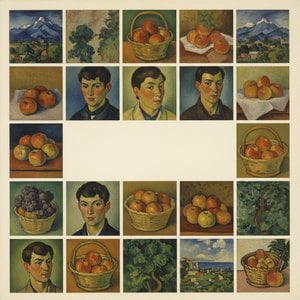
ポール・セザンヌの至高の25選。ポスト印象派を代表する画家、セザンヌの傑作と革新的な技法を紐解きます。WahooArtで高品質な複製画やインテリアアートを見つけ、芸術の世界をご自宅に。今すぐコレクションをご覧ください。


 プレビュー
プレビュー
 シェアする
シェアする シェアする
シェアする
 詳細を見る
詳細を見る

 ダウンロード
 似ている作品
 X線調査
X線調査 スライドショー
 統計情報
統計情報

 詳細を見る
詳細を見る









 ガラスオプションは、110cm未満のサイズでのみご利用いただけます。


