

当社のアーティストが、お客様のご希望のサイズと額縁に合わせて、キャンバスに手描きで制作する油彩画です。 ( プリント版に切り替え デジタル画像販売へ切り替え)





























作品のオリジナル比率に合わせた、当店の規定サイズからお選びください。

フレームや壁のスペースに合わせて、ご希望の幅と高さを入力してください。本作品は手描きのため、異なる比率のサイズをご希望の場合、絵画の周囲を少し広げて描くか、あるいは端を少しカットして調整することが可能です。お客様のご要望に合わせます。制作を開始する前に、仕上がりを確認するためのデジタルモックアップをお送りいたします。このページに表示されている画像は完成品の実物ではなく、あくまでモックアップによるイメージです。
Cacodemonic
複製画サイズ一覧
Paul Klee's 1916 painting, “Cacodemonic,” is not merely an artwork; it’s a visual poem, a glimpse into the artist’s burgeoning exploration of abstraction and the hidden realms of the psyche. Created during a pivotal year in his artistic development, this piece transcends simple representation, inviting viewers to embark on a journey through color, form, and suggestion. The painting's power lies not in what it depicts literally—for there is no discernible subject matter in the traditional sense—but in the emotional resonance it evokes, a feeling of unsettling energy contained within a delicate framework.
To understand “Cacodemonic” requires acknowledging its place within Klee’s artistic trajectory. Having initially trained as a violinist and draftsman, Klee gradually moved away from representational art, seeking instead to express inner realities through the language of abstraction. A transformative trip to Tunisia in 1914 proved crucial; bathed in North African light, he discovered a new palette and an appreciation for the expressive potential of color. This newfound freedom coincided with his engagement with avant-garde movements like Cubism and Expressionism, though Klee never fully aligned himself with any single school. He synthesized these influences into a uniquely personal style—one characterized by playful experimentation, lyrical compositions, and a profound sensitivity to color theory.
“Cacodemonic” is dominated by a vibrant yet restrained palette, anchored by a striking central red dot that immediately commands attention. This focal point seems to pulse with an inner life, surrounded by a constellation of shapes and colors—delicate lines, geometric forms, and scattered dots—that create a sense of dynamic tension. The composition feels deliberately chaotic, as if the artist allowed intuition to guide his hand. The term “cacodemonic” itself hints at a darker undercurrent, referring to an evil spirit or demon. While Klee rarely offered explicit interpretations of his work, the title suggests that this painting might be an exploration of unsettling emotions or hidden forces within the subconscious. The meticulous application of color and form, however, prevents it from becoming overtly menacing; instead, there’s a sense of contained energy, as if these dark impulses are being carefully observed and analyzed.
Paul Klee's impact on 20th-century art is immeasurable. His innovative approach to color, his lyrical abstraction, and his willingness to embrace the playful and the irrational paved the way for countless artists who followed. “Cacodemonic,” though a relatively early work in his abstract period, embodies many of the qualities that would come to define his mature style. Today, owning a reproduction of this painting is not simply acquiring a decorative object; it’s inviting a piece of art history into your space—a testament to Klee's enduring vision and his ability to capture the complexities of the human experience on canvas. It serves as a potent reminder that true beauty often lies in ambiguity, suggestion, and the power of the imagination.
「Cacodemonic」は、Quinacridone Magenta (#675d5f)を主軸としたNeutralsなパレットによって構成されています。
「Cacodemonic」の彩度はBalancedです。彩度とは、色の鮮やかさの度合いを表します。
「Cacodemonic」の明暗のコントラストはSereneと記録されています。コントラストとは、明るい部分と暗い部分がどの程度強く異なっているかを表す指標です。


1879 - 1940 , スイス

抽象表現主義を定義する10の傑作。ポロック、ロスコら巨匠たちの情熱と色彩の世界へ。各作品に込められた物語と技法を紐解き、至高のアート体験を。WahooArt.comで、ミュージアムクオリティの複製画や洗練されたインテリアアイデアを発見してください。

Explore the captivating world of Paul Klee! Discover his innovative art, Bauhaus influence, & unique symbolic language. Expert analysis & high-quality reproductions at WahooArt.

モンドリアン、マレーヴィチ…幾何学的抽象絵画を代表する傑作10選。各作品の背景や色彩構成、アーティストの情熱に迫ります。美術館品質の複製画はWahooArt.comで。オンラインでアートコレクションをご覧ください。

パウル・クレーの傑作25選🎨 色彩と象徴に満ちた抽象絵画の世界を旅。ドイツ表現主義からバウハウスまで、クレーの革新的な技法と感動的な作品群をWahooArtで。高品質な美術品複製やインテリアアートも豊富です。オンラインストアで全コレクションをご覧ください。
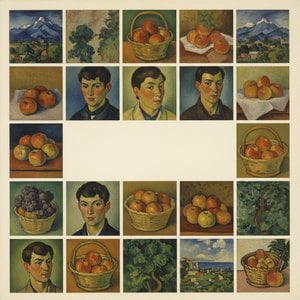
ポール・セザンヌの至高の25選。ポスト印象派を代表する画家、セザンヌの傑作と革新的な技法を紐解きます。WahooArtで高品質な複製画やインテリアアートを見つけ、芸術の世界をご自宅に。今すぐコレクションをご覧ください。

 設置イメージを確認
 送る
送る シェア
シェア
 詳細情報
詳細情報 ガイドを表示

 画像をダウンロード
 似ている作品
 X線調査
X線調査 スライドショー
 統計情報
統計情報

 続きを読む
続きを読む









 ガラスオプションは、110cm未満のサイズでのみご利用いただけます。


