Oil On CanvasWallArtAbstract Expressionism
 1935Modern
 38.0 x 52.0 cm
スピーディーな制作と多彩な仕上げオプションが魅力の、ミュージアムクオリティなジークレー・キャンバスプリント。 ( 手描きの複製画を注文する デジタル画像販売へ切り替え)





























作品のオリジナル比率に合わせた、当店の規定サイズからお選びください。

特定のフレームやスペースに合わせて、ご自身でサイズを指定することも可能です。選択されたサイズが元の画像の比率と一致しない場合、作品をトリミングするか、鏡面反射または単色での塗りつぶしによって画像を拡張いたします。制作を開始する前に、ご確認用のデジタルモックアップをお送りいたします。
画面上のプレビューには、実際のトリミングや拡張は反映されませんのでご注意ください。最終的な構図を正確に確認できるのは、モックアップのみとなります。
カスタムサイズも承っておりますが、元の比率を維持するためには、あらかじめ用意されたリストからサイズを選択することをお勧めいたします。
Going West
複製画サイズ一覧
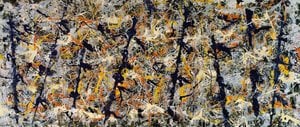
Jackson Pollock's "Going West," painted in 1935, isn’t merely a depiction of a winter landscape; it’s a deeply personal narrative woven into the fabric of American pioneering spirit. Born Paul Jackson Pollock in Cody, Wyoming – a town intimately linked to westward expansion – the painting resonates with a profound sense of familial history and the yearning for a new horizon. The scene unfolds at night, dominated by a snow-dusted mountain range, a backdrop that immediately evokes the vastness and rugged beauty of the American West. A small group of figures stands before this imposing vista, their forms rendered in a style that’s both recognizable and subtly abstracted – a characteristic born from Pollock's early experimentation with various artistic influences.
The painting’s genesis is believed to be rooted in a family photograph of a bridge in Cody, Wyoming. This seemingly simple starting point becomes the foundation for a richer exploration of themes: the journey westward undertaken by Pollock’s own family during his childhood from Arizona to California. This personal connection imbues the artwork with an emotional weight, transforming it into more than just a landscape; it's a visual embodiment of displacement, aspiration, and the enduring pull of home. The inclusion of a dog amongst the figures adds another layer of intimacy, suggesting companionship and shared experience on this arduous journey.
To fully appreciate “Going West,” it’s crucial to recognize the significant influence of Thomas Hart Benton, Pollock's mentor. Benton, a prominent American Regionalist painter, championed a style characterized by realistic depictions of everyday life, particularly focusing on rural America and its history. Pollock, in his early career, was deeply drawn to Benton’s approach – evident in the careful rendering of the figures and the detailed depiction of the landscape. However, Pollock quickly moved beyond mere imitation, incorporating elements of Surrealism and drawing inspiration from Native American art, ultimately forging his own distinctive style.
Notice how Benton's use of bold lines and a somewhat flattened perspective is echoed in Pollock’s composition, though subtly transformed. The figures aren’t sharply defined; they possess an almost dreamlike quality, contributing to the painting’s overall atmosphere of mystery and introspection. This early experimentation with different styles demonstrates Pollock’s artistic restlessness and his willingness to absorb influences before ultimately establishing his revolutionary drip technique.
“Going West” is a masterclass in the expressive potential of oil paint. Pollock employs a layered, almost chaotic application, building up texture and depth through multiple layers of color. The dark blues and blacks of the night sky contrast dramatically with the warm hues of the mountains and the figures’ clothing, creating a powerful sense of drama and visual tension. The technique is not about precise representation; it's about conveying feeling – the coldness of the winter air, the vastness of the landscape, and the quiet contemplation of the group before them.
The use of impasto—thickly applied paint—adds a tactile quality to the canvas, inviting viewers to reach out and touch the surface. This physicality is particularly striking in the depiction of the mountains, where the paint seems to ripple and flow like water. The overall effect is one of movement and energy, despite the static pose of the figures. It’s important to note that this technique was still developing as Pollock moved toward his signature drip painting style, making “Going West” a crucial stepping stone in his artistic evolution.
“Going West” transcends its immediate subject matter to become a potent symbol of the American experience. It speaks to the pioneering spirit, the challenges and rewards of westward expansion, and the enduring connection between family and place. Pollock’s ability to blend personal history with broader themes of American life is what makes this painting so compelling – it's not just a landscape; it’s a meditation on identity, journey, and the search for belonging. The painting serves as an important piece in understanding Pollock's early artistic development, setting the stage for his later abstract expressionist works.
For those seeking to own a piece of this remarkable artwork, WahooArt offers meticulously crafted hand-painted reproductions of “Going West.” These faithful recreations capture the painting’s rich textures, dramatic lighting, and emotional depth, allowing you to bring this iconic image into your home or office. Explore our reproduction options today!
ジャクソン・ポロック作「Going West」の主要な色調はOchre to Sepiaです。この色調は、パレットの基調となるトーンを形作っています。
「Going West」に似た作品は、作品の似ている作品ページに掲載されています。
ジャクソン・ポロック作「Going West」の制作年代はModernです。この分類により、美術史における本作の位置付けが明確になります。
「Going West」の形式はLandscapeで、原寸は38 x 52 cmです。どちらの情報も、複製を作成する際の参考になります。
ジャクソン・ポロックは、「Going West」においてOil On Canvasの技法を用いています。この技法が、原画の素材としての性質を決定づけています。
「Going West」は、Largeのプリントサイズでの印刷をおすすめします。他のサイズについても、同じ比率でご利用いただけます。
「Going West」では、Gentleな対比とSoftly Mixed Paletteな調和が共存しています。
「Going West」はamerican west, family journey, landscape, night scene, migration, figures, dog, thomas bentonを描いていますが、ジャクソン・ポロックのこれまでのテーマとして記録されているのはthomas hart benton, regionalist style, american west themes, early abstract ideas, pollock's early style, transition to abstraction, experimentation phase, foundation for later worksです。この二つを比較することで、本作が作家のいつもの主題とどのように関連しているかが明らかになります。
1912年、ワイオミング州コーディに生まれたポール・ジャクソン・ポロックは、生まれつき落ち着きのない性格でした。彼の幼少期は、父がアメリカ西部の広大な土地を測量するために頻繁に移住したことで特徴づけられます。この定住しない生活様式は、若いポロックに自然界との深い繋がりと、測量旅行中に遭遇する多様な文化への触れ合いを与えました。特にネイティブ・アメリカンの芸術との出会いは、その後の彼の芸術的ビジョンに微妙に浸透していきます。彼は先住民のスタイルを模倣することはありませんでしたが、初期の経験から得られた生々しいエネルギーと精神的な共鳴は、間違いなく彼の作品に痕跡を残しました。
ポロックの正式な芸術教育は、ロサンゼルスのマニュアル・アーツ高校で始まり、その後ニューヨークのアート・スチューデンツ・リーグでトーマス・ハート・ベントンの指導を受けました。地域主義運動の著名な人物であったベントンは、アメリカの生活に根ざしたリズミカルな構成と物語的なテーマを重視しました。ポロックは当初これらの教訓を取り入れましたが、彼の本質的な傾倒はより抽象的な探求へと向かっていました。また、メキシコの壁画家ホセ・クレメンテ・オロスコの作品にも深く感銘を受けました。オロスコの力強い社会闘争の描写は、彼に深い共鳴を与えました。これらの初期の影響が基礎を築きましたが、台頭しつつあったシュルレアリスムこそが、ポロックの芸術的潜在能力を真に解き放ったのです。
1930年代、ポロックは伝統的な筆致に代わる手法を模索し、様々な実験を行いました。彼は絵具を注ぎ始め、その流動性と予測不可能な性質を探求しました。しかし、1947年頃になると、彼の芸術的軌跡は劇的な変貌を遂げます。ポロックはイーゼルを完全に放棄し、キャンバスを直接床に置き、彼が「ドリッピング技法」として知られるようになるものを開始しました。そして彼は、上からキャンバスに絵具を滴らせ、飛び散らし、投げつけました。
これは単なる絵具の塗布ではありませんでした。それは創造行為そのものを体現することについてでした。ポロックのキャンバスは、アーティスト、媒体、表面とのダイナミックなダンスを描くための舞台となりました。このプロセスは、彼の身振りや感情を捉え、即時性を表現する物理的な表現の場となりました。結果として生まれた絵画は、「オールオーバー」構成によって特徴づけられます。これは中心的な焦点がないため、鑑賞者はエネルギーの統一されたフィールドとしてキャンバス全体を探求することを促します。複雑な線と色のネットワークが絡み合い、魅惑的でありながら挑戦的な視覚的な複雑さを生み出しています。
この革新的なアプローチは、第二次世界大戦後のニューヨーク市で台頭した抽象表現主義運動において、ポロックを中核的な人物として位置づけました。抽象表現主義は、自発的なジェスチャー、大規模なスケール、非代表的なイメージを優先し、伝統的な芸術的慣習から離れたより広範な文化的転換を反映していました。彼とアーティストのリー・クラズナーとの結婚も極めて重要でした。彼女は揺るぎない精神的なサポートを提供し、彼の作品の画期的な性質を認識して、彼の芸術的発展を積極的に奨励しました。
ポロックの最も有名な作品—Number 1, 1950 (Lavender Mist)、One: Number 31, 1950、Blue Poles: Number 11, 1952、そしてConvergence—は、彼の革命的な技法の証です。これらの絵画は単なるイメージではありません。それらはアーティストの物理的な存在と感情が込められたパフォーマンスの記録なのです。これらのキャンバスから発せられるダイナミックなエネルギーは触知でき、鑑賞者を純粋な抽象の世界へと引き込みます。
彼のスタイルは単なる美学を超越しています。それはプロセスよりも製品を探求するものです。ポロックは、伝統的な構成や表現の概念を拒否し、キャンバスに自身の行動と感情の即時性を捉えようとしました。彼はユング心理学にも深く入り込み、芸術における原型と潜在意識を探求し、普遍的なシンボルと原始的なエネルギーに触れようとしました。
ポロックが芸術史に与えた影響は計り知れません。彼はアーティストが絵画に取り組む方法を根本的に変え、イーゼルベースの方法から脱却し、よりパフォーマンス的なアプローチを受け入れました。彼の作品はニューヨーク市が現代美術の世界の中心地としての地位を確立するのに役立ち、ヨーロッパの優位性から焦点を移しました。彼の影響は、カラーフィールド絵画や抽象表現主義のその後の形態に関連する多くのアーティストの作品に見られます。
当初は賛否両論があり—一部の批評家は彼の作品を混沌としているか、技術に欠けていると一蹴しましたが—ポロックの名声は1956年に44歳で早逝した後、着実に高まりました。今日、彼は20世紀で最も重要かつ影響力のあるアーティストの一人として普遍的に認められています。彼は慣習に挑戦し、芸術的表現の境界を再定義することを敢行した先見者です。彼の革新的な技法と表現豊かなスタイルは、今後何世代にもわたってインスピレーションを与え続け、その永続的な遺産を確かなものとしています。

1912 - 1956 , アメリカ合衆国

Explore the profound impact of Regionalism in art history. Discover how iconic painters captured local identity, rural resilience, and the American heartland through evocative landscapes and social commentary in this expert-led journey through art's most soulful movement.

Explore the profound beauty of American Regionalism. Delve into the art history of Grant Wood and John Steuart Curry, uncovering how these masters captured the soul of the American Heartland through iconic landscapes and rural identity.

 設置イメージを確認
 送る
送る シェア
シェア
 詳細情報
詳細情報 ガイドを表示

 画像をダウンロード
 似ている作品
 X線調査
X線調査 スライドショー
 統計情報
統計情報 続きを読む
続きを読む









 ガラスオプションは、110cm未満のサイズでのみご利用いただけます。