プリント版に切り替え 手描きの絵画を購入 シェアする
詳細を見る お気に入りに追加 ダウンロード 似ている作品 スライドショー 統計情報

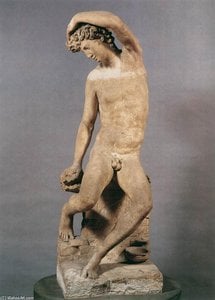
Narcissus

A melancholic marble masterpiece capturing the introspective gaze of Narcissus by 19th-century French sculptor Paul Dubois, offering a timeless touch of classical realism for your collection.

Paul Dubois (1829-1905) was a celebrated French sculptor & painter known for Renaissance-inspired statues, portraiture, and monuments like Joan of Arc. Explore his life, works at the Louvre, and legacy as a Légion d'honneur knight.

オンラインプレビューをはるかに凌ぐ、高解像度で鮮明なデジタル画像をご購入いただけます。

各ファイルは、社内の専門家が高度なツールと熟練した手作業によるレタッチを用いて、細心の注意を払って準備されています。すべての画像において、卓越した鮮明度、正確な色彩再現性、そして繊細なディテールを保証いたします。

最終ファイルは、プロフェッショナルな編集・印刷環境ですぐにご利用いただけるよう最適化された状態で、72時間以内にメールにてお届けいたします。これは、一流のデザインスタジオ、出版社、ギャラリーから信頼されているものと同等の品質です。

デジタルアート

個人での鑑賞、印刷、クリエイティブなプロジェクト用に、高解像度ファイルをダウンロードできます。 ( プリント版に切り替え 手描きの絵画を購入)

最終合計金額

$ 24.90

デジタル画像のご注文に付随する特典

高品質なデジタル画像配信を、確かな品質で。

WahooArt.com を選ぶことは、単に画像を手に入れることではありません。それは、プロの手によって精密に仕上げられ、満足保証が付いた高品質なデジタルアートワークを受け取ることを意味します。ご注文いただいた際に自動的に付随する内容は、以下の通りです:

shipping_icon
メールですぐにお届け

ご注文から72時間以内に、高解像度のデジタル画像ファイルがメールでお手元に届きます。すぐにそのままご利用いただけます。

canvas_icon
AI技術で最適化されたデジタルファイル

お客様の作品は、高度なAIツールと専門家による手作業の編集を組み合わせてプロフェッショナルに最適化されており、細部のディテール、鮮明さ、そして正確な色再現性を最大限に引き出しています。

insurance_icon
一生涯無料の再送サービス

ファイルを誤って削除したり、紛失してしまったりしましたか?ご安心ください。いつでも無料で再送いたします。

tax_icon
輸入手数料は一切かかりません

関税や手数料、配送料を気にすることなく、お気に入りのアートワークをすぐにお楽しみいただけます。デジタルダウンロードは常に免税です。

color_icon
色彩再現の保証

プロ仕様のツールとカラーマネジメント技術を用いることで、デジタル画像が元の色を最大限に忠実に再現することを保証いたします。

return_icon
100日間満足保証

ご購入いただいたデジタル画像にご満足いただけない場合は、100日以内であれば、理由を問わず修正または100%の返金対応をさせていただきます。

guarantee_icon
100% 返金保証

ご満足いただけない場合は、デジタルファイルを受け取ってから100日以内であれば、理由を問わず全額返金いたします。

discount_icon
まとめ買い割引

3枚購入で10%OFF - 5枚購入で15%OFF - 10枚以上購入で20%OFF。クリエイティブなプロジェクト、ギャラリー、エージェンシーに最適です。

作品詳細

  • Artist: Paul Dubois
  • Movement: Classical Realism
  • Medium: Marble
  • Notable elements or techniques: Detailed drapery and anatomical accuracy
  • Artistic style: 19th-century French sculpture
  • Subject or theme: Mythological vanity and introspection

The Allure of Introspection: A Study in Marble

In the quiet stillness of Paul Dubois’s 1867 masterpiece, Narcissus, we encounter a moment frozen in time, captured with the breathtaking precision of 19-century French classical realism. The sculpture presents the mythological figure not as a boastful youth, but as a soul lost in the depths of his own reflection. As he draws a heavy, draped cloth across his body, his gaze is cast downward, directed toward an unseen pool, inviting the viewer into a private world of melancholy and profound contemplation. This work transcends mere stone, transforming cold marble into a living, breathing study of human vulnerability and the weight of self-awareness.

The technical mastery displayed in this piece is nothing short of extraordinary. Dubois, a student of the prestigious École Nationale des Beaux-Arts, utilizes his deep understanding of anatomy to create a figure that feels both monumental and incredibly delicate. The interplay of light and shadow—even when viewed through the lens of photography—reveals a sophisticated command over texture. One can almost feel the contrast between the smooth, polished skin of the subject and the voluminous, undulating folds of the drapery that cascade around him. This meticulous carving creates a sense of three-dimensionality that commands attention, making it an ideal centerpiece for any collection seeking to evoke a sense of classical grandeur.

Symbolism and the Classical Legacy

Beyond its physical beauty, Narcissus serves as a poignant exploration of one of mythology's most enduring themes: the duality of self-love and self-destruction. The act of gazing downward symbolizes the inward turn of the spirit, representing both the beauty of introspection and the danger of vanity. For the discerning collector or interior designer, this piece offers more than just aesthetic pleasure; it provides a narrative depth that can anchor a room with intellectual gravity. The sculpture’s ability to evoke emotion—ranging from quiet peace to a haunting sense of loss—makes it a versatile element for sophisticated spaces, whether in a formal gallery setting or a curated private study.

The historical context of the work further enhances its value. Created during a period when French sculptors were revitalizing the classical traditions of Rome, Dubois’s work carries the prestige of the Légion d'honneur and the rigorous training of the Beaux-Arts tradition. To possess a reproduction of such a significant piece is to hold a fragment of art history. It brings into a contemporary interior the timeless elegance of the 19th century, bridging the gap between the ancient myths of antiquity and the modern appreciation for fine craftsmanship and emotional resonance.


作家の略歴

Early Life and Education

  • Born: July 18, 1829, Nogent-sur-Seine, France
  • Initially studied law to please his father, a notary.
  • Abandoned legal studies to pursue sculpture.
  • Influenced by the work of his great-uncle, Jean-Baptiste Pigalle.
  • Debut at the Paris Salon in 1857 under the name Dubois-Pigalle.
  • Studied at the École Nationale des Beaux-Arts under Armand Toussaint.
  • Traveled to Rome in 1860, studying and copying classical sculptures.

Career and Artistic Development

  • Resided in Rome for four years, developing his skills and artistic style.
  • Awarded "une médaille de 2° classe" by the Paris Salon in 1863 for works created in Rome (Saint Jean-Baptiste and Narcisse).
  • Returned to France and completed "Chanteur florentin du XVe siècle," a highly popular work.
  • Received *médaille d'honneur* at the Salon des beaux-arts in 1865 and 1876.
  • Became Chevalier of the Légion d'honneur in 1867, later promoted to Officer (1874), Commander (1886), and Grand Croix (1889).
  • Developed a significant portrait painting practice alongside his sculpture work after 1870.
  • Taught at the Académie Julian.
  • His style evolved from Italian influences to a more individual expression.

Major Works and Achievements

  • Equestrian Statue of Joan of Arc: Located in Place Saint-Augustin, Paris. A significant public work demonstrating his skill in equestrian sculpture.
  • Bust of Alexandre Cabanel: Showcases his portraiture abilities.
  • Eve Naissante: Housed in the Petit Palais, Paris.
  • Narcissus (1866): Located on the north façade of the Cour Carrée in the Louvre Palace, Paris.
  • Military Courage Statue: A reproduction located in Mount Vernon, Baltimore.
  • Equestrian statue of Anne de Montmorency: Situated in the Château de Chantilly.
  • Monument/Cenotaph to General de la Moricière: Located in Nantes Cathedral.
  • The Tomb of General Lamoricire: A masterpiece in the cathedral of Nantes, showcasing allegorical figures and reliefs.

Later Life and Legacy

  • Died from pneumonia on May 23, 1905.
  • His work reflects a blend of classical influences and personal artistic expression.
  • Recognized for his skill in both sculpture and painting.
  • Awarded numerous honors throughout his career, including the Légion d'honneur.
  • Established a museum with Alfred Boucher containing information relating to his work.
  • His works are displayed in prominent locations such as the Louvre Palace and Petit Palais.
Paul Dubois

Paul Dubois

1829 - 1905 , France

プロフィール概要

  • Artistic Movement Or Style: Academic Classical
  • Artists Who Influenced This Artist: ['Jean-Baptiste Pigalle']
  • Date Of Birth: July 18, 1829
  • Date Of Death: May 23, 1905
  • Full Name: Paul Dubois
  • Nationality: French
  • Notable Artworks:
    • Saint Jean-Baptiste
    • Narcisse
    • Chanteur florentin du XVe siècle
    • Eve naissante
    • Joan of Arc statue
  • Place Of Birth: Nogent-sur-Seine, France