
 キャンバスに油彩ウォールアートPost-Impressionism
 189019世紀
 92.0 x 73.0 cm
迅速な制作と多彩な仕上げオプションを備えた、ミュージアムクオリティのジークレーまたはキャンバスプリント。 ( 手描きの絵画を購入 デジタル画像販売へ切り替え)





























作品のオリジナル比率に合わせた、当店の規定サイズからお選びください。

特定のフレームやスペースに合わせて、ご自身でサイズを指定することも可能です。選択されたサイズが元の画像の比率と一致しない場合、作品をトリミングするか、鏡面反射または単色での塗りつぶしによって画像を拡張いたします。制作を開始する前に、ご確認用のデジタルモックアップをお送りいたします。
画面上のプレビューには、実際のトリミングや拡張は反映されませんのでご注意ください。最終的な構図を正確に確認できるのは、モックアップのみとなります。
カスタムサイズも承っておりますが、元の比率を維持するためには、あらかじめ用意されたリストからサイズを選択することをお勧めいたします。

Self-Portrait with Palette
複製画のサイズ
Paul Cézanne’s Self-Portrait with Palette, painted in 1890, is more than just a depiction of the artist; it's a profound statement about his artistic process and his evolving relationship with representation. This oil on canvas masterpiece encapsulates the essence of Post-Impressionism, bridging the gap between Impressionistic observation and the burgeoning Cubist movement. The painting offers viewers an intimate look into the mind of one of art history’s most influential figures.
Cézanne was a pivotal figure in the transition from late 19th-century Impressionism to early 20th-century Cubism. Rejecting the fleeting moments captured by the Impressionists, Cézanne sought to explore the underlying structure of objects and forms. His style is characterized by repetitive brushstrokes, a deliberate distortion of perspective, and an emphasis on geometric shapes. Self-Portrait with Palette exemplifies these characteristics; the artist's features are rendered with broad, textured strokes, creating a sense of solidity and volume rather than fleeting realism. The background figures are similarly simplified, contributing to the overall feeling of structured composition.
The painting’s technique is notable for its deliberate application of paint. Cézanne employs short, visible brushstrokes that build up layers of color and texture. This impasto technique creates a tactile quality, inviting viewers to appreciate the physicality of the medium. The composition itself is carefully considered. Cézanne holds his palette prominently, symbolizing his engagement with his craft. He gazes directly at the viewer, creating a sense of directness and intimacy. The inclusion of other figures in the background suggests a broader artistic community, yet Cézanne remains the central focus, asserting his individuality.
Beyond its technical merits, Self-Portrait with Palette carries significant symbolic weight. The palette itself represents not just the tools of the artist's trade but also the creative process—the mixing of colors, the experimentation with form, and the ultimate act of creation. Cézanne’s somewhat austere expression conveys a sense of introspection and dedication to his art. The painting evokes feelings of quiet contemplation and artistic perseverance. It is not a celebratory portrait; rather, it's a thoughtful self-assessment by an artist deeply immersed in his work.
Self-Portrait with Palette stands as a testament to Cézanne’s innovative approach to art. His exploration of form and structure paved the way for future generations of artists, including Henri Matisse and Pablo Picasso. The painting's influence can be seen in the development of Cubism and other avant-garde movements that challenged traditional notions of representation. It remains a powerful symbol of artistic vision and a compelling portrait of an artist grappling with his craft.

1839 - 1906 , フランス
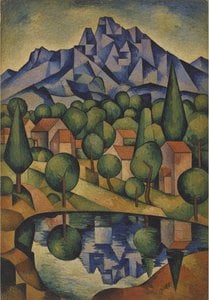
Explore the profound legacy of Paul Cézanne. Discover how his mastery of geometric forms and vibrant color bridged Impressionism and Cubism, offering timeless inspiration for fine art collectors and enthusiasts seeking to understand the foundations of modern art.
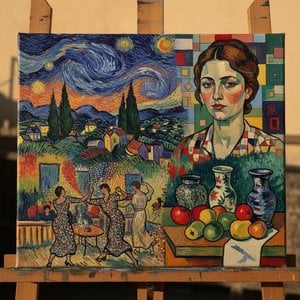
Unveil the profound revolution of Post-Impressionism. Explore how masters like Van Gogh and Cézanne utilized bold colors and emotional depth to transcend mere representation, laying the foundation for modern art. A sophisticated journey through history's most emotive brushstrokes.

Explore the vibrant evolution of Post-Impressionism. From Seurat's revolutionary Pointillism to the emotional depth of masters, discover how this movement redefined modern art history through color, structure, and unparalleled creative expression.

Explore the transformative era of Post-Impressionism. Discover how masters like Cézanne and Matisse revolutionized color and form, moving beyond Impressionism to shape modern art history through structural innovation and expressive emotion.

Master the nuances of Impressionism vs. Post-Impressionism with our expert guide. Explore the revolutionary shift from Monet’s fleeting light to Van Gogh’s emotional depth. Discover how these iconic movements continue to inspire fine art collectors and modern interiors today.


 プレビュー
プレビュー
 シェアする
シェアする シェアする
シェアする
 詳細を見る
詳細を見る

 ダウンロード
 似ている作品
 X線調査
X線調査 スライドショー
 統計情報
統計情報 詳細を見る
詳細を見る









 ガラスオプションは、110cm未満のサイズでのみご利用いただけます。


