

スピーディーな制作と多彩な仕上げオプションが魅力の、ミュージアムクオリティなジークレー・キャンバスプリント。 ( 手描き複製画を注文する デジタル画像販売へ切り替え)





























作品のオリジナル比率に合わせた、当店の規定サイズからお選びください。

額縁や壁のスペースに合わせて、ご希望の幅と高さを入力してください。プリントはカットすることは可能ですが、元の画像より大きくすることはできないため、異なる比率のサイズを選択された場合は、画像の一部が欠けることになります。印刷を開始する前に、内容を確認していただくためのデジタルモックアップをお送りいたします。このページに表示されている画像は、実際のカット後の状態を示すものではありません。実際の仕上がりはモックアップにてご確認ください。
Self Portrait (9)
複製画サイズ一覧
Paul Cézanne's “Self Portrait” of 1862 is more than a simple likeness; it’s a pivotal moment in art history, a hesitant yet resolute declaration of an artist forging his own path. Painted during a period of intense experimentation and self-discovery for the young painter, this work offers a rare glimpse into the burgeoning artistic vision that would eventually revolutionize painting itself. The portrait isn't polished or idealized; rather, it possesses a raw honesty that immediately draws the viewer in, inviting contemplation about the artist’s inner world.

(Placeholder image - Replace with an actual image of the artwork)
While often considered a precursor to Post-Impressionism, “Self Portrait” reveals Cézanne's early engagement with the core tenets of Impressionism. The brushstrokes are visible, capturing a fleeting moment in time – a characteristic of the movement focused on depicting light and atmosphere. However, unlike the purely optical concerns of many Impressionists, Cézanne immediately begins to manipulate form and perspective. Note the deliberate flattening of space; he doesn’t attempt a traditional illusionistic depth, instead prioritizing the representation of volume through color and texture. The use of oil paint is masterful, layering thick impasto in areas – particularly around the face and hands – creating a tactile quality that adds to the portrait's intensity. The dark suit and tie, meticulously rendered, provide a stark contrast against the softer tones of his skin, further emphasizing his features.
Painted in 1862, this self-portrait reflects a crucial juncture in Cézanne’s life. He was grappling with conflicting desires – his father's expectations for him to pursue a legal career versus his burgeoning passion for art. The serious expression on his face, the formal attire, and the confident gaze all speak of ambition and determination, yet there’s also an undeniable sense of vulnerability. The meticulous detail in his clothing can be interpreted as a conscious effort to project an image of professionalism and seriousness, perhaps even a defense against criticism or doubt. The bow tie, a small but significant element, adds a touch of formality and self-awareness.
Cézanne’s “Self Portrait” was created during a period of immense social and artistic change in France. The Industrial Revolution was transforming society, while artists were increasingly rejecting academic traditions and seeking new ways to represent reality. Impressionism, with its focus on capturing fleeting moments and subjective experiences, was challenging the established norms of the Salon. Cézanne’s early experimentation with these ideas – evident here – positioned him at the forefront of this artistic revolution, laying the groundwork for movements like Cubism that would profoundly impact 20th-century art.
Ultimately, “Self Portrait” transcends a simple depiction of an individual. It’s a powerful meditation on identity, ambition, and the struggle to find one's place in the world. The portrait’s enduring appeal lies in its ability to evoke empathy and invite viewers to contemplate their own experiences of self-discovery. It is a testament to Cézanne’s early courage – his willingness to challenge convention and pursue his artistic vision with unwavering conviction, a quality that would define his extraordinary career.
「Self Portrait (9)」の作者はセザンヌとされています。
セザンヌによる「Self Portrait (9)」はパブリックドメイン(著作権消滅)です。著作権の保護期間は作者の没年から起算されますが、セザンヌは1906年に亡くなっています。
1862年という制作年代から、「Self Portrait (9)」はセザンヌのMature Periodに属します。


1839 - 1906 , フランス

印象派と後期印象派の決定的な違いを、光と色彩、そして感情の変遷から紐解くマスタークラス。モネやルノワールが捉えた「一瞬の光」から、ゴッホらが追求した「内なる情熱」まで、美術史の革命を専門家が解説します。WahooArtでは、巨匠たちの息吹を感じる高品質な手描き油彩複製画をご提供。あなたの空間に、美術館級のエレガンスと本物の芸術体験をお届けします。

Explore the transformative era of Post-Impressionism. Discover how masters like Cézanne and Matisse revolutionized color and form, moving beyond Impressionism to shape modern art history through structural innovation and expressive emotion.

Unveil the profound revolution of Post-Impressionism. Explore how masters like Van Gogh and Cézanne utilized bold colors and emotional depth to transcend mere representation, laying the foundation for modern art. A sophisticated journey through history's most emotive brushstrokes.
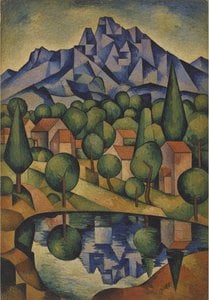
Explore the profound legacy of Paul Cézanne. Discover how his mastery of geometric forms and vibrant color bridged Impressionism and Cubism, offering timeless inspiration for fine art collectors and enthusiasts seeking to understand the foundations of modern art.

Explore the vibrant evolution of Post-Impressionism. From Seurat's revolutionary Pointillism to the emotional depth of masters, discover how this movement redefined modern art history through color, structure, and unparalleled creative expression.
 設置イメージを表示
 シェアする
シェアする シェアする
シェアする
 詳細を見る
詳細を見る ガイドを表示

 ダウンロード
 似ている作品
 X線調査
X線調査 スライドショーを表示
 Q&A
Q&A
 統計情報
統計情報

 詳細を表示
詳細を表示









 ガラスオプションは、110cm未満のサイズでのみご利用いただけます。


