

スピーディーな制作と多彩な仕上げオプションが魅力の、ミュージアムクオリティなジークレー・キャンバスプリント。 ( 手描きの複製画を注文する デジタル画像販売へ切り替え)





























作品のオリジナル比率に合わせた、当店の規定サイズからお選びください。

額縁や壁のスペースに合わせて、ご希望の幅と高さを入力してください。プリントはカットすることは可能ですが、元の画像より大きくすることはできないため、異なる比率のサイズを選択された場合は、画像の一部が欠けることになります。印刷を開始する前に、内容を確認していただくためのデジタルモックアップをお送りいたします。このページに表示されている画像は、実際のカット後の状態を示すものではありません。実際の仕上がりはモックアップにてご確認ください。
Self Portrait
複製画サイズ一覧
Paul Cézanne's 1885 self-portrait isn’t merely a likeness; it’s a profound meditation on art, identity, and the very nature of perception. Painted during a pivotal period in his artistic evolution – bridging the gap between Impressionism’s fleeting moments and the nascent explorations of Cubism – this oil on canvas offers an intimate glimpse into the mind of one of history's most influential artists. The painting immediately draws the viewer in with its quiet intensity, a stark contrast to the vibrant landscapes that would later define his career. Cézanne doesn’t offer a flamboyant display of ego; instead, he presents himself as a thoughtful observer, a man deeply engaged in the process of seeing and translating what he observes onto the canvas.

Cézanne’s style here is a masterful distillation of the Post-Impressionist movement, characterized by its deliberate brushstrokes and an almost sculptural approach to form. He abandons the Impressionists' pursuit of capturing fleeting light in favor of constructing a more enduring representation of reality. Notice how he employs planes of color – deep blues and blacks dominating the shirt, contrasted with the warmer tones of his face and hands – not as mere decoration but as fundamental building blocks. These aren’t blended seamlessly; rather, they retain their individual character, creating a sense of depth and volume that anticipates Cubism's fragmented forms. The repetitive, exploratory brushstrokes, visible throughout the canvas, are a hallmark of Cézanne’s technique—a deliberate attempt to dissect and rebuild his subject, revealing its underlying structure.
The bald head, accentuated by the black shirt and spectacles, contributes to an aura of solemn contemplation. It's a deliberate choice, suggesting a detachment from the external world, a focus on internal observation. The beard and mustache, rendered with meticulous detail, ground him in the present moment, anchoring his introspective gaze. The painting isn’t about vanity; it’s about confronting one’s own image – a process that Cézanne repeatedly engaged with throughout his life.
Cézanne's self-portraits emerged during a time of artistic ferment and critical skepticism. Initially, his work was met with incomprehension and ridicule; critics struggled to grasp his radical departure from traditional representation. However, fellow artists like Camille Pissarro and the influential art dealer Ambroise Vollard recognized Cézanne’s genius early on, championing his innovative approach. The 1895 solo exhibition at Vollard's gallery proved a turning point, bringing Cézanne’s work to a wider audience and paving the way for its eventual recognition as foundational to modern art. Remarkably, artists like Henri Matisse and Pablo Picasso have famously declared Cézanne “the father of us all,” acknowledging his profound influence on their own artistic development. His systematic approach to form—breaking down objects into geometric shapes and rebuilding them in a new arrangement—laid the groundwork for Cubism and countless subsequent movements.
Cézanne’s self-portrait is more than just a portrait; it's a philosophical statement about art itself. It embodies his belief that painting should strive to capture not merely what we see, but how we *perceive* the world. The somber mood and deliberate composition invite viewers to contemplate their own relationship with art and the act of seeing. Today, Cézanne’s introspective self-portraits continue to resonate deeply with audiences worldwide, offering a rare and poignant glimpse into the soul of one of history's most visionary artists. A reproduction on hand-painted canvas captures not only the visual details but also the emotional depth and intellectual rigor that define this extraordinary work.
セザンヌは、ポール・セザンヌ, ポール・エミール・セザンヌという別名でも知られています。
セザンヌ作「Self Portrait」はPortrait形式です。この形式は、構図の比率を表しています。
Living Roomでは、Self PortraitはLargeのプリントサイズでの展示をおすすめします。

1839 - 1906 , フランス
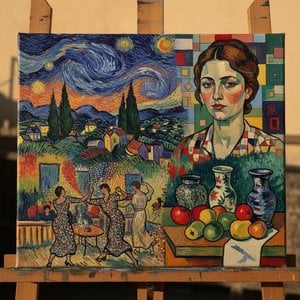
Unveil the profound revolution of Post-Impressionism. Explore how masters like Van Gogh and Cézanne utilized bold colors and emotional depth to transcend mere representation, laying the foundation for modern art. A sophisticated journey through history's most emotive brushstrokes.

Explore the transformative era of Post-Impressionism. Discover how masters like Cézanne and Matisse revolutionized color and form, moving beyond Impressionism to shape modern art history through structural innovation and expressive emotion.
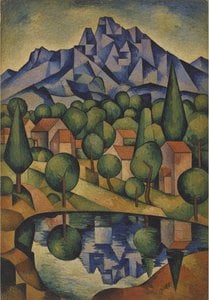
Explore the profound legacy of Paul Cézanne. Discover how his mastery of geometric forms and vibrant color bridged Impressionism and Cubism, offering timeless inspiration for fine art collectors and enthusiasts seeking to understand the foundations of modern art.

Explore the vibrant evolution of Post-Impressionism. From Seurat's revolutionary Pointillism to the emotional depth of masters, discover how this movement redefined modern art history through color, structure, and unparalleled creative expression.

印象派と後期印象派の決定的な違いを、光と色彩、そして感情の変遷から紐解くマスタークラス。モネやルノワールが捉えた「一瞬の光」から、ゴッホらが追求した「内なる情熱」まで、美術史の革命を専門家が解説します。WahooArtでは、巨匠たちの息吹を感じる高品質な手描き油彩複製画をご提供。あなたの空間に、美術館級のエレガンスと本物の芸術体験をお届けします。

 設置イメージを確認
 送る
送る シェア
シェア
 詳細情報
詳細情報 ガイドを表示

 画像をダウンロード
 似ている作品
 X線調査
X線調査 スライドショー
 Q&A
Q&A 統計情報
統計情報

 続きを読む
続きを読む









 ガラスオプションは、110cm未満のサイズでのみご利用いただけます。


