
x































作品のオリジナル比率に合わせた、当店の規定サイズからお選びください。

特定のフレームやスペースに合わせて、ご希望のサイズをご入力いただけます。選択されたサイズが元の画像の比率と異なる場合、アートワークをトリミングするか、手描きで要素を追加して絵画を拡張いたします。デジタルモックアップ を制作し、制作開始前にご確認(承認)をいただきます。
画面上のプレビューは、実際のトリミングや拡張を正確に反映しているものではありません。最終的な構図は、モックアップによってのみ正確にご確認いただけます。
カスタムサイズもご利用いただけますが、元の比率を維持するためには、あらかじめ用意されたリストからサイズを選択することをお勧めいたします。

Flowers and Fruit
複製画のサイズ
Paul Cézanne's Flowers and Fruit, painted around 1880, isn’t merely a depiction of objects arranged on a table; it’s a profound exploration of form, color, and the very essence of perception. This oil on canvas masterpiece, currently residing in the Musée de l'Orangerie in Paris, stands as a pivotal work bridging the Impressionist era with the nascent movements that would reshape 20th-century art – notably Cubism. Cézanne, a man deeply attuned to the natural world and relentlessly seeking new ways of representing it, crafted this scene not as a faithful rendering of reality, but as an exercise in distilling its fundamental elements.
The painting immediately draws the eye to the central figure: a vibrant pink rose, boldly displayed against a muted background. This isn’t a delicate, fleeting impression of a flower; it's a carefully constructed form, rendered with thick, deliberate brushstrokes that build up layers of color and texture. Cézanne wasn’t interested in capturing the ephemeral beauty of a blossom in a single moment; instead, he sought to reveal its underlying geometric structure – the circles, triangles, and planes that define its shape. The two oranges flanking the rose are treated with similar attention, their rounded forms simplified and emphasized through Cézanne's distinctive technique. A lemon adds a touch of yellow contrast, while a vase provides depth and anchors the composition. Notice how he uses overlapping planes and varying perspectives to create an illusion of three-dimensionality on a flat surface – a key characteristic of his evolving style.
Cézanne’s approach to color is revolutionary for its time. He moved beyond the pastel hues favored by Impressionists, embracing bolder, more saturated tones. The pink of the rose isn't a delicate blush; it’s a rich, almost sculptural shade, achieved through careful layering and manipulation of pigment. He uses complementary colors – orange and blue-green – to create visual tension and dynamism within the composition. This is evident in the interplay between the oranges and the background, as well as the subtle hints of green in the leaves and stems. Cézanne’s brushstrokes aren't blended smoothly; they retain their individual character, creating a sense of movement and energy throughout the painting. This deliberate roughness contributes to the feeling that we are witnessing an artist actively engaged in the process of creation.
Flowers and Fruit is a quintessential example of Post-Impressionism, a movement characterized by a rejection of Impressionist subjectivity and a renewed interest in formal structure. Cézanne’s work profoundly influenced artists like Picasso and Braque, who would later develop Cubism – an art form that further deconstructed objects into geometric forms. Cézanne's exploration of perspective, color theory, and the relationship between artist and subject laid the groundwork for many subsequent artistic innovations. His insistence on seeing the world as a collection of interlocking planes and volumes paved the way for abstraction.
WahooArt offers meticulously crafted, handmade oil painting reproductions of Flowers and Fruit, allowing art enthusiasts to experience the beauty and significance of this iconic work firsthand. Each reproduction is created by skilled artists who painstakingly recreate Cézanne’s unique style and technique, ensuring that you receive a faithful representation of the original masterpiece. Beyond simply owning an image, you acquire a tangible connection to one of the most influential figures in art history – a reminder of Cézanne's revolutionary vision and his enduring legacy. Explore our high-quality reproductions at here, and delve deeper into the world of Paul Cézanne at this link. For further context, you can visit the Musée de l'Orangerie in Paris: here.


1839 - 1906 , フランス

Explore the transformative era of Post-Impressionism. Discover how masters like Cézanne and Matisse revolutionized color and form, moving beyond Impressionism to shape modern art history through structural innovation and expressive emotion.

Master the nuances of Impressionism vs. Post-Impressionism with our expert guide. Explore the revolutionary shift from Monet’s fleeting light to Van Gogh’s emotional depth. Discover how these iconic movements continue to inspire fine art collectors and modern interiors today.
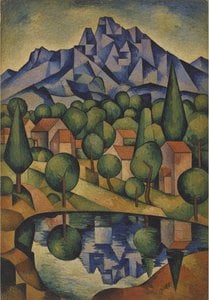
Explore the profound legacy of Paul Cézanne. Discover how his mastery of geometric forms and vibrant color bridged Impressionism and Cubism, offering timeless inspiration for fine art collectors and enthusiasts seeking to understand the foundations of modern art.

Unveil the profound revolution of Post-Impressionism. Explore how masters like Van Gogh and Cézanne utilized bold colors and emotional depth to transcend mere representation, laying the foundation for modern art. A sophisticated journey through history's most emotive brushstrokes.

Explore the structural genius of Paul Cézanne. Discover how his mastery of geometric form and color bridged Impressionism and Cubism in this definitive guide for art enthusiasts and collectors.


最新の美術ニュース、限定オファー、そしてインテリアのアイデアをいち早くお届けします。
お客様のプロジェクトについてお聞かせください。当社の美術専門家が、お客様に合わせた3つのパーソナライズされた芸術提案をご提供いたします。
あなたにぴったりの3作品を無料で厳選いたします


 プレビュー
プレビュー
 プリントを購入
 シェアする
シェアする シェアする
シェアする
 詳細を見る
詳細を見る

 ダウンロード
 似ている作品
 X線調査
X線調査 スライドショー


 詳細を見る
詳細を見る









 ガラスオプションは、110cm未満のサイズでのみご利用いただけます。


