

 Oil On CanvasWallArtPost-Impressionism
 1905
1905 59.0 x 80.0 cm
スピーディーな制作と多彩な仕上げオプションが魅力の、ミュージアムクオリティなジークレー・キャンバスプリント。 ( 手描きの複製画を注文する デジタル画像販売へ切り替え)





























作品のオリジナル比率に合わせた、当店の規定サイズからお選びください。

額縁や壁のスペースに合わせて、ご希望の幅と高さを入力してください。プリントはカットすることは可能ですが、元の画像より大きくすることはできないため、異なる比率のサイズを選択された場合は、画像の一部が欠けることになります。印刷を開始する前に、内容を確認していただくためのデジタルモックアップをお送りいたします。このページに表示されている画像は、実際のカット後の状態を示すものではありません。実際の仕上がりはモックアップにてご確認ください。
Bathers (8)
複製画サイズ一覧
「Bathers (8)」は、作品のX線解析ページにて、層ごとに詳しく観察することができます。このビューアは修復家のライトベンチに着想を得ており、画像の11層にわたる光学的な読み取りを可能にしています。
「Bathers (8)」は、Post-Impressionismのムーブメントにおいて、Reflectiveな情緒を湛えています。
セザンヌ作「Bathers (8)」の画像は、作品のダウンロードページからダウンロードいただけます:高解像度デジタル画像のダウンロード。

1839 - 1906 , フランス

Explore the transformative era of Post-Impressionism. Discover how masters like Cézanne and Matisse revolutionized color and form, moving beyond Impressionism to shape modern art history through structural innovation and expressive emotion.
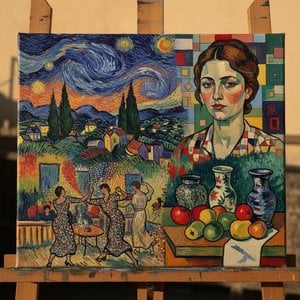
Unveil the profound revolution of Post-Impressionism. Explore how masters like Van Gogh and Cézanne utilized bold colors and emotional depth to transcend mere representation, laying the foundation for modern art. A sophisticated journey through history's most emotive brushstrokes.
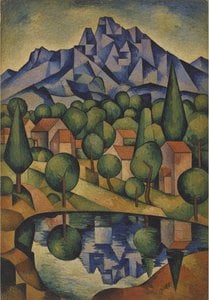
Explore the profound legacy of Paul Cézanne. Discover how his mastery of geometric forms and vibrant color bridged Impressionism and Cubism, offering timeless inspiration for fine art collectors and enthusiasts seeking to understand the foundations of modern art.

Explore the structural genius of Paul Cézanne. Discover how his mastery of geometric form and color bridged Impressionism and Cubism in this definitive guide for art enthusiasts and collectors.

印象派と後期印象派の決定的な違いを、光と色彩、そして感情の変遷から紐解くマスタークラス。モネやルノワールが捉えた「一瞬の光」から、ゴッホらが追求した「内なる情熱」まで、美術史の革命を専門家が解説します。WahooArtでは、巨匠たちの息吹を感じる高品質な手描き油彩複製画をご提供。あなたの空間に、美術館級のエレガンスと本物の芸術体験をお届けします。

 設置イメージを確認
 送る
送る シェア
シェア
 詳細情報
詳細情報 ガイドを表示

 画像をダウンロード
 似ている作品
 X線調査
X線調査 スライドショー
 統計情報
統計情報 続きを読む
続きを読む









 ガラスオプションは、110cm未満のサイズでのみご利用いただけます。


