

 Acrylic On CanvasWallArtPost-Impressionism
 1887
1887 38.0 x 50.0 cm
スピーディーな制作と多彩な仕上げオプションが魅力の、ミュージアムクオリティなジークレー・キャンバスプリント。 ( 手描きの複製画を注文する デジタル画像販売へ切り替え)





























作品のオリジナル比率に合わせた、当店の規定サイズからお選びください。

特定のフレームやスペースに合わせて、ご自身でサイズを指定することも可能です。選択されたサイズが元の画像の比率と一致しない場合、作品をトリミングするか、鏡面反射または単色での塗りつぶしによって画像を拡張いたします。制作を開始する前に、ご確認用のデジタルモックアップをお送りいたします。
画面上のプレビューには、実際のトリミングや拡張は反映されませんのでご注意ください。最終的な構図を正確に確認できるのは、モックアップのみとなります。
カスタムサイズも承っておりますが、元の比率を維持するためには、あらかじめ用意されたリストからサイズを選択することをお勧めいたします。
Bather
複製画サイズ一覧
セザンヌ作「Bather」は、Balanced Harmonyな色彩の調和を見せています。
セザンヌ作「Bather」に関連する芸術運動はPost-Impressionismです。この分類により、本作は関連する他の芸術家や作品群の中に位置づけられます。
「Bather」は、1887年にAcrylic On Canvasで制作されました。
セザンヌ作「Bather」はPortrait形式です。この形式は、構図の比率を表しています。
「Bather」では、Sereneな対比とBalanced Harmonyな調和が共存しています。
「Bather」の彩度はBalancedです。彩度とは、色の鮮やかさの度合いを表します。
「Bather」はAcrylic On Canvasで制作されており、原寸は38 x 50 cmです。
「Bather」は、セザンヌの他の作品と同様に、Post-Impressionism様式と、描き続けられてきたテーマであるbridging impressionism & cubism, classical art echoes, exploring human form, landscape harmony, formal structure emphasis, revolutionary vision, key piece in cézanne's legacyを共有しています。

1839 - 1906 , フランス

Explore the transformative era of Post-Impressionism. Discover how masters like Cézanne and Matisse revolutionized color and form, moving beyond Impressionism to shape modern art history through structural innovation and expressive emotion.

Explore the vibrant evolution of Post-Impressionism. From Seurat's revolutionary Pointillism to the emotional depth of masters, discover how this movement redefined modern art history through color, structure, and unparalleled creative expression.
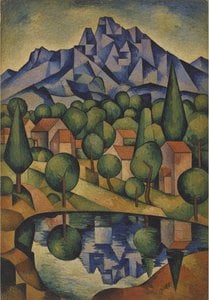
Explore the profound legacy of Paul Cézanne. Discover how his mastery of geometric forms and vibrant color bridged Impressionism and Cubism, offering timeless inspiration for fine art collectors and enthusiasts seeking to understand the foundations of modern art.

Unveil the profound revolution of Post-Impressionism. Explore how masters like Van Gogh and Cézanne utilized bold colors and emotional depth to transcend mere representation, laying the foundation for modern art. A sophisticated journey through history's most emotive brushstrokes.

Discover the profound emotional depth of Post-Impressionist landscapes. Explore how masters like Van Gogh revolutionized art through vibrant color, textured impasto, and symbolic expression in this expert guide to the movement that redefined modern art history.

 設置イメージを確認
 送る
送る シェア
シェア
 詳細情報
詳細情報 ガイドを表示

 画像をダウンロード
 似ている作品
 X線調査
X線調査 スライドショー
 統計情報
統計情報 続きを読む
続きを読む









 ガラスオプションは、110cm未満のサイズでのみご利用いただけます。


