x


 Oil On CanvasWallArtRomanticism
 186719th Century
 57.0 x 36.0 cm
オンラインプレビューをはるかに凌ぐ、高解像度で鮮明なデジタル画像をご購入いただけます。
各ファイルは、社内の専門家が高度なツールと熟練した手作業によるレタッチを用いて、細心の注意を払って準備されています。すべての画像において、卓越した鮮明度、正確な色彩再現性、そして繊細なディテールを保証いたします。
最終ファイルは、プロフェッショナルな編集・印刷環境ですぐにご利用いただけるよう最適化された状態で、72時間以内にメールにてお届けいたします。これは、一流のデザインスタジオ、出版社、ギャラリーから信頼されているものと同等の品質です。
WahooArt.com を選ぶことは、単に画像を手に入れることではありません。それは、プロの手によって精密に仕上げられ、満足保証が付いた高品質なデジタルアートワークを受け取ることを意味します。ご注文いただいた際に自動的に付随する内容は、以下の通りです:

ご注文から72時間以内に、高解像度のデジタル画像ファイルがメールでお手元に届きます。すぐにそのままご利用いただけます。

お客様の作品は、高度なAIツールと専門家による手作業の編集を組み合わせてプロフェッショナルに最適化されており、細部のディテール、鮮明さ、そして正確な色再現性を最大限に引き出しています。

ファイルを誤って削除したり、紛失してしまったりしましたか?ご安心ください。いつでも無料で再送いたします。

関税や手数料、配送料を気にすることなく、お気に入りのアートワークをすぐにお楽しみいただけます。デジタルダウンロードは常に免税です。

プロ仕様のツールとカラーマネジメント技術を用いることで、デジタル画像が元の色を最大限に忠実に再現することを保証いたします。

ご購入いただいたデジタル画像にご満足いただけない場合は、60日以内であれば、修正または100%の返金(理由を問う必要はありません)をさせていただきます。

ご満足いただけない場合は、デジタルファイルを受け取ってから60日以内であれば、理由を問わず全額返金いたします。

3枚購入で10%OFF - 5枚購入で15%OFF - 10枚以上購入で20%OFF。クリエイティブなプロジェクト、ギャラリー、エージェンシーに最適です。
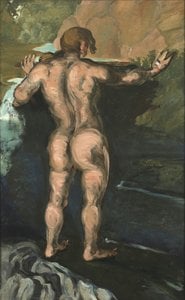
Paul Cézanne’s "Amour in Plaster," painted in 1867, offers a fascinating window into the artist's early development and his exploration of Romantic themes. This oil-on-canvas work (57 x 36 cm) depicts a plaster statue of a nude woman with her back to the viewer, leaning against what appears to be a tree or wall within a garden setting. The painting is characterized by its delicate handling of light and shadow, creating an atmosphere of quiet contemplation and subtle sensuality.
The central focus of "Amour in Plaster" is the statue itself, rendered with remarkable detail despite its seemingly fragile material. Cézanne’s attention to the woman's hair, which appears windblown, adds a sense of movement and life to the otherwise static form. The surrounding environment—the leaves visible on the tree or wall—introduces an element of natural beauty that contrasts with the artificiality of the plaster statue. The choice of a plaster figure is significant; it suggests a fleeting beauty, a temporary representation of ideal feminine form, hinting at themes of fragility and impermanence often explored in Romantic art.
"Amour in Plaster" exemplifies Cézanne's transitional style, blending elements of Romanticism with emerging realist tendencies. While the subject matter—a nude female figure in a natural setting—is rooted in Romantic tradition, Cézanne’s approach to depicting form and light demonstrates a move towards greater objectivity. Unlike the dramatic narratives often found in Romantic paintings, "Amour in Plaster" presents a more introspective scene, inviting viewers to contemplate the beauty of the statue and its relationship to the surrounding environment. Early influences on Cézanne included artists like Gustave Courbet, whose realist approach emphasized depicting subjects as they appeared in everyday life, and the Barbizon school painters who focused on capturing the effects of light and atmosphere in landscapes.
Created during a period when Cézanne was still finding his artistic voice, "Amour in Plaster" represents an important step in his development towards the groundbreaking innovations that would later define his mature style. This work predates his full embrace of Impressionism and his eventual pioneering role in Cubism. It’s considered part of his “dark period,” a time when he experimented with darker palettes and more introspective themes. Understanding this painting within Cézanne's broader artistic trajectory reveals its significance as a bridge between the Romantic past and the modernist future.
"Amour in Plaster" evokes a sense of quiet melancholy and understated beauty. The statue’s turned back invites viewers to project their own emotions and interpretations onto the scene, creating a deeply personal experience. The painting's subtle use of light and shadow enhances its emotional depth, drawing the viewer into a world of contemplation and introspection. This work, though less celebrated than some of Cézanne’s later masterpieces, remains a testament to his early talent and foreshadows the revolutionary artistic vision that would profoundly influence generations of artists to come.

1839 - 1906 , フランス


最新の美術ニュース、限定オファー、そしてインテリアのアイデアをいち早くお届けします。
お客様のプロジェクトについてお聞かせください。当社の美術専門家が、お客様に合わせた3つのパーソナライズされた芸術提案をご提供いたします。
あなたにぴったりの3作品を無料で厳選いたします


 プレビュー
プレビュー
 プリントを購入
 シェアする
シェアする シェアする
シェアする
 詳細を見る
詳細を見る

 ダウンロード
 似ている作品
 X線調査
X線調査 スライドショー
 詳細を見る
詳細を見る