x


 EtchingWallArtPost-Impressionism
 20.0 x 19.0 cm
 Hammer Museum
迅速な制作と多彩な仕上げオプションを備えた、ミュージアムクオリティのジークレーまたはキャンバスプリント。 ( 手描きの絵画を購入 画像を購入)





























作品のオリジナル比率に合わせた、当店の規定サイズからお選びください。

特定のフレームやスペースに合わせて、ご自身でサイズを指定することも可能です。選択されたサイズが元の画像の比率と一致しない場合、作品をトリミングするか、鏡面反射または単色での塗りつぶしによって画像を拡張いたします。制作を開始する前に、ご確認用のデジタルモックアップをお送りいたします。
画面上のプレビューには、実際のトリミングや拡張は反映されませんのでご注意ください。最終的な構図を正確に確認できるのは、モックアップのみとなります。
カスタムサイズも承っておりますが、元の比率を維持するためには、あらかじめ用意されたリストからサイズを選択することをお勧めいたします。

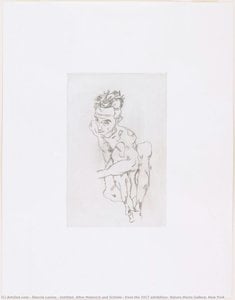
The Mirror
複製画のサイズ
Paul César Helleu's "The Mirror," created around 1895, is more than just a portrait; it’s a meticulously crafted window into the social and psychological landscape of late 19th-century France. This drypoint etching, housed within the Hammer Museum at UCLA, captures a moment of quiet contemplation – two women observing each other through a shimmering mirror, their gazes holding a complex blend of curiosity, judgment, and perhaps even a touch of melancholy. Helleu, a master of his craft, expertly utilizes the limitations of printmaking to create an image brimming with subtle detail and emotional resonance.
Helleu’s genius lies in his command of drypoint etching – a technique he embraced after encountering the work of James Jacques Tissot. Unlike traditional engraving, drypoint involves scratching directly into a metal plate with a needle, creating a delicate, velvety texture known as “burr.” This burr then picks up ink, resulting in rich tonal variations and an immediate sense of depth. In "The Mirror," this technique is brilliantly employed to render the women’s clothing, the intricate folds of their garments, and the reflective surface itself with astonishing realism. The varying line weights – from delicate hairlines to bold, decisive strokes – create a dynamic interplay of light and shadow, drawing the viewer's eye into the scene and imbuing it with a palpable sense of atmosphere.
“The Mirror” is firmly rooted in the Belle Époque – an era defined by opulent luxury, rapid industrialization, and a burgeoning fascination with modernity. Helleu’s portraits of this period are renowned for their ability to capture not just physical likeness but also the social standing and inner lives of his subjects. The women depicted here belong to the fashionable elite, their attire reflecting the latest trends – elaborate gowns, delicate jewelry, and carefully coiffed hairstyles. The setting, though somewhat ambiguous, suggests a refined interior space—likely a salon or drawing room—a typical environment for socializing and observing others. Helleu’s skill lies in his ability to convey this sense of social context through subtle details: the arrangement of furniture, the positioning of the mirror, and the women's own postures and expressions.
The central image—the mirror itself—is far more than a simple reflective surface. It functions as a potent symbol, inviting multiple interpretations. Mirrors have long been associated with introspection, self-perception, and the duality of identity. In this context, it suggests that each woman is not only observing the other but also contemplating her own reflection – her appearance, her social position, and perhaps even her inner thoughts. The act of looking into a mirror can be both revealing and deceptive, highlighting the complexities of human relationships and the often-contradictory nature of self-awareness. The composition subtly reinforces this idea; the mirroring effect creates a sense of circularity, suggesting an endless cycle of observation and judgment.
Paul César Helleu's “The Mirror” stands as a testament to his exceptional talent and his deep understanding of the Belle Époque aesthetic. His meticulous attention to detail, combined with his masterful command of drypoint etching, results in an image that is both visually stunning and emotionally resonant. Reproductions of this captivating artwork offer a unique opportunity to bring a touch of Parisian elegance into any space – a reminder of a bygone era and the enduring power of visual storytelling. Consider commissioning a high-quality print from WahooArt.com to experience the full beauty and nuance of Helleu’s masterpiece.

ポール・セザール・エルーは、1859年、フランス・ブルターニュ地方のヴァンヌに生を受けました。税関吏であった父を、エルーがまだ十代の頃に亡くすという困難な境遇にありましたが、芸術への情熱を抱く彼の志を止めることはできませんでした。母の不安をよそに、彼は若き日の野心を追い求めてパリへと渡ります。シャプタル高校で学び、驚くべきことにわずか16歳にして名門エコール・デ・ボザールへの入学を果たしました。そこで彼は、ジャン=レオン・ジェロームという巨匠のもとで、正統な芸術教育を授かったのです。
エルーの芸術人生における決定的な転換点となったのは、1876年の第2回印象派展での出会いでした。ジョン・シンガー・サージェント、ジェームズ・マクニール・ウィスラー、そしてクロード・モネといった画家たちの存在が、彼の感性に深い衝撃を与えました。伝統的なアトリエでの制作手法とは一線を画す、革新的な技法や屋外の光を捉える彼らのアプローチに、エルーは心を奪われたのです。
キャリアの初期、エルーは自らの生計を立てるため、テオドール・デックの陶磁器工房で装飾皿に手描きを施す仕事に従事していました。この経験が、彼の技術的な基礎をより強固なものへと磨き上げました。その後、鮮烈なスタイルで知られる肖像画家ジョヴァンニ・ボルドーニとの出会いと師事によって、彼の芸術的進路は劇的な変化を遂げます。ボルドーニの存在は、エルーの表現に決定的な方向性を与えました。
また、ジョン・シンガー・サージェントとは生涯続く深い友情を育みました。サージェントによる励ましと支援は、エルーの初期のキャリアにおいて極めて重要な役割を果たしました。さらに、エルーの作品を象徴する大きな特徴となったのが、ドライポイント・エッチングにおける卓越した技術です。ジェームズ・ジャック・ティソからこの技法を伝授された彼は、瞬く間にその達人となり、パステル画と同様のダイナミズムと洗練された美しさを、銅版画の世界においても実現してみせたのです。
エルーの名を世に知らしめたのは、ベル・エポック時代のパリ社交界を彩った、優雅な女性たちの肖像画でした。マルボロ公爵夫人、マルケサ・カサティ、ベル・ダ・コスタ・グリーン、ルイーズ・シェリュイ、そしてヘレナ・ルーベンシュタインといった著名な人々がその主題となりました。洗練された気品とともに、彼女たちの美しさと優雅さを捉える彼の類まれなる才能は、広く世界的な称賛を浴びることとなりました。
ポール・セザール・エルーの作品は、楽観主義、優雅さ、そして芸術的革新に満ちた「ベル・エポック」の精神そのものを体現しています。彼の描く肖像画は、この時代におけるパリ社交界の華やかな生活やファッションを垣間見ることができる、極めて貴重な窓となっています。
エルーの作品は、パリのオルセー美術館やルーヴル美術館をはじめ、ロンドンのテート、ニューヨークのメトロポリタン美術館など、世界中の主要な美術館に収蔵され、今なお輝きを放っています。

1859 - 1927 , フランス

Embark on a sophisticated journey through art history's most captivating masterpieces of reflection. Explore how legendary artists used mirrors to explore identity, surrealism, and the soul through expert art historical analysis.
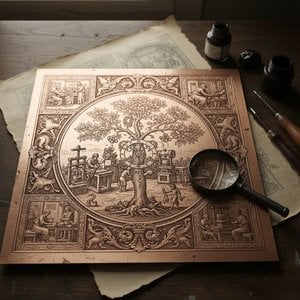
Explore the intricate world of etching and intaglio printmaking. Discover how masters use acid and metal to create profound textures and lines, from Romanticism to modern era, through an expert lens of art history and technical mastery.

Explore the profound symbolism of mirrors in fine art history. From Surrealist distortions to Vanitas themes, discover how masters use reflections to capture reality and the metaphysical soul.
Explore the profound symbolism of mirror images in fine art. From Surrealist distortions to classical self-portraits, discover how masters use reflections to explore reality, identity, and the infinite through a sophisticated art-historical lens.
Explore the profound symbolism of mirror art through a journey of Surrealist mastery. From Dalí's fractured realities to technical brilliance, discover how reflections redefine art history and inspire sophisticated modern collections.


最新の美術ニュース、限定オファー、そしてインテリアのアイデアをいち早くお届けします。
お客様のプロジェクトについてお聞かせください。当社の美術専門家が、お客様に合わせた3つのパーソナライズされた芸術提案をご提供いたします。
あなたにぴったりの3作品を無料で厳選いたします


 プレビュー
プレビュー
 シェアする
シェアする シェアする
シェアする
 詳細を見る
詳細を見る

 ダウンロード
 似ている作品
 X線調査
X線調査 スライドショー
 詳細を見る
詳細を見る









 ガラスオプションは、110cm未満のサイズでのみご利用いただけます。