


 EtchingWallArtMannerist Painting
 331.0 x 240.0 cm
 グラフィュースケ・サマルイナ・アルベリナ
迅速な制作と多彩な仕上げオプションを備えた、ミュージアムクオリティのジークレーまたはキャンバスプリント。 ( 手描きの絵画を購入 画像を購入)





























作品のオリジナル比率に合わせた、当店の規定サイズからお選びください。

特定のフレームやスペースに合わせて、ご自身でサイズを指定することも可能です。選択されたサイズが元の画像の比率と一致しない場合、作品をトリミングするか、鏡面反射または単色での塗りつぶしによって画像を拡張いたします。制作を開始する前に、ご確認用のデジタルモックアップをお送りいたします。
画面上のプレビューには、実際のトリミングや拡張は反映されませんのでご注意ください。最終的な構図を正確に確認できるのは、モックアップのみとなります。
カスタムサイズも承っておりますが、元の比率を維持するためには、あらかじめ用意されたリストからサイズを選択することをお勧めいたします。

Deposition
複製画のサイズ
Parmigianino's "Deposition," a haunting etching from around 1540, isn’t merely a depiction of a biblical scene; it’s an exquisitely rendered meditation on grief, loss, and the profound weight of human suffering. Created during the tumultuous transition between the High Renaissance and Mannerism, this work embodies the stylistic shift towards heightened emotion, elongated forms, and a deliberate distortion of reality that would define the era. The piece immediately draws the viewer into a scene saturated with sorrow – a palpable atmosphere of mourning hangs heavy over the figures arranged within its tightly constructed composition.
The subject itself—the removal of Christ’s body from the cross—is one steeped in religious significance, yet Parmigianino elevates it beyond simple narrative. He doesn't offer a triumphant resurrection or a heroic sacrifice; instead, he presents a raw and vulnerable portrayal of the immediate aftermath. The figures surrounding the prone form of Jesus are not idealized saints but ordinary individuals – mourners, family members, and witnesses to this devastating event—each etched with expressions of profound grief. Their postures, subtly elongated and deliberately unbalanced, reflect the instability and emotional turmoil at the heart of the scene.
Parmigianino’s mastery lies in his command of etching technique. The intricate network of fine lines, meticulously rendered with astonishing precision, creates a remarkable sense of texture and depth. Cross-hatching is employed liberally to build up areas of shadow, lending the scene an almost sculptural quality. Notice how the artist uses varying line weights – bold strokes defining the contours of clothing and faces, delicate tracings suggesting the folds of fabric and the fragility of human form. This deliberate manipulation of line isn’t about realistic representation; it's about conveying emotion and atmosphere through a carefully orchestrated visual language.
Beyond its technical brilliance, “Deposition” is rich in symbolic meaning. The cloudy sky above—a recurring motif in Parmigianino’s work—evokes a sense of foreboding and impending doom. The landscape below, rendered with stark simplicity, provides a desolate backdrop to the scene of mourning. The figures themselves are not simply witnesses; they represent humanity's shared experience of loss and vulnerability. The overall effect is profoundly moving, inviting viewers to contemplate the nature of grief, faith, and mortality.
“Deposition” stands as a testament to Parmigianino’s artistic genius and his pivotal role in shaping the course of Mannerist painting. Reproductions offer an accessible way to experience this extraordinary work, allowing its beauty and emotional depth to be appreciated by a wider audience. When selecting a reproduction, consider the quality of the print – archival materials and meticulous attention to detail are essential to faithfully capturing the nuances of Parmigianino’s original etching. This piece remains a powerful reminder of the enduring capacity of art to evoke profound emotions and illuminate the complexities of the human condition.


1503 - 1540 , イタリア
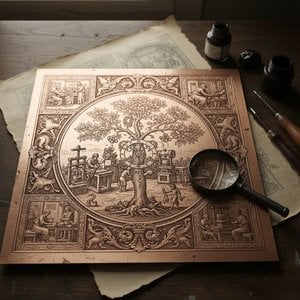
Explore the intricate world of etching and intaglio printmaking. Discover how masters use acid and metal to create profound textures and lines, from Romanticism to modern era, through an expert lens of art history and technical mastery.

Explore the dramatic evolution of Northern Mannerism. Discover how masters like Bosch and Grünewald transitioned from Renaissance harmony to profound, elegant distortion through an expert analysis of symbolism, emotional intensity, and artistic innovation.

Unveil the captivating world of Mannerism. Our expert analysis explores the transition from Renaissance harmony to the profound, elegant distortions of masters like El Greco, offering deep insights into one of art history's most influential and enigmatic eras.


 プレビュー
プレビュー
 シェアする
シェアする シェアする
シェアする
 詳細を見る
詳細を見る

 ダウンロード
 似ている作品
 X線調査
X線調査 スライドショー
 詳細を見る
詳細を見る









 ガラスオプションは、110cm未満のサイズでのみご利用いただけます。


