
x


 Oil On CanvasWallArtBaroque
 219.0 x 170.0 cm
 フリック・コレクション
オンラインプレビューをはるかに凌ぐ、高解像度で鮮明なデジタル画像をご購入いただけます。
各ファイルは、社内の専門家が高度なツールと熟練した手作業によるレタッチを用いて、細心の注意を払って準備されています。すべての画像において、卓越した鮮明度、正確な色彩再現性、そして繊細なディテールを保証いたします。
最終ファイルは、プロフェッショナルな編集・印刷環境ですぐにご利用いただけるよう最適化された状態で、72時間以内にメールにてお届けいたします。これは、一流のデザインスタジオ、出版社、ギャラリーから信頼されているものと同等の品質です。
WahooArt.com を選ぶことは、単に画像を手に入れることではありません。それは、プロの手によって精密に仕上げられ、満足保証が付いた高品質なデジタルアートワークを受け取ることを意味します。ご注文いただいた際に自動的に付随する内容は、以下の通りです:

ご注文から72時間以内に、高解像度のデジタル画像ファイルがメールでお手元に届きます。すぐにそのままご利用いただけます。

お客様の作品は、高度なAIツールと専門家による手作業の編集を組み合わせてプロフェッショナルに最適化されており、細部のディテール、鮮明さ、そして正確な色再現性を最大限に引き出しています。

ファイルを誤って削除したり、紛失してしまったりしましたか?ご安心ください。いつでも無料で再送いたします。

関税や手数料、配送料を気にすることなく、お気に入りのアートワークをすぐにお楽しみいただけます。デジタルダウンロードは常に免税です。

プロ仕様のツールとカラーマネジメント技術を用いることで、デジタル画像が元の色を最大限に忠実に再現することを保証いたします。

ご購入いただいたデジタル画像にご満足いただけない場合は、60日以内であれば、修正または100%の返金(理由を問う必要はありません)をさせていただきます。

ご満足いただけない場合は、デジタルファイルを受け取ってから60日以内であれば、理由を問わず全額返金いたします。

3枚購入で10%OFF - 5枚購入で15%OFF - 10枚以上購入で20%OFF。クリエイティブなプロジェクト、ギャラリー、エージェンシーに最適です。
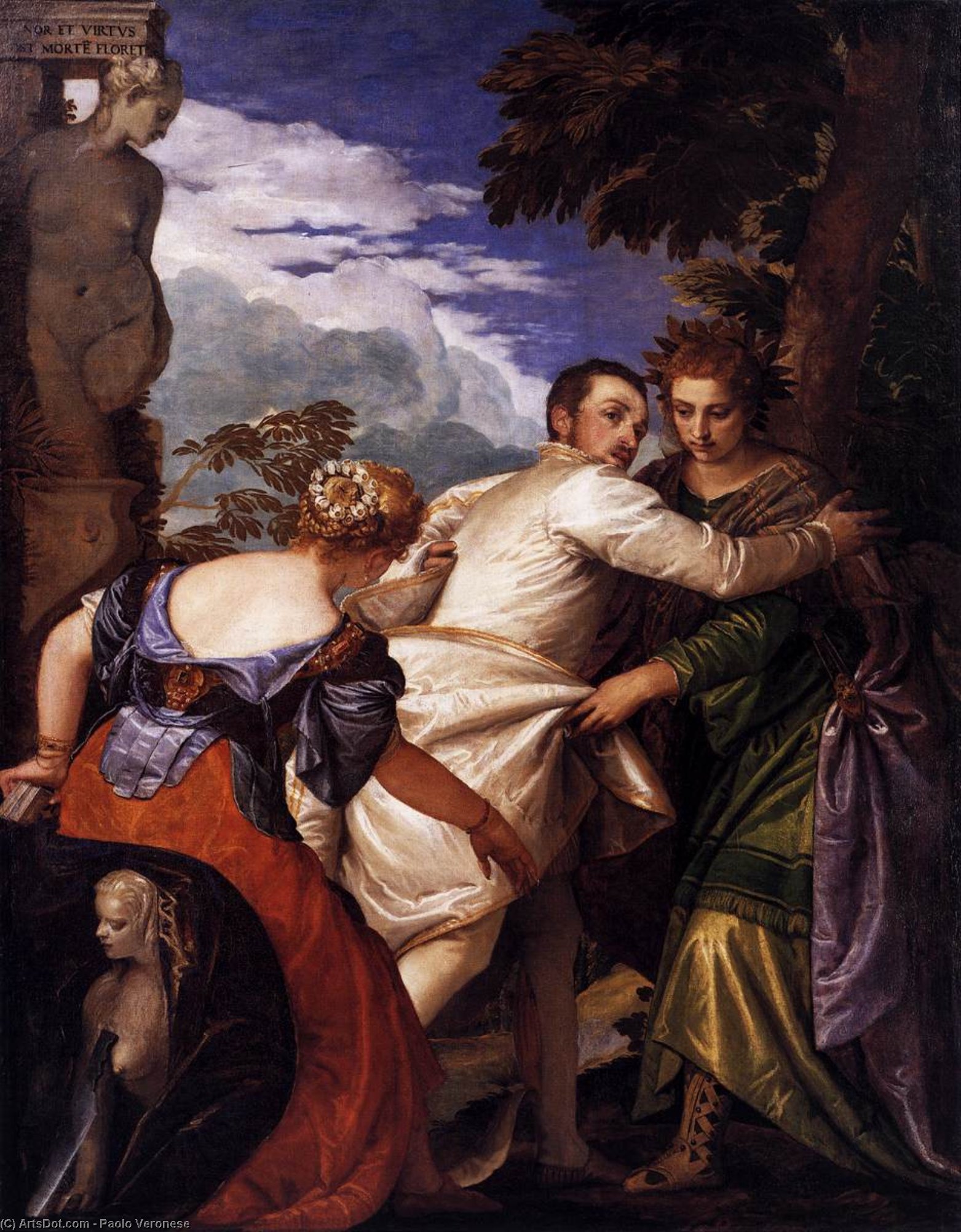
Paolo Veronese’s “Honor et Virtus post mortem floret,” painted in 1567, is more than just a visually stunning depiction of an embrace; it's a profound allegory exploring the eternal struggle between virtue and vice. Originating from the vibrant heart of Venice during the High Renaissance, this oil on canvas masterpiece transcends its historical context to resonate with viewers today through its timeless themes of moral choice and the pursuit of honor. Veronese, a master of color, composition, and opulent spectacle, elevates the scene beyond a simple portrait, transforming it into a dynamic visual narrative that speaks volumes about human nature.
The painting immediately captivates with its scale – measuring 219 x 170 cm – and its lavish detail. Veronese, known for his dramatic use of light and shadow, employs a masterful chiaroscuro technique to sculpt the figures and create a sense of depth within the richly textured garden setting. The background is a meticulously rendered Venetian landscape, complete with architectural elements and lush foliage, providing a vibrant counterpoint to the central drama unfolding before us. Notice the subtle variations in color – the deep greens of the plants, the warm hues of the stone, and the rich reds and golds adorning the figures’ clothing – all contributing to the painting's overall sense of opulence and grandeur.
At the heart of “Honor et Virtus post mortem floret” lies a complex allegory rooted in classical philosophy. The central figure, identified as Hercules by some scholars, is presented in a moment of profound indecision. He stands poised between two women – one embodying Virtue and the other representing Vice. This isn’t a simple depiction of good versus evil; rather, it's a nuanced exploration of temptation and moral fortitude. The inscription at the top of the painting, “Honor et Virtus post mortem floret” (Honor and Virtue flourish after death), serves as a potent reminder of the lasting consequences of our choices.
Virtue, crowned with a laurel wreath – a symbol of victory and achievement – extends her hand towards Hercules, offering him guidance and righteousness. Conversely, Vice, cloaked in shadows and adorned with symbols of pleasure and indulgence (a dagger and a sphinx statue), attempts to lure him into a world of fleeting gratification. The visual tension between these two figures is palpable, creating a dramatic interplay that draws the viewer’s eye and invites contemplation about the choices we face in our own lives.
To fully appreciate “Honor et Virtus post mortem floret,” it’s crucial to understand its historical context. Venice, during the 16th century, was a thriving center of art and commerce, boasting a unique blend of classical influences and Renaissance innovation. Veronese, born in Verona but firmly established in Venice, expertly absorbed these diverse artistic traditions, creating a style that is both deeply rooted in Venetian heritage and distinctly his own. His works are characterized by their scale, lavish detail, and masterful use of color – qualities that earned him the admiration of patrons like Emperor Rudolph II and Queen Christina of Sweden.
This particular painting reflects Veronese’s shift towards allegorical subjects, a departure from his earlier historical and biblical scenes. It showcases his growing interest in philosophical themes and his willingness to experiment with new compositional techniques. The influence of Titian, particularly his mastery of color and atmospheric perspective, is evident throughout the work, yet Veronese maintains a unique artistic voice that distinguishes him as one of Venice’s greatest masters.
“Honor et Virtus post mortem floret” continues to resonate with viewers centuries after its creation. Its depiction of moral struggle and the allure of temptation speaks to universal human experiences, prompting us to reflect on our own values and choices. The painting’s dramatic composition, vibrant colors, and intricate details create a powerful emotional impact, drawing us into the scene and inviting us to contemplate the eternal conflict between virtue and vice. It's a testament to Veronese’s artistic genius – a masterpiece that transcends its historical context to offer timeless insights into the complexities of human nature.


1528 - 1588 , イタリア


最新の美術ニュース、限定オファー、そしてインテリアのアイデアをいち早くお届けします。
お客様のプロジェクトについてお聞かせください。当社の美術専門家が、お客様に合わせた3つのパーソナライズされた芸術提案をご提供いたします。
あなたにぴったりの3作品を無料で厳選いたします

 プレビュー
プレビュー
 プリントを購入
 シェアする
シェアする シェアする
シェアする
 詳細を見る
詳細を見る

 ダウンロード
 似ている作品
 X線調査
X線調査 スライドショー
 詳細を見る
詳細を見る


