

スピーディーな制作と多彩な仕上げオプションが魅力の、ミュージアムクオリティなジークレー・キャンバスプリント。 ( 手描きの複製画を注文する デジタル画像販売へ切り替え)





























作品のオリジナル比率に合わせた、当店の規定サイズからお選びください。

特定のフレームやスペースに合わせて、ご自身でサイズを指定することも可能です。選択されたサイズが元の画像の比率と一致しない場合、作品をトリミングするか、鏡面反射または単色での塗りつぶしによって画像を拡張いたします。制作を開始する前に、ご確認用のデジタルモックアップをお送りいたします。
画面上のプレビューには、実際のトリミングや拡張は反映されませんのでご注意ください。最終的な構図を正確に確認できるのは、モックアップのみとなります。
カスタムサイズも承っておりますが、元の比率を維持するためには、あらかじめ用意されたリストからサイズを選択することをお勧めいたします。

Paysage aux deux figures
複製画サイズ一覧
Paysage aux deux figures (Landscape with Two Figures) represents a crucial juncture in Pablo Picasso’s artistic development, offering a compelling glimpse into the nascent stages of Cubism. Created around 1909-1910 – a period defined by radical experimentation – this work bridges his earlier styles with the revolutionary aesthetic that would define much of the 20th century.
The painting depicts two figures traversing a wooded landscape. However, Picasso doesn’t aim for realistic representation. Instead, he subtly dismantles traditional perspective and form. The figures are suggested rather than explicitly rendered, constructed from simplified shapes and planes that seamlessly integrate with the surrounding trees. A dominant tree anchors the composition in the background, its branches reaching upwards, while two smaller trees provide a foreground counterpoint. This deliberate fragmentation is characteristic of Picasso’s evolving style.
Paysage aux deux figures exemplifies Picasso's Analytical Cubism phase. Notice how he breaks down objects into geometric forms, presenting multiple viewpoints simultaneously – a radical departure from traditional single-perspective representation. The color palette is deliberately restrained, dominated by earthy tones of greens, browns, and ochres. This limited range reinforces the painting’s harmonious connection to nature while emphasizing form over vibrant color. Unlike later Synthetic Cubist works that incorporated collage, this piece relies solely on painterly means to achieve its deconstructed aesthetic.
The early 20th century was a period of immense intellectual and artistic upheaval. Influenced by scientific advancements – such as Einstein’s theory of relativity – and philosophical shifts, artists began to question traditional methods of representation. Picasso, alongside Georges Braque, sought not merely to *depict* reality but to explore the very *structure* of perception itself. This painting is a vital step in that journey, marking his decisive break from earlier periods like the Rose and Blue Periods.
While fragmented, Paysage aux deux figures evokes a sense of quiet contemplation and connection to the natural world. The simplification of forms doesn’t diminish emotional impact; rather, it invites active participation from the viewer in reconstructing the scene and interpreting its meaning. The ambiguity surrounding the relationship between the two figures – are they walking together or apart? – adds a layer of psychological depth, prompting reflection on themes of companionship, solitude, and the human condition.
This painting would be stunning within a modern or contemporary interior that embraces natural materials and textures. Consider pairing it with furniture featuring clean lines and organic shapes to complement its geometric forms. Neutral wall colors will allow the artwork’s subtle palette to truly shine. Museum-quality lighting is essential to highlight the nuances of Picasso's brushwork and color choices. Allow ample viewing distance to fully appreciate the painting’s complex composition.
Paysage aux deux figures isn’t simply a landscape; it is a testament to Picasso's genius and his revolutionary contribution to modern art. It remains a captivating piece that continues to inspire, challenge, and provoke thought in viewers today – a powerful reminder of the transformative power of artistic innovation.

1881 - 1973 , スペイン

Explore the revolutionary world of Cubist portraiture. From Picasso's fragmented forms to Malevich's geometric abstraction, discover how this movement redefined perspective and remains a premier choice for discerning art collectors seeking modernist mastery.

Explore the profound impact of Cubism on modern art. Our expert guide delves into the revolutionary techniques of Picasso and Braque, offering collectors deep insights into deconstructing form, perspective, and the enduring legacy of the Cubist movement.
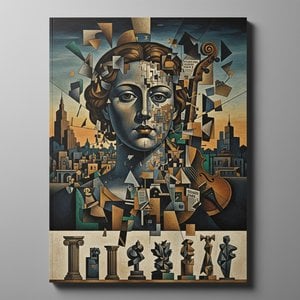
Master the complexities of Cubism with our expert guide. Explore the revolutionary fragmentation of Picasso and Braque, from Analytic to Synthetic styles, and learn how to evaluate these profound modernist masterpieces for your private collection.
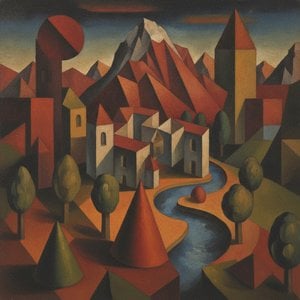
Explore the profound evolution of Cubist landscapes. Discover how masters like Braque and Picasso redefined perspective through geometric mastery, transforming nature into an intellectual mosaic of form and light for the discerning modern art collector.

Explore the profound evolution of Cubism through an expert analysis of Pablo Picasso's revolutionary works. From Analytical to Synthetic Cubism, discover the techniques that redefined modern art and learn how to curate these iconic masterpieces for your private collection.

 設置イメージを確認
 送る
送る シェア
シェア
 詳細情報
詳細情報 ガイドを表示

 画像をダウンロード
 似ている作品
 X線調査
X線調査 スライドショー
 統計情報
統計情報

 続きを読む
続きを読む









 ガラスオプションは、110cm未満のサイズでのみご利用いただけます。


