
当社のアーティストが、お客様のご希望のサイズと額縁に合わせて、キャンバスに手描きで制作する油彩画です。 ( プリント版に切り替え デジタル画像販売へ切り替え)





























作品のオリジナル比率に合わせた、当店の規定サイズからお選びください。

特定のフレームやスペースに合わせて、ご希望のサイズをご入力いただけます。選択されたサイズが元の画像の比率と異なる場合、アートワークをトリミングするか、手描きで要素を追加して絵画を拡張いたします。デジタルモックアップ を制作し、制作開始前にご確認(承認)をいただきます。
画面上のプレビューは、実際のトリミングや拡張を正確に反映しているものではありません。最終的な構図は、モックアップによってのみ正確にご確認いただけます。
カスタムサイズもご利用いただけますが、元の比率を維持するためには、あらかじめ用意されたリストからサイズを選択することをお勧めいたします。

Man and flutist
複製画のサイズ
Pablo Picasso's "Man and Flutist," though shrouded in the mystery of its exact provenance and date, offers a captivating glimpse into the artist’s evolving style during a pivotal period. This seemingly simple composition—a man seated atop a horse, playing a flute while two figures observe from the periphery—is far richer in meaning than it initially appears. It's a tableau brimming with fragmented forms, distorted perspectives, and an underlying current of melancholy that speaks to Picasso’s lifelong fascination with human emotion and the complexities of existence.
The painting immediately draws the eye to the central figure, a man whose face is rendered in a deliberately unsettling manner. His features are disjointed, almost mask-like, hinting at a detachment from reality or perhaps an exploration of the duality of identity. The flute itself, held with a practiced hand, becomes a symbol of both artistic expression and a yearning for connection—a fragile instrument attempting to bridge the gap between the individual and the world around him. The horse, positioned squarely in the center, is not merely a mount but a grounding force, yet even its posture suggests a quiet resignation, mirroring the man’s own contemplative state.
“Man and Flutist” firmly establishes Picasso’s growing embrace of Cubism, though it predates his most radical explorations. Notice how the figures are broken down into geometric shapes—planes stacked upon planes—creating a sense of simultaneous viewpoints. This technique, revolutionary at the time, challenges traditional notions of representation, forcing the viewer to actively participate in constructing the image. The background is deliberately ambiguous, dissolving into a series of overlapping forms that further contribute to the painting’s unsettling atmosphere. Picasso masterfully employs this fragmentation not just for aesthetic effect but as a means of conveying psychological states—the feeling of being disoriented or fragmented within oneself.
Considering Picasso’s life during this period – marked by personal loss and political upheaval (particularly the Spanish Civil War) – “Man and Flutist” can be interpreted as a reflection of the anxieties and uncertainties of the era. The two figures in the background, though partially obscured, represent the silent observers, perhaps witnesses to the man’s internal struggles or simply participants in a shared moment of quiet contemplation. The painting resonates with themes of isolation, melancholy, and the search for meaning—emotions that were increasingly prevalent in European art during the early 20th century.
Furthermore, Picasso's exploration of the human figure, particularly through his use of distorted features and fragmented forms, aligns with a broader artistic trend seeking to capture the complexities of the modern psyche. “Man and Flutist” is not simply a depiction of a man playing a flute; it’s a powerful meditation on the nature of existence itself—a testament to Picasso's enduring ability to distill profound emotions into deceptively simple visual forms.
WahooArt.com offers meticulously crafted, hand-painted reproductions of “Man and Flutist,” allowing you to experience the depth and nuance of Picasso’s masterpiece in your own space. Our skilled artisans replicate the painting's distinctive style and color palette with exceptional accuracy, ensuring that your reproduction captures the essence of this iconic work. Whether you are an art collector, interior designer, or simply a lover of fine art, our reproductions provide a beautiful and authentic way to bring Picasso’s vision into your home. Explore our range of sizes and canvas materials to find the perfect addition to your collection – a timeless piece that speaks volumes about human emotion and artistic innovation.

1881 - 1973 , スペイン

Explore the profound evolution of Cubism through an expert analysis of Pablo Picasso's revolutionary works. From Analytical to Synthetic Cubism, discover the techniques that redefined modern art and learn how to curate these iconic masterpieces for your private collection.

Embark on a sophisticated exploration of Spanish art history, from the chiaroscuro mastery of Velázquez to the profound shadows of Goya. Discover how the dramatic light and emotional depth of Spain's greatest masters continue to inspire collectors and connoisseurs today.

Explore the profound drama of Spanish Baroque art. Delve into the mastery of light, shadow, and realism through the legendary works of Diego Velázquez and the Spanish Golden Age.
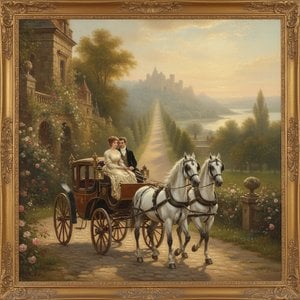
Embark on a visual journey through the romantic world of horse carriage art. Discover the mastery of equestrian oil paintings, from Impressionist textures to classical realism, and learn how to bring timeless elegance into your home with museum-quality reproductions.

Immerse yourself in the majesty of equestrian art. Discover museum-quality, hand-painted horse reproductions and bespoke commissions that capture the power and grace of the equine form. Perfect for discerning collectors seeking timeless elegance and unparalleled craftsmanship.


 プレビュー
プレビュー
 シェアする
シェアする シェアする
シェアする
 詳細を見る
詳細を見る

 ダウンロード
 似ている作品
 X線調査
X線調査 スライドショー
 統計情報
統計情報
 詳細を見る
詳細を見る









 ガラスオプションは、110cm未満のサイズでのみご利用いただけます。


