
 Expressionism
 1904Early Modern
 46.0 x 37.0 cm
当社のアーティストが、お客様のご希望のサイズと額縁に合わせて、キャンバスに手描きで制作する油彩画です。 ( プリント版に切り替え デジタル画像販売へ切り替え)





























作品のオリジナル比率に合わせた、当店の規定サイズからお選びください。

特定のフレームやスペースに合わせて、ご希望のサイズをご入力いただけます。選択されたサイズが元の画像の比率と異なる場合、アートワークをトリミングするか、手描きで要素を追加して絵画を拡張いたします。デジタルモックアップ を制作し、制作開始前にご確認(承認)をいただきます。
画面上のプレビューは、実際のトリミングや拡張を正確に反映しているものではありません。最終的な構図は、モックアップによってのみ正確にご確認いただけます。
カスタムサイズもご利用いただけますが、元の比率を維持するためには、あらかじめ用意されたリストからサイズを選択することをお勧めいたします。

A simple meal
複製画のサイズ
Pablo Picasso’s “A Simple Meal,” etched in 1904 during his pivotal Blue Period, is far more than a depiction of two figures sharing a meager repast. It's a raw and profoundly moving exploration of human vulnerability, hardship, and the quiet dignity found within shared struggle. This artwork, now rendered as a meticulously hand-painted reproduction, offers a window into Picasso’s genius and the emotional depth he brought to his work during this intensely personal period.
The composition of “A Simple Meal” is strikingly direct. The two figures, a man and a woman, dominate the frame, positioned close together – a deliberate gesture suggesting intimacy born of shared adversity. Picasso’s masterful use of etching technique—scratching lines into a metal plate and then meticulously transferring them to paper—creates an astonishing level of detail and texture. Notice the extensive hatching and cross-hatching, particularly evident in their faces and hands. These techniques aren't merely representational; they actively contribute to the artwork’s emotional impact, building up layers of gray tones that simulate rough skin and worn clothing, amplifying the sense of poverty and despair.
The sparse arrangement of objects – a bottle of wine, bowl, cup, fork, and knife – transcends mere still life. They become potent symbols of scarcity and deprivation. The figures’ gaunt appearances and downcast expressions convey a palpable sense of sadness, resignation, or perhaps even despair. Picasso deliberately flattened the perspective, eliminating depth to create a direct, almost confrontational connection with the viewer. This technique intensifies the emotional impact, forcing us to engage directly with the subjects' plight. The lighting, originating from an unseen source, casts dramatic shadows that further emphasize the angularity of their forms, reinforcing the artwork’s overall mood of melancholy and unease.
"A Simple Meal" is a quintessential example of Picasso's Blue Period (1901-1904), a time deeply influenced by personal tragedy – the death of his sister, prematurely. This period saw him exploring themes of poverty, isolation, and human suffering with an unflinching honesty. The monochromatic palette—a carefully controlled range of grays—was not simply aesthetic; it was a deliberate choice to evoke a sense of somberness and emotional intensity. As one of the last works from this era, “A Simple Meal” offers a poignant glimpse into Picasso’s artistic evolution and his profound engagement with the human condition. Its enduring power lies in its ability to resonate with viewers across generations, prompting reflection on themes of hardship, resilience, and the quiet beauty found even in moments of despair.


1881 - 1973 , スペイン

Unveil the radical revolution of Cubism. Explore how masters like Picasso and Braque redefined modern art through fragmented forms and geometric abstraction, offering profound insights for discerning collectors of fine art history and masterpieces.

Explore the profound evolution of Cubism through an expert analysis of Pablo Picasso's revolutionary works. From Analytical to Synthetic Cubism, discover the techniques that redefined modern art and learn how to curate these iconic masterpieces for your private collection.
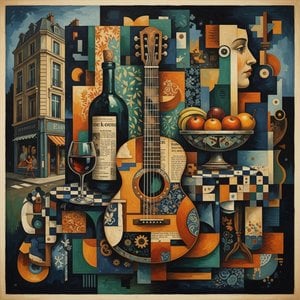
Master the vibrant world of Synthetic Cubism with our expert guide. Explore the revolutionary techniques of Picasso and Braque, from collage to color, and discover how this movement redefined modern art for collectors and connoisseurs alike.


 プレビュー
プレビュー
 シェアする
シェアする シェアする
シェアする
 詳細を見る
詳細を見る ガイド
ガイド

 ダウンロード
 似ている作品
 X線調査
X線調査 スライドショー
 統計情報
統計情報 詳細を見る
詳細を見る









 ガラスオプションは、110cm未満のサイズでのみご利用いただけます。


