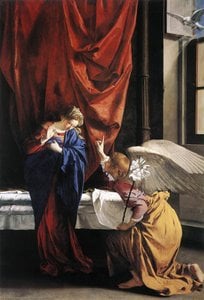
Oil On CanvasWallArtBaroque
 1621
1621 161.0 x 227.0 cm
 J・ポール・ゲティ美術館
スピーディーな制作と多彩な仕上げオプションが魅力の、ミュージアムクオリティなジークレー・キャンバスプリント。 ( 手描きの複製画を注文する デジタル画像販売へ切り替え)





























作品のオリジナル比率に合わせた、当店の規定サイズからお選びください。

額縁や壁のスペースに合わせて、ご希望の幅と高さを入力してください。プリントはカットすることは可能ですが、元の画像より大きくすることはできないため、異なる比率のサイズを選択された場合は、画像の一部が欠けることになります。印刷を開始する前に、内容を確認していただくためのデジタルモックアップをお送りいたします。このページに表示されている画像は、実際のカット後の状態を示すものではありません。実際の仕上がりはモックアップにてご確認ください。
Danae
複製画サイズ一覧
Orazio Gentileschi’s 1623 painting, *Danaë*, is more than just a depiction of a classical myth; it's a profound meditation on fate, beauty, and the transformative power of divine grace. Housed within the J. Paul Getty Museum in Los Angeles, this oil-on-canvas masterpiece stands as a testament to Gentileschi’s mastery of Baroque technique and his ability to infuse historical narrative with deeply felt emotion. The painting immediately captivates with its dramatic lighting – a hallmark of Caravaggio's influence – which sculpts the figures and creates an atmosphere of both vulnerability and opulent splendor.
At the heart of the composition lies Danaë, a young woman lying on her bed, draped in a sheer veil that hints at both modesty and impending revelation. Her arms are outstretched, a gesture simultaneously of surrender and anticipation. Above her, a cascade of golden coins – representing Zeus’s divine intervention – rains down upon the mattress, transforming the scene into a shimmering tableau of mythic birth. The artist skillfully renders the texture of the fabric, the weight of the gold, and the delicate curve of Danaë's body, demonstrating an exceptional command of form and detail. Notice how Gentileschi avoids idealization; Danaë is not a goddess but a mortal woman caught in the throes of a miraculous event.
The narrative depicted is rooted in Greek mythology, recounting the story of Danaë, daughter of King Aegyptus and the sea nymph Calliope. Faced with unwanted suitors, Aegyptus sought to protect his daughter by imprisoning her in a tower. Zeus, disguised as a shower of golden rain, descended into the tower and impregnated Danaë, resulting in the birth of Perseus, the legendary hero. The painting captures this pivotal moment – not the act of conception itself, but its immediate aftermath: the arrival of divine grace and the promise of a new life.
The symbolism is layered and rich. The golden rain isn’t merely a visual spectacle; it represents Zeus's power and his ability to transcend mortal boundaries. Danaë’s pose – vulnerable yet receptive – speaks to her acceptance of this extraordinary destiny. The presence of Eros, the god of love, pulling aside the curtain symbolizes the initiating force behind the divine intervention, highlighting the role of desire and fate in shaping human experience.
Gentileschi’s technical skill is evident throughout *Danaë*. He masterfully employs chiaroscuro – the dramatic contrast between light and shadow – to create a sense of depth and movement. The golden light emanating from the coins illuminates Danaë's face and body, while the surrounding areas remain shrouded in darkness, intensifying the drama of the scene. The artist’s brushwork is loose and expressive, conveying a feeling of immediacy and dynamism. Observe how he captures the swirling motion of the falling gold, creating an almost palpable sense of energy.
Furthermore, Gentileschi's use of color is particularly noteworthy. The rich hues of red, gold, and blue create a vibrant and luxurious atmosphere, reflecting the opulence associated with the gods. The subtle variations in tone contribute to the painting’s overall visual harmony, drawing the viewer’s eye through the composition.
Interestingly, *Danaë* is believed to be a reworking of an earlier painting by Gentileschi’s daughter, Artemisia Gentileschi, who also depicted the same subject. This suggests a close artistic relationship and a shared interest in exploring themes of female agency and divine intervention within a mythological context. Artemisia's own work often featured strong, independent women confronting adversity with courage and resilience – qualities that resonate powerfully in *Danaë*. Studying both paintings offers valuable insights into the evolving artistic sensibilities of the Gentileschi family and their contribution to the Baroque movement.
Today, *Danaë* remains a captivating masterpiece, inviting viewers to contemplate the complexities of myth, beauty, and the enduring power of divine grace. It’s a painting that speaks not only to the grandeur of ancient Greece but also to the timeless human experience of desire, fate, and transformation.
「Danae」は、Etherealな雰囲気を纏っています。
オラツィオ・ジェンティレスキ作「Danae」は、Iconicに分類され、Baroqueの様式に属しています。
オラツィオ・ジェンティレスキ作「Danae」のガイドページでは、印刷して活用できる2枚構成のファクトシートを提供しています。これには、作品とその詳細情報をまとめたデータテーブル、アーティストの生涯における時代背景を示す年代チャート、同アーティストによる他の作品、測定されたカラーパレット、そしてそのままコピーして使用できる4つの形式の引用文献情報が含まれています。


1563 - 1639 , イタリア

Embark on a sophisticated journey through the eternal allure of mythological art. Discover how master painters breathe life into ancient legends, from Greek deities to Baroque masterpieces, and learn to curate these timeless narratives within your own exquisite art collection.

Embark on a sophisticated journey through Italian Baroque art. Discover the dramatic interplay of light and emotion in Caravaggio’s masterpieces and explore how to bring this timeless grandeur into your collection with expert art insights.

 設置イメージを確認
 送る
送る シェア
シェア
 詳細情報
詳細情報 ガイドを表示

 画像をダウンロード
 似ている作品
 X線調査
X線調査 スライドショー
 統計情報
統計情報 続きを読む
続きを読む









 ガラスオプションは、110cm未満のサイズでのみご利用いただけます。