


 PhotographyPhotoContemporary Photography
 2014Contemporary
 Centro Cultural Banco do Brasil Belo Horizonte
作品のオリジナル比率に合わせた、当店の規定サイズからお選びください。

特定のフレームやスペースに合わせて、ご希望のサイズをご入力いただけます。選択されたサイズが元の画像の比率と異なる場合、アートワークをトリミングするか、手描きで要素を追加して絵画を拡張いたします。デジタルモックアップ を制作し、制作開始前にご確認(承認)をいただきます。
画面上のプレビューは、実際のトリミングや拡張を正確に反映しているものではありません。最終的な構図は、モックアップによってのみ正確にご確認いただけます。
カスタムサイズもご利用いただけますが、元の比率を維持するためには、あらかじめ用意されたリストからサイズを選択することをお勧めいたします。

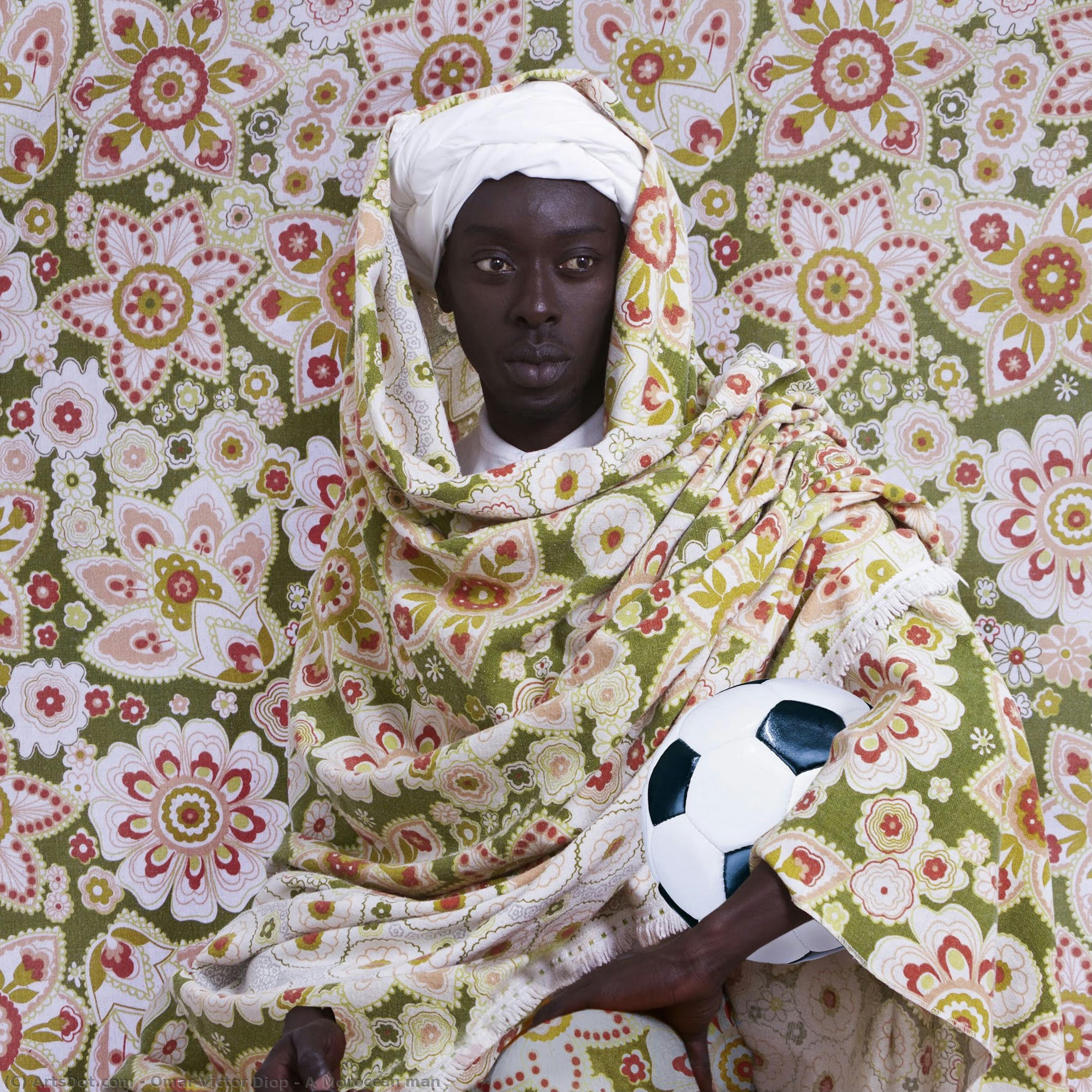
A Moroccan man
複製画のサイズ

Omar Victor Diop (born 1980) stands as a prominent figure in contemporary African photography, recognized globally for his conceptually rich portraits that delve into themes of Black history, identity, and diaspora. Born in Dakar, Senegal, Diop’s artistic journey began amidst the values instilled by his parents – prioritizing education as a pathway to opportunity – shaping him into an intellectually curious individual.
Diop’s artistic vision centers around confronting historical narratives and celebrating the dynamism of African culture. His series explore themes of identity, diaspora, and social commentary, utilizing meticulous styling and symbolic imagery to provoke reflection.
Diop’s work has garnered critical acclaim from institutions worldwide, including the Minneapolis Institute of Art, The High Museum of Art, Frac Aquitaine, Vitra Design Museum and Musée de la Photographie de Saint-Louis. His contributions to the art world underscore his commitment to fostering dialogue about identity, history, and cultural representation.
Diop’s artistic sensibilities are deeply rooted in African heritage and literature—particularly the work of Seydou Keïta and Malick Sidibé—who established foundational principles for studio photography. He champions a holistic approach to artmaking, integrating fashion design, creative writing, and visual storytelling to amplify voices and perspectives often marginalized within mainstream narratives.
Omar Victor Diop’s enduring legacy resides in his ability to transform historical images into powerful statements about identity and diaspora—a testament to the transformative potential of artistic vision.

1980 - , Senegal

Discover WahooArt's exclusive multi-photo merging service. Transform disparate photographs into a single, hand-painted masterpiece. Our master artists use professional compositing and digital mockups to create bespoke, museum-quality oil portraits for the discerning collector.

あなたのセルフィーを、バロック・ロマン主義の傑作へ。WahooArtは、最先端のAI技術と熟練した絵画師の伝統的な油彩技法を融合させ、光と影が織りなすドラマチックな肖像画を制作します。キアロスクーロ(明暗法)を用いた圧倒的な立体感と、時代を超越する美しさをあなたの日常に。単なる装飾品ではなく、一生の宝物となるパーソナル・レガシーを、世界中のコレクターに信頼される最高品質のマスターピースとしてお届けします。

Discover the exquisite journey of turning personal photographs into timeless classical masterpieces. Learn how professional hand-painted oil reproductions capture the soul of historical eras to create a lasting legacy for your home and collection.
Transform scattered family photos into timeless oil masterpieces with WahooArt. Our master artists hand-paint bespoke portraits that turn precious memories into elegant, generational heirlooms. Experience premium quality, digital previews, and a 100% satisfaction guarantee.

Turn your favorite photos into iconic Pop Art masterpieces with WahooArt AI. Experience the perfect fusion of cutting-edge technology and hand-painted oil excellence. Transform your personal moments into trend-driven, museum-quality street art for your home today.

 プリントを購入
 シェアする
シェアする シェアする
シェアする
 詳細を見る
詳細を見る

 ダウンロード
 似ている作品
 スライドショー
 詳細を見る
詳細を見る






































 ガラスオプションは、110cm未満のサイズでのみご利用いただけます。


