アート相談を無料で

x
プリントを購入 プリントを購入手描き複製画を注文する 手描き複製画を注文する シェアするシェアする
詳細を見る詳細を見る お気に入りに追加 お気に入りに追加 ダウンロードダウンロード 似ている作品似ている作品 X線X線 スライドショースライドショー

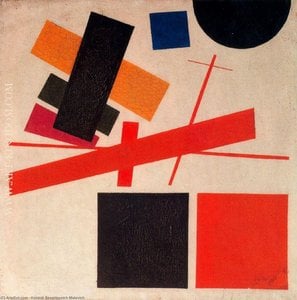
Non-objective Composition

Explore Olga Rozanova’s ‘Non-Objective Composition’ (1917). A dynamic geometric abstraction in red & white, influenced by Cubism & Constructivism. Discover its tension & unique style.

Discover Olga Rozanova (1886-1918), a Russian avant-garde pioneer who seamlessly blended Suprematism, Cubo-Futurism & Neo-Primitivism into vibrant abstract art. Explore her influential 'color painting' style and legacy.

オンラインプレビューをはるかに凌ぐ、高解像度で鮮明なデジタル画像をご購入いただけます。

各ファイルは、社内の専門家が高度なツールと熟練した手作業によるレタッチを用いて、細心の注意を払って準備されています。すべての画像において、卓越した鮮明度、正確な色彩再現性、そして繊細なディテールを保証いたします。

最終ファイルは、プロフェッショナルな編集・印刷環境ですぐにご利用いただけるよう最適化された状態で、72時間以内にメールにてお届けいたします。これは、一流のデザインスタジオ、出版社、ギャラリーから信頼されているものと同等の品質です。

デジタルアート

個人での鑑賞、印刷、クリエイティブなプロジェクト用に、高解像度ファイルをダウンロードできます。

最終合計金額

$9.99

デジタル画像のご注文に付随する特典

高品質なデジタル画像配信を、確かな品質で。

WahooArt.com を選ぶことは、単に画像を手に入れることではありません。それは、プロの手によって精密に仕上げられ、満足保証が付いた高品質なデジタルアートワークを受け取ることを意味します。ご注文いただいた際に自動的に付随する内容は、以下の通りです:

shipping_icon
メールですぐにお届け

ご注文から72時間以内に、高解像度のデジタル画像ファイルがメールでお手元に届きます。すぐにそのままご利用いただけます。

canvas_icon
AI技術で最適化されたデジタルファイル

お客様の作品は、高度なAIツールと専門家による手作業の編集を組み合わせてプロフェッショナルに最適化されており、細部のディテール、鮮明さ、そして正確な色再現性を最大限に引き出しています。

insurance_icon
一生涯無料の再送サービス

ファイルを誤って削除したり、紛失してしまったりしましたか?ご安心ください。いつでも無料で再送いたします。

tax_icon
輸入手数料は一切かかりません

関税や手数料、配送料を気にすることなく、お気に入りのアートワークをすぐにお楽しみいただけます。デジタルダウンロードは常に免税です。

color_icon
色彩再現の保証

プロ仕様のツールとカラーマネジメント技術を用いることで、デジタル画像が元の色を最大限に忠実に再現することを保証いたします。

return_icon
60日間満足保証

ご購入いただいたデジタル画像にご満足いただけない場合は、60日以内であれば、修正または100%の返金(理由を問う必要はありません)をさせていただきます。

guarantee_icon
100% 返金保証

ご満足いただけない場合は、デジタルファイルを受け取ってから60日以内であれば、理由を問わず全額返金いたします。

discount_icon
まとめ買い割引

3枚購入で10%OFF - 5枚購入で15%OFF - 10枚以上購入で20%OFF。クリエイティブなプロジェクト、ギャラリー、エージェンシーに最適です。

関連作品


作家の略歴

A Life Illuminated: The Pioneering Vision of Olga Rozanova

Olga Vladimirovna Rozanova, a name resonating with increasing force in the annals of 20th-century art, was a Russian avant-garde artist whose tragically short life belied an astonishingly prolific and innovative career. Born in 1886 in Melenki, Russia, to a family steeped in both civic duty – her father was a district police officer – and religious tradition through her Orthodox priest grandfather, Rozanova’s path diverged from convention as she pursued the burgeoning world of modern art in Moscow. After graduating from the Vladimir Women's Gymnasium in 1904, she immersed herself in artistic training, first at the Bolshakov Art School under Nikolai Ulyanov and sculptor Andrey Matveev, then auditing courses at the Stroganov School of Applied Art and finally honing her skills in Konstantin Yuon’s private studio. These formative years laid the groundwork for a restless exploration that would see her navigate and contribute to some of the most radical artistic movements of her time.

From Neo-Primitivism to the Brink of Abstraction

Rozanova's early work reflected the vibrant, often folkloric influences of Neo-Primitivism, a movement seeking inspiration in Russia’s traditional art and peasant culture. However, she quickly gravitated towards the dynamism of Cubo-Futurism around 1913, captivated by the Italian Futurist embrace of speed, technology, and the energy of modern life. This fascination culminated in her participation in the First Free International Futurist Exhibition in Rome in 1914, a bold step that brought her work to an international audience. Pieces like “In a Café” from this period demonstrate a synthesis of Russian sensibilities with the fragmented forms and energetic lines characteristic of Futurism. Yet, Rozanova wasn’t merely imitating; she was absorbing and transforming these influences, infusing them with a distinctly Russian emotional intensity. This period also saw her groundbreaking collaboration with poet Aleksei Kruchenykh, resulting in “samopismo,” a revolutionary form of Futurist book where text and image were inextricably linked – a precursor to concrete poetry and visual literature.

The Suprematist Turn and the Pursuit of Pure Feeling

A pivotal moment arrived in 1916 when Rozanova joined Kazimir Malevich’s Supremus group, embracing pure abstraction as the ultimate artistic expression. While deeply influenced by Malevich's theories, she didn’t simply replicate his geometric forms. Instead, Rozanova charted her own course within Suprematism, prioritizing color and emotional resonance over rigid structure. Her canvases became fields of vibrant hues, layered and interacting to evoke a sense of spiritual energy and inner experience. She believed that color possessed an inherent power to communicate directly with the soul, bypassing rational thought. This emphasis on subjective feeling distinguished her work from Malevich’s more austere approach and foreshadowed later developments in abstract art. Her “Non-Objective Composition (Suprematism)” exemplifies this shift, showcasing a dynamic interplay of shapes and colors that pulsate with life.

A Legacy Forged in Color: Anticipating Abstract Expressionism

In her final years, Rozanova developed what she termed "color painting," characterized by bold, simple canvases featuring large areas of saturated color. These works, such as “Green Stripe,” are remarkably prescient, anticipating the Color Field paintings of Mark Rothko and Barnett Newman decades later. They represent a radical reduction to essential forms and hues, aiming to evoke profound emotional responses through pure visual experience. Sadly, Rozanova’s promising career was cut short by illness; she succumbed to diphtheria in Moscow in 1918 at just thirty-two years old. Despite her untimely death, Olga Rozanova's contributions to the Russian avant-garde were significant. She wasn’t merely a follower of artistic trends but an active participant and innovator who pushed boundaries and explored new possibilities. Her unique voice within Suprematism, her pioneering work in combining text and image, and her visionary “color paintings” have secured her place as a pivotal figure in 20th-century art history – a legacy that continues to inspire artists and captivate audiences today. She remains an intellectual mother of Abstract Expressionism.
Olga Rozanova

Olga Rozanova

1886 - 1918 , Russia

プロフィール概要

  • Artistic Movement Or Style:
    • Suprematism
    • Cubo-Futurism
    • Neo-Primitivism
  • Artists Or Movements Influenced By This Artist:
    • Abstract Expressionism
    • Mark Rothko
    • Barnett Newman
  • Artists Who Influenced This Artist: ['Kazimir Malevich']
  • Date Of Birth: 1886
  • Date Of Death: 1918
  • Full Name: Olga Rozanova
  • Nationality: Russian
  • Notable Artworks:
    • Lady in Pink
    • Green Stripe
    • Non-Objective Composition
  • Place Of Birth: Melenki, Russia