

 Acrylic On CanvasWallArtSymbolist Painting
 1894
1894 27.0 x 26.0 cm
 ディジョン美術館
当社のアーティストが、お客様のご希望のサイズと額縁に合わせて、キャンバスに手描きで制作する油彩画です。 ( プリント版に切り替え デジタル画像販売へ切り替え)





























作品のオリジナル比率に合わせた、当店の規定サイズからお選びください。

フレームや壁のスペースに合わせて、ご希望の幅と高さを入力してください。本作品は手描きのため、異なる比率のサイズをご希望の場合、絵画の周囲を少し広げて描くか、あるいは端を少しカットして調整することが可能です。お客様のご要望に合わせます。制作を開始する前に、仕上がりを確認するためのデジタルモックアップをお送りいたします。このページに表示されている画像は完成品の実物ではなく、あくまでモックアップによるイメージです。
The Child
複製画サイズ一覧
Odilon Redon's "The Child," painted in 1894 and currently residing within the hallowed halls of the Musée des Beaux-Arts in Dijon, France, is not merely a depiction of a young figure; it’s an immersion into a realm of potent symbolism and haunting beauty. This work, rendered primarily in delicate pastel hues, exemplifies Redon's signature style – a deliberate blurring of reality and dream, where familiar forms are subtly distorted and imbued with layers of psychological depth. Redon, a pivotal figure within the Symbolist movement, sought to capture not just what was seen, but what lay beneath the surface of perception, translating inner states into visual language.
The painting immediately draws the viewer in with its ethereal atmosphere. The child’s face, rendered with an almost unnerving clarity despite the soft pastel application, possesses a gaze that seems to pierce through the canvas, directed towards something just beyond our field of vision. Blue eyes, framed by rosy cheeks and a delicate nose, convey both innocence and a hint of melancholy. This directness is juxtaposed against the background – a vibrant, almost aggressively bright orange—a color choice that immediately creates tension and intrigue. Redon masterfully uses this contrast to draw attention to the child’s face, elevating it as the focal point of the composition while simultaneously suggesting an unsettling disconnect between the subject and its surroundings.
Redon’s artistic journey was deeply influenced by a fascination with the subconscious and the exploration of hidden meanings. He frequently employed recurring motifs – children, animals, and fantastical creatures—to represent universal themes such as mortality, transformation, and the fragility of human existence. In “The Child,” these symbolic elements are subtly interwoven into the scene. The bright orange background, often interpreted as representing primal energy or even danger, could symbolize the unknown forces that shape a child’s development and perception of the world. The child's averted gaze suggests a contemplation of something beyond immediate experience, perhaps hinting at an awareness of mortality or the mysteries of life.
Furthermore, Redon’s choice of pastel as his primary medium is crucial to understanding the painting’s emotional impact. Pastels offer a remarkable ability to capture subtle nuances of light and shadow, creating a sense of softness and vulnerability. The hazy quality of the colors contributes to the dreamlike atmosphere, inviting viewers to project their own emotions and interpretations onto the scene. Redon's technique involved layering thin washes of pastel pigment, building up color gradually to achieve depth and luminosity – a process that demanded immense patience and control.
To fully appreciate “The Child,” it’s essential to understand the artistic climate in which Redon was working. The late 19th century witnessed a growing disillusionment with academic realism, as artists sought new ways to express subjective experience and explore the darker aspects of human psychology. Symbolism emerged as a direct response to this shift, rejecting literal representation in favor of evocative imagery and symbolic narratives. Artists like Redon, alongside Monet, Renoir, and Degas, were pushing the boundaries of traditional painting, paving the way for the radical innovations of the 20th century.
Redon’s work aligns closely with the Symbolist movement's interest in exploring the subconscious mind and its influence on perception. He was also deeply influenced by Japanese art, particularly woodblock prints, which he admired for their use of flattened perspective, bold colors, and symbolic imagery. This influence is evident in the painting’s composition and color palette, contributing to its distinctive dreamlike quality.
"The Child" remains a profoundly moving work of art, captivating viewers with its haunting beauty and enigmatic symbolism. Today, high-quality reproductions offer an accessible way to experience the power of Redon’s vision. Whether displayed in a private residence or a public space, this painting continues to spark contemplation and invite us to delve into the depths of our own imaginations. For those seeking a piece that transcends mere decoration, “The Child” is a testament to the enduring legacy of Odilon Redon – an artist who dared to paint not what he saw, but what he felt.
オディロン・レドン作「The Child」は、childhood, symbolism, pastel colors, dreamlike, orange background, french art, redon, fantasyとEtherealな雰囲気を融合させています。
「The Child」の形式はSquareです。これは、複製画を飾る場所を検討する際に役立ちます。
「The Child」の色調は、Earthyなパレットを構成しています。この分類は、主要な色相のグループを表しています。

1840 - 1916 , フランス

Embark on a sophisticated journey through the dreamlike world of Symbolist painting. Explore the profound depths of the subconscious, from Odilon Redon to Dalí, and discover how these evocative masterpieces continue to inspire collectors and art enthusiasts worldwide.

Transform your child's precious photos into whimsical, hand-painted storybook masterpieces with WahooArt AI. Create timeless family heirlooms through our expert blend of cutting-edge technology and traditional oil painting craftsmanship. A beautiful legacy for your home.
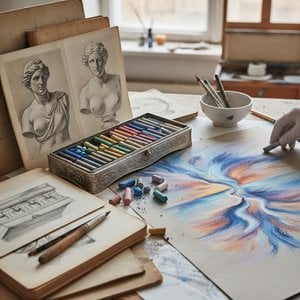
Explore the ethereal beauty of pastel art. Discover how Impressionist masters used soft hues and velvety textures to capture light. A professional guide for art enthusiasts seeking to understand, collect, and appreciate the delicate magic of this timeless medium.
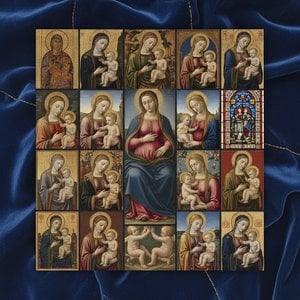
Embark on a sophisticated journey through art history with our curated guide to the most iconic Madonna and Child masterpieces. Discover the profound beauty, theological depth, and enduring legacy of these sacred Renaissance treasures.

Discover the exquisite mastery of pastel and chalk in fine art. Explore how texture, light, and softness create depth in Impressionist masterpieces and learn to curate these velvety textures for sophisticated, luxury interiors with expert guidance.

 設置イメージを確認
 送る
送る シェア
シェア
 詳細情報
詳細情報 ガイドを表示

 画像をダウンロード
 似ている作品
 X線調査
X線調査 スライドショー
 統計情報
統計情報 続きを読む
続きを読む









 ガラスオプションは、110cm未満のサイズでのみご利用いただけます。


