
x































作品のオリジナル比率に合わせた、当店の規定サイズからお選びください。

特定のフレームやスペースに合わせて、ご希望のサイズをご入力いただけます。選択されたサイズが元の画像の比率と異なる場合、アートワークをトリミングするか、手描きで要素を追加して絵画を拡張いたします。デジタルモックアップ を制作し、制作開始前にご確認(承認)をいただきます。
画面上のプレビューは、実際のトリミングや拡張を正確に反映しているものではありません。最終的な構図は、モックアップによってのみ正確にご確認いただけます。
カスタムサイズもご利用いただけますが、元の比率を維持するためには、あらかじめ用意されたリストからサイズを選択することをお勧めいたします。

Winter. the deluge
複製画のサイズ
Nicolas Poussin’s “Winter. The Deluge,” painted in 1664, isn’t merely a depiction of a storm; it’s an immersive experience—a profound meditation on human vulnerability against the overwhelming power of nature and the enduring promise of salvation. Born in Le Havre, Normandy, and spending much of his artistic life in Rome, Poussin possessed a rare ability to synthesize classical restraint with deeply felt emotion, a skill brilliantly showcased in this monumental canvas. The painting immediately commands attention with its dramatic chiaroscuro—a masterful interplay of light and shadow that sculpts the scene into a theatrical tableau. Dark, brooding clouds dominate the upper half of the composition, swirling with an almost violent energy, while below, a small boat battles against a turbulent river landscape. This isn’t a simple seascape; it's a carefully constructed allegory, steeped in biblical symbolism and reflecting Poussin’s own evolving philosophical outlook.
Poussin firmly established himself within the Baroque style, yet he tempered its exuberance with a classical sensibility. “Winter. The Deluge” exemplifies this balance perfectly. The brushwork is remarkably controlled—not frantic or loose as one might expect in a depiction of such chaos, but deliberate and precise, creating a sense of order amidst the turmoil. Notice how Poussin uses jagged lines to define the waves and the rocky shoreline, contrasting sharply with the smoother, more refined strokes used for the figures in the boat. The color palette is predominantly dark—deep browns, grays, and blacks—underscoring the severity of the storm. However, strategically placed highlights of white and pale blue capture the intensity of lightning flashes and the reflective surface of the water, drawing the eye to key focal points. The painting’s texture is rich and layered, achieved through multiple applications of paint, creating a palpable sense of depth and volume. Poussin's meticulous attention to detail—from the individual strands of hair on the figures to the intricate patterns of the rocks—is truly remarkable.
“Winter. The Deluge” is rich in symbolic meaning, drawing heavily from biblical narratives, particularly Noah’s Ark. The small boat represents hope and salvation, carrying a single family—a potent symbol of humanity facing imminent destruction. The towering waterfall in the background acts as a dramatic backdrop, suggesting both the destructive force of nature and the potential for renewal. Some scholars interpret the figures in the boat as representing faith and resilience, while others see them as embodying the struggles of human existence. The storm itself can be viewed as a metaphor for adversity—a trial that tests the strength of character and the bonds of family. The inclusion of a mountain range in the distance hints at a higher power, offering a sense of perspective and reassurance amidst the chaos.
Beyond its symbolic layers, “Winter. The Deluge” possesses a profound emotional impact. The painting evokes a sense of foreboding and vulnerability—a recognition of humanity's insignificance in the face of nature’s power. Yet, there is also an underlying current of hope—the promise that even in the darkest storms, salvation remains possible. Poussin masterfully captures the psychological tension between fear and faith, despair and resilience. The figures in the boat are not heroic; they are ordinary people caught in extraordinary circumstances, their faces etched with worry and determination. This intimate portrayal of human emotion elevates “Winter. The Deluge” beyond a mere depiction of a storm—it becomes a timeless meditation on the human condition, inviting viewers to contemplate their own place within the vastness of the universe.
(Note: This description is based on available information and scholarly interpretations. Further research into Poussin’s life and work can provide even deeper insights into this remarkable painting.)


1594 - 1665 , フランス

Explore the breathtaking drama of Baroque landscapes. From Rubens's grand vistas to the mastery of chiaroscuro, discover how 17th-century artists transformed nature into a theatrical stage of emotion and light. A deep dive for true art enthusiasts.

Explore the breathtaking drama of Baroque landscapes. Our expert guide delves into the interplay of light and shadow in 17th-century masterpieces. Discover art history and find museum-quality, hand-painted oil reproductions to bring classical grandeur to your home.

Master the art of drama with our ultimate guide to Baroque landscapes. Discover the power of chiaroscuro, explore legendary masters, and learn how to curate epic, dark-vibe masterpieces for your collection with expert insights from WahooArt.
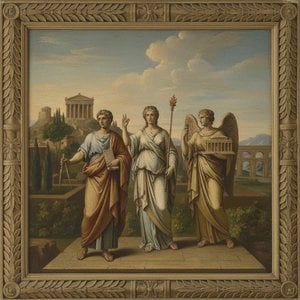
Explore the life & work of Nicolas Poussin, a master of French Classicism. Discover his allegorical paintings, Roman influences, and enduring impact on art history. Expert analysis & insights.

ロマン派絵画の時代を彩る10選。巨匠たちの風景が織りなす感動の世界へ。ターナー、ルーベンスなど、名作の裏話と高精細複製でアートをお部屋に。WahooArt.comで至福のアート体験を。


最新の美術ニュース、限定オファー、そしてインテリアのアイデアをいち早くお届けします。
お客様のプロジェクトについてお聞かせください。当社の美術専門家が、お客様に合わせた3つのパーソナライズされた芸術提案をご提供いたします。
あなたにぴったりの3作品を無料で厳選いたします


 プレビュー
プレビュー
 プリントを購入
 シェアする
シェアする シェアする
シェアする
 詳細を見る
詳細を見る

 ダウンロード
 似ている作品
 X線調査
X線調査 スライドショー

 詳細を見る
詳細を見る









 ガラスオプションは、110cm未満のサイズでのみご利用いただけます。


