
迅速な制作と多彩な仕上げオプションを備えた、ミュージアムクオリティのジークレーまたはキャンバスプリント。 ( 手描きの絵画を購入 デジタル画像販売へ切り替え)





























作品のオリジナル比率に合わせた、当店の規定サイズからお選びください。

特定のフレームやスペースに合わせて、ご自身でサイズを指定することも可能です。選択されたサイズが元の画像の比率と一致しない場合、作品をトリミングするか、鏡面反射または単色での塗りつぶしによって画像を拡張いたします。制作を開始する前に、ご確認用のデジタルモックアップをお送りいたします。
画面上のプレビューには、実際のトリミングや拡張は反映されませんのでご注意ください。最終的な構図を正確に確認できるのは、モックアップのみとなります。
カスタムサイズも承っておりますが、元の比率を維持するためには、あらかじめ用意されたリストからサイズを選択することをお勧めいたします。

Spring (The Earthly Paradise)
複製画のサイズ
Nicolas Poussin’s “Spring” is arguably one of the most iconic landscapes of the Baroque era, capturing a moment of profound beauty and spiritual contemplation. Painted in 1664 during his prolific period in Rome, this masterpiece exemplifies Poussin's masterful command of classical principles – balance, harmony, and idealized form – resulting in an image that transcends mere depiction to convey a deeper emotional resonance.
The painting’s central focus is a serene woodland scene dominated by two figures: Adam and Eve. Positioned on a weathered stone bench beneath the dappled shade of ancient trees, they gaze upon a blossoming meadow teeming with life – lambs frolicking amongst wildflowers and birds soaring overhead. This deliberate arrangement adheres to the Pythagorean harmony, where opposing forces coexist in equilibrium, symbolizing the reconciliation between innocence and experience.
Poussin employed a technique characterized by meticulous brushwork and subtle tonal gradations. Layers of thin washes create an ethereal atmosphere, conveying the diffused light filtering through the foliage – a hallmark of Baroque landscape painting. The artist skillfully utilized sfumato, blurring edges and softening contours to achieve remarkable depth and realism without resorting to harsh contrasts. This masterful blending of colors contributes significantly to the overall sense of tranquility and wonder.
“Spring” emerged from a broader artistic movement that sought to revive classical ideals after centuries of Mannerist experimentation. Inspired by Raphael’s frescoes in the Vatican Stanze, Poussin embraced the humanist tradition of representing idealized beauty and moral virtue. The scene draws heavily on biblical narratives – specifically Genesis 2:15–17 – portraying Adam and Eve's acceptance of God’s divine commandment to cultivate the garden and procreate. This symbolic gesture underscores themes of creation, fertility, and humanity’s relationship with the natural world.
The blossoming meadow represents rebirth and renewal – a visual metaphor for spiritual regeneration. The lambs symbolize innocence and purity, while the birds embody divine grace and messengers of God's benevolent providence. Even the weathered stone bench serves as a reminder of time’s passage and the enduring presence of God amidst earthly concerns. Ultimately, “Spring” invites viewers to contemplate the beauty of creation and the promise of eternal life.
“Spring” transcends mere visual representation; it evokes a profound emotional response in the observer. The painting’s harmonious composition and luminous palette instill a sense of peace and serenity, transporting viewers to a timeless realm of pastoral splendor. It speaks to our innate desire for connection with nature and reminds us of the enduring power of faith and hope – themes that continue to resonate powerfully across cultures and generations.


1594 - 1665 , フランス

Embark on a visual journey through history's most iconic landscapes. Discover the mastery of Impressionism and the sublime power of nature through our expert guide to classical landscape art, curated for the discerning collector and fine art enthusiast.
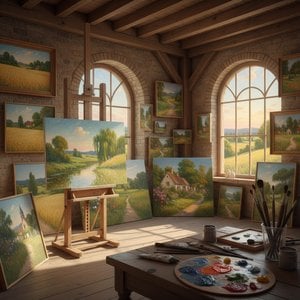
Discover the profound tranquility of rural art through an expert exploration of Impressionist landscapes. From pastoral scenes to textured oil masterpieces, learn how timeless nature-inspired artworks bring enduring elegance and serenity to sophisticated collectors.

Embark on a visual journey through the world's most serene parks. Discover how master artists capture light, texture, and tranquility through exquisite oil paintings and botanical landscapes designed for the discerning art enthusiast.

Explore the profound beauty of village scene art. From Impressionist light to pastoral realism, discover how timeless landscapes capture nostalgia through expert artistry and historical depth. Perfect for collectors seeking evocative, museum-quality landscape inspirations.


 プレビュー
プレビュー
 シェアする
シェアする シェアする
シェアする
 詳細を見る
詳細を見る

 ダウンロード
 似ている作品
 X線調査
X線調査 スライドショー
 統計情報
統計情報


 詳細を見る
詳細を見る









 ガラスオプションは、110cm未満のサイズでのみご利用いただけます。


