
当社のアーティストが、お客様のご希望のサイズと額縁に合わせて、キャンバスに手描きで制作する油彩画です。 ( プリント版に切り替え デジタル画像販売へ切り替え)





























作品のオリジナル比率に合わせた、当店の規定サイズからお選びください。

特定のフレームやスペースに合わせて、ご希望のサイズをご入力いただけます。選択されたサイズが元の画像の比率と異なる場合、アートワークをトリミングするか、手描きで要素を追加して絵画を拡張いたします。デジタルモックアップ を制作し、制作開始前にご確認(承認)をいただきます。
画面上のプレビューは、実際のトリミングや拡張を正確に反映しているものではありません。最終的な構図は、モックアップによってのみ正確にご確認いただけます。
カスタムサイズもご利用いただけますが、元の比率を維持するためには、あらかじめ用意されたリストからサイズを選択することをお勧めいたします。

Melpomene, Erato, and Polymnia
複製画のサイズ
Nicolas Poussin's “Melpomene, Erato, and Polymnia” is not merely a portrait; it’s a carefully constructed tableau vivant, a glimpse into the world of classical inspiration. The painting depicts three of the nine Muses – goddesses who presided over the arts and sciences in Greek mythology – engaged in quiet contemplation beneath the sheltering branches of a tree. Melpomene, the Muse of tragedy, Erato, embodying lyric poetry, and Polymnia, representing sacred hymn and eloquence, are rendered with a serene dignity that speaks to Poussin’s deep reverence for antiquity. The composition is remarkably balanced; each figure occupies her space with a graceful composure, their postures suggesting both individual character and harmonious connection. The subtle interplay of light and shadow across their faces and drapery adds depth and realism, while the inclusion of two violins hints at the musicality inherent in their divine roles.
To understand “Melpomene, Erato, and Polymnia,” one must consider Nicolas Poussin's unique artistic journey. Born in France but spending the majority of his career in Rome, he became a pivotal figure in establishing a distinctly *classical* French Baroque style. Unlike many of his contemporaries who embraced the dramatic flourishes and emotional intensity characteristic of Italian Baroque painting, Poussin sought order, clarity, and intellectual rigor. He meticulously studied ancient Roman art and literature, striving to emulate their principles of balance, proportion, and narrative restraint. This dedication is evident in the carefully arranged composition, the idealized forms of the Muses, and the overall sense of calm contemplation that pervades the scene. Poussin wasn’t simply *depicting* mythological figures; he was attempting to embody the spirit of classical ideals themselves.
The choice of these three particular Muses is significant. Melpomene, often depicted with a tragic mask, represents the profound emotional depth of dramatic art. Erato, associated with love poetry, embodies beauty and passion. Polymnia, representing sacred hymn, suggests the elevating power of eloquence and intellectual pursuit. Their gathering under the tree – a traditional symbol of knowledge and life – can be interpreted as an allegory for the interconnectedness of these artistic disciplines. The violins present are not merely decorative elements; they symbolize the harmonious blending of music, poetry, and drama—the very essence of the Muses’ influence. Poussin invites us to reflect on the source of creative inspiration itself, suggesting that true artistry arises from a synthesis of intellect, emotion, and spiritual insight.
Owning a reproduction of “Melpomene, Erato, and Polymnia” is an invitation to cultivate a sense of serenity and intellectual refinement within your home. The painting’s muted palette and balanced composition make it remarkably versatile, complementing a wide range of interior styles. Whether displayed in a library, study, or living room, this artwork will serve as a constant reminder of the enduring power of classical ideals. The subtle emotional depth of the piece encourages quiet contemplation, while its elegant aesthetic adds a touch of timeless sophistication to any space. It’s more than just a decorative element; it's a window into a world where beauty, intellect, and artistic inspiration converge.


1594 - 1665 , フランス
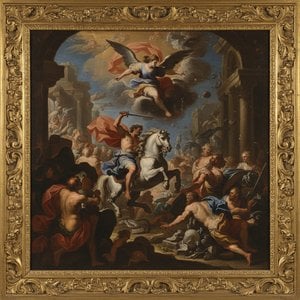
Explore the breathtaking power of Baroque art. Delve into the dramatic interplay of light, shadow, and motion through the works of masters like Caravaggio. Discover how the era's intense emotional realism continues to inspire collectors and connoisseurs of classical grandeur.

Embark on a sophisticated journey through the eternal allure of mythological art. Discover how master painters breathe life into ancient legends, from Greek deities to Baroque masterpieces, and learn to curate these timeless narratives within your own exquisite art collection.


 プレビュー
プレビュー
 シェアする
シェアする シェアする
シェアする
 詳細を見る
詳細を見る

 ダウンロード
 似ている作品
 X線調査
X線調査 スライドショー
 統計情報
統計情報

 詳細を見る
詳細を見る









 ガラスオプションは、110cm未満のサイズでのみご利用いただけます。


