OilWallArtBaroque Classicism
 1639
1639 95.0 x 121.0 cm
オンラインプレビューをはるかに凌ぐ、高解像度で鮮明なデジタル画像をご購入いただけます。
各ファイルは、社内の専門家が高度なツールと熟練した手作業によるレタッチを駆使し、細心の注意を払って仕上げています。すべての画像において、卓越した鮮明度、正確な色彩再現性、そして繊細なディテールをお約束いたします。
最終ファイルは、プロフェッショナルな編集・印刷環境ですぐにご利用いただけるよう最適化された状態で、72時間以内にメールにてお届けいたします。これは、一流のデザインスタジオ、出版社、ギャラリーから信頼されているものと同等の品質です。
個人での鑑賞、印刷、クリエイティブなプロジェクトにご利用いただける高解像度ファイルをダウンロードできます。 ( プリント版に切り替え 手描きの複製画を注文する)
WahooArt.com を選ぶことは、単に画像を手に入れることではありません。プロの手によって精密に仕上げられ、満足保証が付いた高品質なデジタルアートワークを受け取ることを意味します。ご注文いただいた際に自動的に付随する内容は、以下の通りです:
ご注文から72時間以内に、高解像度のデジタル画像ファイルをメールでお送りいたします。お手元に届き次第、すぐにご利用いただけます。
お客様の作品は、高度なAI技術と専門家による手作業を組み合わせてプロフェッショナルに最適化されており、細部のディテール、鮮明さ、そして正確な色再現性を最大限に引き出しています。
ファイルを誤って削除したり、紛失してしまったりしましたか?ご安心ください。いつでも無料で再送いたします。
関税や手数料、配送料を気にすることなく、お気に入りのアートワークをすぐにお楽しみいただけます。デジタルダウンロードは常に免税です。
プロ仕様のツールとカラーマネジメント技術を用いることで、デジタル画像が元の色を最大限に忠実に再現することを保証いたします。
ご購入いただいたデジタル画像にご満足いただけない場合は、100日以内であれば、理由を問わず修正または100%の返金対応をさせていただきます。
ご満足いただけない場合は、デジタルファイルを受け取ってから100日以内であれば、理由を問わず全額返金いたします。
3枚購入で10%OFF、5枚購入で15%OFF、10枚以上のご購入で20%OFF。クリエイティブなプロジェクトやギャラリー、エージェンシーに最適です。
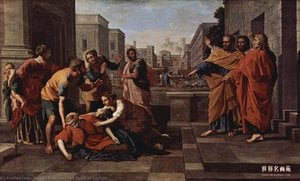
Nicolas Poussin’s “Extreme Unction,” painted in 1639, is not merely a depiction of a religious ritual; it's a profoundly moving meditation on mortality, faith, and the acceptance of life’s inevitable end. Commissioned by Cassiano del Pozzo, an avid collector of antiquities and works of art, this painting forms part of Poussin’s ambitious “Seven Sacraments” series – a project that sought to visually illustrate the core tenets of Roman Catholicism. The work, now residing in the National Gallery in London alongside its companions, offers a rare glimpse into 17th-century European religious practice and the deeply personal experience of death and dying.
Poussin’s masterful command of Classicism is immediately evident. He eschews the dramatic theatricality often associated with Baroque painting for a carefully constructed scene imbued with order, harmony, and an almost unsettling serenity. The composition is meticulously balanced; the figures are arranged in a pyramidal structure that draws the eye towards the central figure receiving the last rites. The use of muted earth tones – ochres, browns, and greys – creates a somber atmosphere, punctuated by subtle highlights that emphasize the textures of the fabrics and the pallor of the dying man’s skin. Poussin's signature technique—a deliberate layering of thin glazes of oil paint—allows for remarkable luminosity and depth, capturing both the physical presence of the individuals and the ethereal quality of the spiritual realm.
“Extreme Unction” vividly portrays the sacrament itself. The scene unfolds within a modest chamber, dominated by two simple benches that suggest a sense of quiet contemplation. A bowl, positioned near the dying man, is a crucial element – it represents the oil used in the ritual, symbolizing healing and purification. The presence of multiple attendants—mourners, priests, and assistants—underscores the communal nature of this sacred act. Notably, Poussin doesn’t depict overt grief or despair; instead, there's an air of acceptance, a quiet dignity that speaks to the spiritual preparation for death. The inclusion of the two benches in the background adds depth to the composition, creating a sense of space and suggesting the continuity between life and eternity.
The identity of the dying man remains deliberately ambiguous, adding to the painting’s universality. He is not a specific historical figure but rather an archetype – a representation of humanity facing its mortality. The priest administering the sacrament is similarly anonymous, further emphasizing the sacred nature of the event itself. Poussin's careful attention to detail—the folds of the robes, the expressions on the faces of the mourners—reveals his deep understanding of human anatomy and psychology. He doesn’t simply record a scene; he conveys an emotional truth about the human condition.
“Extreme Unction” is more than just a religious painting; it's a testament to Poussin’s artistic genius and his ability to infuse classical principles with profound emotional resonance. The work reflects the influence of Renaissance masters, particularly Raphael, whose emphasis on clarity, proportion, and idealized beauty informed Poussin’s own style. However, Poussin transcends mere imitation; he transforms these influences into something uniquely his own—a synthesis of intellectual rigor and spiritual sensitivity.
The painting's enduring appeal lies in its ability to evoke a sense of both melancholy and hope. It acknowledges the inevitability of death but also celebrates the possibility of redemption and eternal life. As part of The Seven Sacraments, “Extreme Unction” serves as a poignant reminder of the importance of faith, compassion, and the acceptance of our shared mortality. Today, its preservation stands as a vital link to the artistic and spiritual landscape of 17th-century Europe, offering viewers an opportunity to contemplate profound questions about life, death, and the mysteries of the human soul.
ニコラ・プーサン作「Extreme Unction」は、作者の近世美術という時代における、Baroque Classicismのムーブメントに位置づけられます。
ニコラ・プーサン作「Extreme Unction」は1639年に制作されたもので、Baroque Classicismに属します。
ニコラ・プーサン作「Extreme Unction」には、Largeのレプリカをおすすめします。比率を維持したまま、サイズを調整することが可能です。


1594 - 1665 , フランス

 設置イメージを確認
 送る
送る シェア
シェア
 詳細情報
詳細情報 ガイドを表示

 画像をダウンロード
 似ている作品
 X線調査
X線調査 スライドショー
 統計情報
統計情報 続きを読む
続きを読む