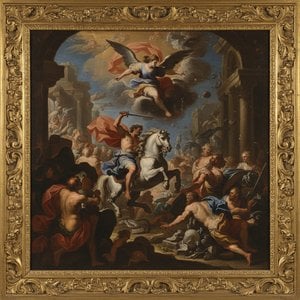
A Window Into Ancient Reverie: Nicolas Poussin’s Bacchic Scene
Nicolas Poussin's Bacchic Scene, painted in 1627 and now residing within the Staatsliche Museen in Kassel, Germany, is more than just a depiction of revelry; it’s a meticulously crafted portal into the heart of Roman mythology and the intoxicating allure of Dionysian ecstasy. This masterful work transcends mere representation, offering a profound meditation on joy, abandon, and the human desire for liberation—themes that continue to resonate powerfully with viewers centuries later. Poussin, a pivotal figure bridging the Baroque and Classical eras, expertly blends the dynamism of the Baroque with the serene clarity and intellectual rigor characteristic of his classical influences, creating an image both vibrant and deeply contemplative.
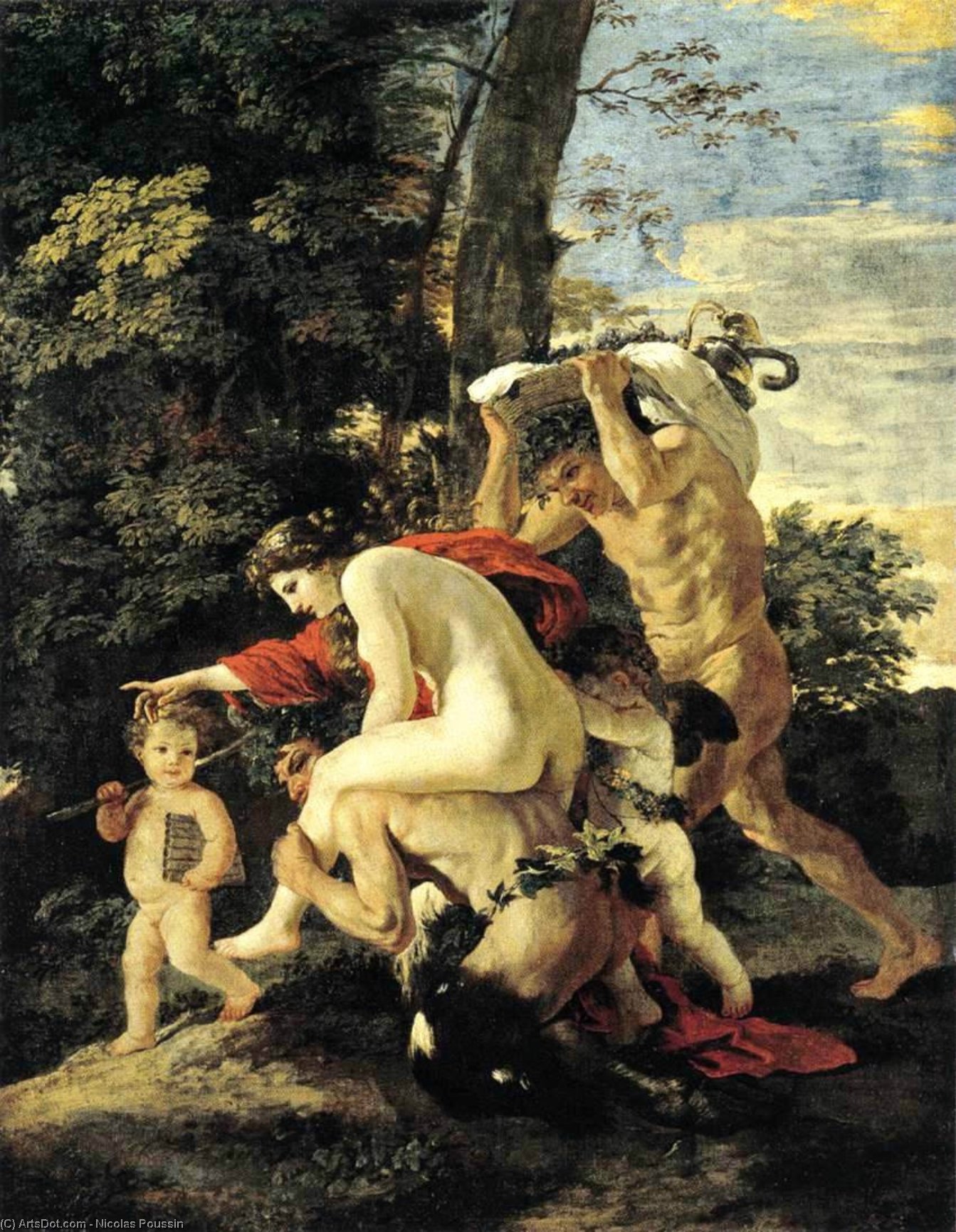
The painting immediately captivates with its lush, almost dreamlike setting. A dense forest, teeming with verdant trees, forms the backdrop for a lively gathering of figures caught in the throes of celebration. The composition is carefully orchestrated, drawing the eye towards a central group dominated by three key figures: a man standing atop another seated figure, and a third positioned to the right. These aren’t merely participants; they are anchors within a swirling vortex of activity. Beyond this core trio, the scene unfolds with a supporting cast – two individuals glimpsed at the edges, a child nestled near the bottom left corner, and a horse subtly integrated into the background—each element contributing to the overall sense of abundance and unrestrained joy. The use of perspective is particularly noteworthy, creating an illusion of depth that draws the viewer into this immersive world.
Decoding the Language of Myth
At its core, the Bacchic Scene is a vibrant interpretation of Roman festivals dedicated to Bacchus, the god of wine, fertility, and ecstasy. The figures are not simply depicted as celebrating; they embody the very essence of Dionysian revelry—a state characterized by intoxication, loss of inhibitions, and a profound connection with nature. The presence of the horse is particularly significant, symbolizing wildness, freedom, and the untamed spirit of Bacchus. It’s a potent visual reminder of the primal forces at play within this scene, suggesting a return to instinctual joy and a rejection of societal constraints.
Symbolism permeates every aspect of the painting. The figures themselves are rendered in various states of intoxication—some dancing wildly, others reclining languidly, while still others engage in more intimate interactions. The scattered fruit and overflowing baskets further emphasize the abundance and generosity associated with Bacchus’s domain. Poussin masterfully employs chiaroscuro – a dramatic technique utilizing strong contrasts between light and dark – to sculpt the figures, lending them volume and creating a palpable sense of movement and drama. This masterful use of light not only enhances the visual impact but also contributes to the painting's overall atmosphere of heightened emotion.
A Synthesis of Styles: Poussin’s Artistic Legacy
Nicolas Poussin’s genius lies in his ability to seamlessly blend classical ideals with Baroque dynamism. He inherited the Baroque emphasis on dramatic lighting and movement, but tempered it with a profound understanding of classical composition and idealized beauty. The Bacchic Scene exemplifies this synthesis perfectly—it's both intensely emotional and remarkably controlled, both vibrant and serene. His meticulous attention to detail, evident in the rendering of drapery, foliage, and facial expressions, speaks to his dedication to realism while simultaneously elevating the scene to a level of timeless elegance.
The painting’s influence extends far beyond its own time. Artists like Thomas Robson created copies of Poussin's works, demonstrating the enduring appeal of his style. Considered a cornerstone of European art history, Poussin’s work continues to inspire and captivate audiences today. For those seeking to experience the beauty and intellectual depth of this masterpiece, WahooArt offers meticulously crafted hand-painted reproductions that faithfully capture the essence of Poussin's vision. Explore more of Poussin’s captivating works, such as Narcissus and Echo and Esther before Ahasuerus, available on WahooArt.com – a testament to an artist whose legacy continues to illuminate the world of art.
Discover more about Nicolas Poussin and his works on WahooArt.



 プレビュー
プレビュー
 手描きの絵画を購入
 シェアする
シェアする シェアする
シェアする
 詳細を見る
詳細を見る

 ダウンロード
 似ている作品
 X線調査
X線調査 スライドショー


 詳細を見る
詳細を見る






































 ガラスオプションは、110cm未満のサイズでのみご利用いただけます。