
x


迅速な制作と多彩な仕上げオプションを備えた、ミュージアムクオリティのジークレーまたはキャンバスプリント。 ( 手描きの絵画を購入 画像を購入)
作品のオリジナル比率に合わせた、当店の規定サイズからお選びください。

特定のフレームやスペースに合わせて、ご自身でサイズを指定することも可能です。選択されたサイズが元の画像の比率と一致しない場合、作品をトリミングするか、鏡面反射または単色での塗りつぶしによって画像を拡張いたします。制作を開始する前に、ご確認用のデジタルモックアップをお送りいたします。
画面上のプレビューには、実際のトリミングや拡張は反映されませんのでご注意ください。最終的な構図を正確に確認できるのは、モックアップのみとなります。
カスタムサイズも承っておりますが、元の比率を維持するためには、あらかじめ用意されたリストからサイズを選択することをお勧めいたします。

Percussion Pistol
複製画のサイズ

In the grand tapestry of French history, where the opulence of the Bourbon monarchy met the iron resolve of the Napoleonic era, few figures embodied the intersection of lethal utility and exquisite artistry as profoundly as Nicolas Noel Boutet. Born in Paris in 1761, Boutet was not merely a craftsman but a visionary who transformed the grim necessity of weaponry into a high art form. As the son of the royal gunsmith Noël Boutet, his very existence was intertwined with the forge and the court. His early years were spent under the watchful eye of his father, absorbing the meticulous traditions of French metallurgy and the exacting standards required by the crown. This apprenticeship did more than teach him how to shape steel; it instilled in him a profound understanding of how an object could serve as both a functional tool of war and a breathtaking masterpiece of decorative design.
The trajectory of Boutet’s life was one of remarkable resilience and adaptation amidst the turbulent tides of French politics. His ascent within the aristocratic circles of Versailles was further cemented in 1788 through his marriage to Leonie-Emilie Desainte, whose familial connections to the royal workshops bolstered his standing at court. It was during this period of relative stability that King Louis XVI bestowed upon him the prestigious title of “Gunmaker-in-Ordinary,” a recognition that placed Boutet at the heart of the kingdom's military and aesthetic identity. Under his stewardship as Director General of the Manufacture Royale d'Armes de Versailles, the arsenal became a powerhouse of innovation, churning out more than 600,000 weapons that were as much jewels of the state as they were instruments of defense.
As the fires of the French Revolution swept through Paris, Boutet demonstrated an uncanny ability to navigate the shifting winds of power. While many craftsmen found their livelihoods threatened by the collapse of the monarchy, Boutet’s unparalleled skill ensured his continued relevance. He transitioned seamlessly from serving the Bourbons to directing the state arms manufactory under Napoleon Bonaparte. This era marked a pinnacle in his career, where the grandeur of the Ancien Régime met the imperial ambitions of the French Empire. His work during this time reflected a unique synthesis of styles: the delicate, ornate engravings of the late 18th century blended with the robust, commanding presence required by Napoleon’s battle-hardened cavalry and infantry.
The true genius of Boutet lay in his ability to elevate the mundane components of weaponry—the brass, the steel, the ebony, and the gold—into a cohesive language of prestige. His pistols and blades were characterized by:
Ultimately, Nicolas Noel Boutet left behind a legacy that transcends the mere history of arms manufacture. He was a master of the transition between eras, a man who could capture the elegance of a dying monarchy and the fierce energy of a rising empire within the grip of a single pistol. His work remains a testament to the idea that even in the darkest shadows of conflict, there exists a profound human impulse toward beauty, craftsmanship, and the pursuit of perfection.

1761 - 1833 , France
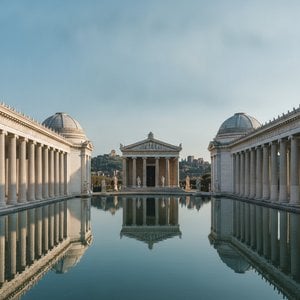
Discover the profound elegance of Neoclassicism. Explore how the pursuit of order, symmetry, and Greco-Roman ideals created a timeless aesthetic for collectors seeking grandeur and intellectual depth in fine art and architecture.


最新の美術ニュース、限定オファー、そしてインテリアのアイデアをいち早くお届けします。
お客様のプロジェクトについてお聞かせください。当社の美術専門家が、お客様に合わせた3つのパーソナライズされた芸術提案をご提供いたします。
あなたにぴったりの3作品を無料で厳選いたします


 プレビュー
プレビュー
 シェアする
シェアする シェアする
シェアする
 詳細を見る
詳細を見る

 ダウンロード
 似ている作品
 X線調査
X線調査 スライドショー

 詳細を見る
詳細を見る






































 ガラスオプションは、110cm未満のサイズでのみご利用いただけます。


