
迅速な制作と多彩な仕上げオプションを備えた、ミュージアムクオリティのジークレーまたはキャンバスプリント。 ( 手描きの絵画を購入 デジタル画像販売へ切り替え)





























作品のオリジナル比率に合わせた、当店の規定サイズからお選びください。

特定のフレームやスペースに合わせて、ご自身でサイズを指定することも可能です。選択されたサイズが元の画像の比率と一致しない場合、作品をトリミングするか、鏡面反射または単色での塗りつぶしによって画像を拡張いたします。制作を開始する前に、ご確認用のデジタルモックアップをお送りいたします。
画面上のプレビューには、実際のトリミングや拡張は反映されませんのでご注意ください。最終的な構図を正確に確認できるのは、モックアップのみとなります。
カスタムサイズも承っておりますが、元の比率を維持するためには、あらかじめ用意されたリストからサイズを選択することをお勧めいたします。

CONVERSATION GALANTE
複製画のサイズ
Nicolas Lancret’s “Conversation Galante” isn't merely a painting; it’s a meticulously crafted window into the opulent and subtly decadent world of 18th-century French aristocracy. Completed around 1743, during the reign of Louis XV, this work embodies the Rococo style at its most charming – a delicate dance between flirtation, leisure, and social maneuvering. The scene unfolds within a lush, verdant landscape, hinting at an idyllic retreat from the formalities of court life. Lancret masterfully captures not just appearances but also the unspoken language of polite society, where glances, gestures, and carefully chosen words held immense significance.
The composition immediately draws the eye to a central couple – a man and woman engaged in what appears to be a lighthearted exchange. A smaller figure, likely a young gentleman, is positioned slightly behind them, suggesting an attentive observer or perhaps a hopeful suitor. The arrangement isn’t overtly dramatic; instead, it exudes a sense of relaxed elegance, typical of the *fête galante* genre that Lancret so expertly portrayed. Notice how the figures are draped in flowing fabrics, their postures graceful and unhurried – a deliberate contrast to the rigid formality often associated with aristocratic gatherings.
Lancret’s technical skill is immediately apparent in the painting's exquisite color palette. He employs a masterful use of pastel hues—soft yellows, blush pinks, muted blues, and earthy greens—creating an atmosphere of airy lightness and refined beauty. The brushstrokes are remarkably subtle, almost translucent, contributing to the overall sense of softness and fluidity. This technique, characteristic of Rococo painting, emphasizes texture and light rather than sharp outlines or dramatic contrasts. Observe how Lancret uses *sfumato*, a blurring effect that softens edges and creates an ethereal quality, particularly in the foliage and the figures’ clothing.
The impasto technique is also evident in certain areas, notably in the details of the flowers and foliage, adding a tactile dimension to the painting. Lancret's attention to detail extends to the rendering of fabrics – the folds of the dresses, the textures of the velvet cushions—each element meticulously crafted to convey a sense of luxury and refinement. The lighting is diffused and gentle, originating from an unseen source on the left side of the composition, casting subtle shadows that enhance the depth and dimensionality of the scene.
“Conversation Galante” is rich in symbolic meaning, reflecting the values and conventions of 18th-century French society. The setting itself—a secluded garden or park—represents a space of escape and intimacy, shielded from the pressures of public life. The conversation between the figures suggests a delicate dance of courtship, where social graces and unspoken desires intertwine. The small gestures – a glance exchanged, a hand lightly touching—speak volumes about the complex dynamics of relationships within aristocratic circles.
The painting’s overall mood is one of playful sophistication, but beneath the surface lies a subtle commentary on the constraints and expectations placed upon women in that era. While seemingly engaged in a lighthearted exchange, the woman's posture and expression hint at a degree of restraint and carefully controlled behavior. Lancret captures this duality with remarkable sensitivity, offering viewers a glimpse into both the pleasures and the limitations of aristocratic life.
“Conversation Galante” remains a captivating work of art, admired for its exquisite beauty, technical skill, and insightful portrayal of 18th-century society. Reproductions offer an accessible way to experience the charm and elegance of this iconic painting, bringing its delicate colors and subtle nuances into any interior space. Consider framing a high-quality reproduction in a classic style to complement its Rococo aesthetic, or explore options for commissioning a custom hand-painted replica that captures the spirit of Lancret’s original masterpiece.
1690年にパリで生まれたニコラ・ランクレは、フランスのロココ美術を代表する画家の一人です。彼の作品は、当時の貴族社会や日常生活を描き出し、優雅さと軽快さを特徴としています。詳細な記録は少ないものの、ランクレの芸術的な旅は、敬意を集める歴史画家ピエール・デュランのもとでの初期の訓練から始まりました。しかし、アントワーヌ・ワトーの作品との出会いが彼の芸術的指向性に決定的な影響を与えました。その後、ワトーの弟子であったジャン=バティスト・ギヨーのもとで学び、この時期の研鑽が、ランクレ独特のスタイルを確立する基礎となりました。それは、パリ社会の軽妙な描写や、*fêtes galantes*(優雅な野外パーティー)の祝祭を描くことで特徴づけられます。
ランクレは、オルレアン公国の摂政時代からルイ15世の初期にかけてのフランス社会における日常生活を鮮やかに描き出す才能で知られるようになりました。彼の芸術的スタイルは、舞踏会、市、村の結婚式などの社交的な場面を描いた魅力的な作品によって特徴づけられ、当時の趣味やマナーを反映しています。彼はロココの優雅さと軽薄さを捉えることに長けていました。
ランクレの芸術的スタイルはワトーに強く似ており、美術史家たちはしばしば二人の比較を行います。一部の批評家は、ランクレの作品をワトーのものほど深遠ではないと考えていますが、18世紀フランス社会の本質を捉える彼の能力は、彼を芸術史における重要な地位を確立しました。彼の絵画は軽妙さと魅力で称賛され、ロココ時代の社会的慣習と美学に関する貴重な洞察を提供しています。ランクレの影響は、後の画家フランソワ・ブーシェに見られます。彼の作品は、ナショナル・ギャラリーやオルセー美術館など、世界中の著名なコレクションに収蔵されており、フランスのロココ美術への賞賛が今後も続くことを保証しています。
キャリアを通じて、ランクレは芸術的なアプローチを着実に進化させました。当初はワトーの影響を強く受けていましたが、より鮮やかな色彩と、人物と周囲の環境との調和のとれた関係性を特徴とする独自のスタイルを発展させました。彼の後期の作品、『魔法の提灯の展示』や『庭の家族』などは、彼の芸術的成果の頂点を示すものと考えられており、構成の中で深みと親密さを生み出す能力が高まっていることがわかります。ランクレの歴史的意義は、ロココ運動への貢献と、魅力的な絵画を通して18世紀フランスの社会生活や文化的価値を記録する能力にあります。

1690 - 1743 , フランス

Immerse yourself in the splendor of Rococo art. Discover the era of elegance through masterworks by Watteau and Fragonard. Explore themes of romance, aristocratic leisure, and gilded ornamentation in this definitive guide to 18th-century French opulence.
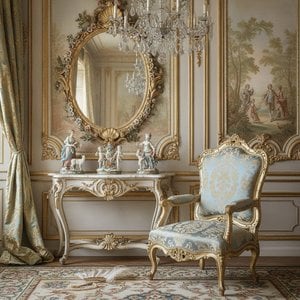
Discover the exquisite allure of Rococo art. Explore a curated guide to 18th-century French masterpieces, from Watteau to Fragonard, and learn how hand-painted oil reproductions can bring timeless elegance and luxury to your sophisticated interior design collection.


 プレビュー
プレビュー
 シェアする
シェアする シェアする
シェアする
 詳細を見る
詳細を見る

 ダウンロード
 似ている作品
 X線調査
X線調査 スライドショー
 統計情報
統計情報

 詳細を見る
詳細を見る









 ガラスオプションは、110cm未満のサイズでのみご利用いただけます。


