
x


 Oil On PanelEarly Renaissance
 1480Renaissance
 138.0 x 58.0 cm
 メトロポリタン美術館




























作品のオリジナル比率に合わせた、当店の規定サイズからお選びください。

特定のフレームやスペースに合わせて、ご希望のサイズをご入力いただけます。選択されたサイズが元の画像の比率と異なる場合、アートワークをトリミングするか、手描きで要素を追加して絵画を拡張いたします。デジタルモックアップ を制作し、制作開始前にご確認(承認)をいただきます。
画面上のプレビューは、実際のトリミングや拡張を正確に反映しているものではありません。最終的な構図は、モックアップによってのみ正確にご確認いただけます。
カスタムサイズもご利用いただけますが、元の比率を維持するためには、あらかじめ用意されたリストからサイズを選択することをお勧めいたします。

The Pérussis Altarpiece
複製画のサイズ
To gaze upon this magnificent altarpiece is to step directly into the charged atmosphere of late Quattrocento France. Dating to 1480, Nicolas Froment’s The Pérussis Altarpiece transcends mere religious depiction; it is a complex tapestry woven from profound spiritual devotion, burgeoning Renaissance naturalism, and the specific cultural anxieties of its time. The subject matter—the adoration of the empty cross on Golgatha—possesses an immediate, arresting power. It captures that pivotal moment of contemplation following sacrifice, inviting the viewer into a space where divine mystery meets human reverence.
Froment, operating within the vibrant crucible of the Second School of Avignon, stands as a fascinating bridge between the lingering elegance of Gothic tradition and the burgeoning realism whispered by Flemish influences. Technically, the work is breathtakingly detailed. Observe how the artist manages to combine the timeless, ethereal quality of the gold ground—a hallmark of earlier devotional art—with an astonishingly faithful topographical view of Avignon itself. This juxtaposition is revolutionary; it anchors the eternal narrative within a specific, tangible place. The composition unfolds across multiple planes, guiding the eye through scenes involving Christ on the cross, flanked by attendant angels in various positions, and culminating in the solemn figure kneeling before the divine drama.
The symbolism here is rich and multi-layered, inviting prolonged study. The presence of multiple crosses emphasizes the weight and significance of the Passion narrative. Furthermore, the inclusion of elements such as skulls and birds adds a layer of memento mori—a constant reminder of mortality set against the backdrop of eternal salvation. The kneeling donor figure, perhaps Aloisius himself, acts as a conduit for the viewer, compelling us to adopt his posture of prayer and contemplation. It is an intimate moment of personal piety framed by monumental religious art.
Originally commissioned for the Pérussis family, this altarpiece carries the weight of patronage and history within its very pigments. For those seeking to infuse a space—be it a private chapel, a grand hall, or a richly decorated interior—with the gravitas and artistry of the early French Renaissance, this work offers unparalleled depth. Owning a reproduction allows one to connect with the sophisticated blend of local Provençal identity and universal Christian narrative that defined life in 15th-century Avignon. It is not merely decoration; it is a profound meditation rendered visible.


1430 - 1484 , France

Explore the dramatic brilliance of the Flemish Baroque movement. Discover how masters like Peter Paul Rubens utilized chiaroscuro and dynamic composition to redefine art history through light, shadow, and unparalleled emotion.

Explore the exquisite precision of Flemish painting. From Jan van Eyck to Robert Campin, discover the revolutionary oil techniques and rich symbolism that defined the Northern Renaissance and continue to inspire fine art collectors today.

Embark on a journey through the exquisite precision of Flemish Art. Discover the pioneering oil techniques, profound symbolism, and luminous realism that define the Northern Renaissance masters in this expert guide for art enthusiasts.
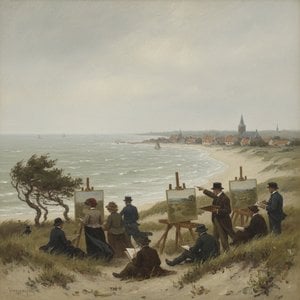
Explore the ethereal beauty of the Hague School art movement. Discover how masters like Jan Weissenbruch captured the atmospheric grey light of the Dutch landscape through unparalleled technique and emotive, misty compositions.

Explore the profound beauty of American Romanticism. Discover how the Hudson River School captured the wild frontier through masterful landscapes, exploring the legacy of legends like Thomas Cole and Asher Durand in this deep dive into art history.


最新の美術ニュース、限定オファー、そしてインテリアのアイデアをいち早くお届けします。
お客様のプロジェクトについてお聞かせください。当社の美術専門家が、お客様に合わせた3つのパーソナライズされた芸術提案をご提供いたします。
あなたにぴったりの3作品を無料で厳選いたします


 プレビュー
プレビュー
 プリントを購入
 シェアする
シェアする シェアする
シェアする
 詳細を見る
詳細を見る

 ダウンロード
 似ている作品
 X線調査
X線調査 スライドショー
 詳細を見る
詳細を見る









 ガラスオプションは、110cm未満のサイズでのみご利用いただけます。


![Stanze Vaticane - The School Of Athens (detail) [05] — ラファエロ, Renaissance](/media/artworks/images-thumb/ca/a9/caa9f9be8f76fbc617e906bfcb543fad.jpg)


