
x


 Oil On CanvasWallArtNeoclassical Style
 1775Early Modern
 175.0 x 123.0 cm
 National Gallery of Denmark
迅速な制作と多彩な仕上げオプションを備えた、ミュージアムクオリティのジークレーまたはキャンバスプリント。 ( 手描きの絵画を購入 画像を購入)





























作品のオリジナル比率に合わせた、当店の規定サイズからお選びください。

特定のフレームやスペースに合わせて、ご自身でサイズを指定することも可能です。選択されたサイズが元の画像の比率と一致しない場合、作品をトリミングするか、鏡面反射または単色での塗りつぶしによって画像を拡張いたします。制作を開始する前に、ご確認用のデジタルモックアップをお送りいたします。
画面上のプレビューには、実際のトリミングや拡張は反映されませんのでご注意ください。最終的な構図を正確に確認できるのは、モックアップのみとなります。
カスタムサイズも承っておりますが、元の比率を維持するためには、あらかじめ用意されたリストからサイズを選択することをお勧めいたします。

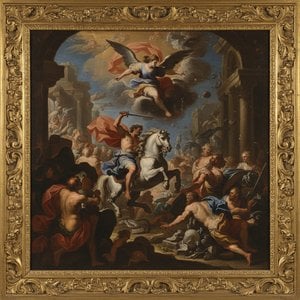
The Wounded Philoctetes
複製画のサイズ
In the quiet intensity of Nicolai Abraham Abildgaard’s 1775 masterpiece, The Wounded Philoctetes, we encounter more than a mere mythological tableau; we witness a profound psychological rupture. The painting serves as a defiant departure from the rigid, idealized restraint of Neoclassicism, stepping instead into the raw, emotive territory that would soon define the Romantic era. Abildgaard does not simply depict the legendary Greek hero; he invites us to inhabit his suffering. As Philoctetes sits exiled on the desolate Lemnos Island, the viewer is confronted with a visceral study of Weltschmerz—that pervasive sense of world-weariness and existential melancholy that haunted the intellectual landscape of Northern Europe during this transformative period.
The subject matter draws deeply from the well of Homeric legend, portraying the hero following his abandonment by the Greeks due to a festering wound. Through Abildgaard’s lens, the physical trauma of the snakebite becomes a metaphor for the deeper, more insidious wounds of betrayal and isolation. The composition is anchored by the hero's contorted posture, where every strained muscle and twisted limb speaks to an unbearable physical and emotional burden. This narrative depth transforms the canvas from a historical illustration into a timeless exploration of human vulnerability and the resilience required to endure profound abandonment.
Technically, Abildgaard achieves a breathtaking tension through his masterful use of chiaroscuro. Drawing inspiration from the dramatic shadows of Caravaggio, the artist employs sharp contrasts between light and dark to sculpt the figure out of the gloom. This technique does more than create depth; it directs the eye toward the hero's wounded flesh and the rugged textures of his surroundings, heightening the sense of immediate, tactile pain. The play of light across the musculature is nothing short of sculptural, reminiscent of Michelangelo’s Torso Belvedere, lending the figure a monumental presence that commands the space.
The artist's approach to anatomy is both precise and expressive. Rather than seeking an unattainable perfection, Abild gaard focuses on the physicality of distress. The way the man holds himself up with a single hand, the tension in his back, and the visible scars across his skin all contribute to a sense of lived experience and survival. This anatomical realism serves the emotional purpose of the work, ensuring that the viewer feels the weight of the hero's plight. For the discerning collector or designer, this level of technical sophistication offers a piece that is both intellectually stimulating and visually arresting.
Beyond the central figure, the subtle details within the scene enrich the painting’s symbolic tapestry. The presence of scattered books suggests a reservoir of wisdom or perhaps the heavy burden of knowledge gained through hardship, while the bow and arrow serve as poignant reminders of his lost glory and his identity as a warrior. Even the leopard skin rug upon which he rests adds a layer of primal, untamed energy to the composition, contrasting with the intellectual weight of the surrounding elements. These details create a rich, layered environment that rewards prolonged contemplation.
For those looking to integrate such a powerful work into a curated interior, The Wounded Philoctetes offers an unparalleled opportunity to introduce drama and historical gravity. As a high-quality reproduction, it brings the brooding elegance of the late 18th century into a modern setting, acting as a focal point that sparks conversation and evokes deep emotion. It is a piece for those who appreciate art that does not merely decorate a room but breathes life, history, and a profound sense of human truth into its surroundings.


1743 - 1809 , デンマーク
Explore the breathtaking power of Baroque art. Delve into the dramatic interplay of light, shadow, and motion through the works of masters like Caravaggio. Discover how the era's intense emotional realism continues to inspire collectors and connoisseurs of classical grandeur.

Explore the profound elegance of Baroque Classicism. Discover how masters fused dramatic chiaroscuro with structured order to redefine art history through light, shadow, and emotional grandeur.

Embark on a sophisticated journey through Italian Baroque art. Discover the dramatic interplay of light and emotion in Caravaggio’s masterpieces and explore how to bring this timeless grandeur into your collection with expert art insights.

Explore the profound drama of Baroque Realism. Discover how masters used chiaroscuro and tenebrism to command light and shadow, creating timeless emotional depth in 17th-century masterpieces.

Explore the breathtaking drama of the Baroque era. From the mastery of chiaroscuro to epic mythological narratives, discover a definitive guide to art's most powerful period of light, shadow, and emotion for the true classical art enthusiast.


最新の美術ニュース、限定オファー、そしてインテリアのアイデアをいち早くお届けします。
お客様のプロジェクトについてお聞かせください。当社の美術専門家が、お客様に合わせた3つのパーソナライズされた芸術提案をご提供いたします。
あなたにぴったりの3作品を無料で厳選いたします


 プレビュー
プレビュー
 シェアする
シェアする シェアする
シェアする
 詳細を見る
詳細を見る

 ダウンロード
 似ている作品
 X線調査
X線調査 スライドショー
 詳細を見る
詳細を見る









 ガラスオプションは、110cm未満のサイズでのみご利用いただけます。


