
当社のアーティストが、お客様のご希望のサイズと額縁に合わせて、キャンバスに手描きで制作する油彩画です。 ( プリント版に切り替え デジタル画像販売へ切り替え)





























作品のオリジナル比率に合わせた、当店の規定サイズからお選びください。

特定のフレームやスペースに合わせて、ご希望のサイズをご入力いただけます。選択されたサイズが元の画像の比率と異なる場合、アートワークをトリミングするか、手描きで要素を追加して絵画を拡張いたします。デジタルモックアップ を制作し、制作開始前にご確認(承認)をいただきます。
画面上のプレビューは、実際のトリミングや拡張を正確に反映しているものではありません。最終的な構図は、モックアップによってのみ正確にご確認いただけます。
カスタムサイズもご利用いただけますが、元の比率を維持するためには、あらかじめ用意されたリストからサイズを選択することをお勧めいたします。

White Himalayas
複製画のサイズ
Nicholas Roemerich's “White Himalayas,” painted in 1931, is more than just a depiction of majestic mountain peaks; it’s a profound meditation on the relationship between humanity, nature, and the spiritual realm. This stunning work embodies the core tenets of Roerich’s artistic philosophy – a fervent belief that art should serve as a vehicle for exploring universal truths and promoting peace. The painting immediately draws the viewer into a breathtaking vista of snow-capped mountains rendered in evocative blues, suggesting not merely visual beauty but also an underlying spiritual resonance.
Roerich’s style is characterized by a meticulous attention to detail combined with a loose, expressive brushstroke. He employed a glazing technique – applying thin layers of translucent paint over dried underlayers – to build up color intensity and achieve the luminous quality that defines “White Himalayas.” This layering creates an almost ethereal effect, as if the mountains themselves are radiating light. The artist’s use of impasto—thickly applied paint—adds texture and emphasizes the ruggedness of the terrain while simultaneously softening the overall impression with delicate washes.
“White Himalayas” is deeply rooted in Roerich’s esoteric beliefs, influenced by Anthroposophy – a spiritual philosophy developed by Rudolf Steiner. The mountains themselves are imbued with symbolic meaning, representing the connection between Earth and Heaven, the material and the spiritual. The scattered trees aren't merely decorative elements; they symbolize life, growth, and the interconnectedness of all things. Roerich believed that art could serve as a conduit for channeling cosmic energy, and this conviction is palpably present in the painting’s serene atmosphere and its powerful sense of timelessness. He often incorporated mandalas – complex geometric designs representing the universe – into his work, though not explicitly here, the underlying principles are evident.
Painted in 1931, “White Himalayas” reflects a period of significant artistic and intellectual ferment. Roerich was at the forefront of a movement seeking to bridge science, art, and spirituality. His work gained international recognition for its beauty and philosophical depth, influencing artists and thinkers across Europe and beyond. Today, "White Himalayas" stands as a testament to Roerich’s enduring vision – a powerful reminder of the profound connection between humanity and the natural world, and the transformative potential of artistic expression.


1874 - 1947 , ロシア

ロマン派絵画の時代を彩る10選。巨匠たちの風景が織りなす感動の世界へ。ターナー、ルーベンスなど、名作の裏話と高精細複製でアートをお部屋に。WahooArt.comで至福のアート体験を。

Explore the captivating art of Nicholas Roerich – a visionary painter whose Himalayan landscapes blend spiritual mysticism with cultural preservation. Discover his legacy & symbolism.
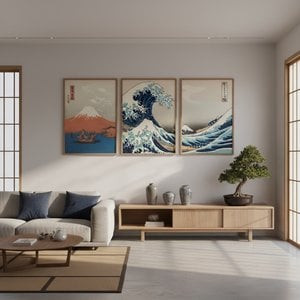
葛飾北斎の25選:『神奈川沖浪裏』や『富嶽三十六景』など、浮世絵の世界を深く探求。木版画の技法と日本美術の美をWahooArtで。高品質なアートプリントで空間に感動を。コレクションはこちら。

Explore the world of giclée prints with WahooArt. Learn about archival quality, aesthetic nuances & investment potential. Expert guidance for discerning art collectors seeking museum-quality reproductions and lasting value.
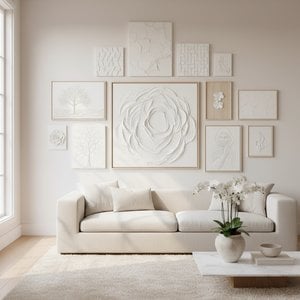
Explore 10 iconic white paintings by Monet, Whistler & Rothko! Discover the stories behind these serene masterpieces and their impact on art history. Find museum-quality reproductions for your home decor at .


 プレビュー
プレビュー
 シェアする
シェアする シェアする
シェアする
 詳細を見る
詳細を見る ガイド
ガイド

 ダウンロード
 似ている作品
 X線調査
X線調査 スライドショー
 統計情報
統計情報

 詳細を見る
詳細を見る









 ガラスオプションは、110cm未満のサイズでのみご利用いただけます。


