

スピーディーな制作と多彩な仕上げオプションが魅力の、ミュージアムクオリティなジークレー・キャンバスプリント。 ( 手描き複製画を注文する デジタル画像販売へ切り替え)





























作品のオリジナル比率に合わせた、当店の規定サイズからお選びください。

額縁や壁のスペースに合わせて、ご希望の幅と高さを入力してください。プリントはカットすることは可能ですが、元の画像より大きくすることはできないため、異なる比率のサイズを選択された場合は、画像の一部が欠けることになります。印刷を開始する前に、内容を確認していただくためのデジタルモックアップをお送りいたします。このページに表示されている画像は、実際のカット後の状態を示すものではありません。実際の仕上がりはモックアップにてご確認ください。
Tarbagatai
複製画サイズ一覧
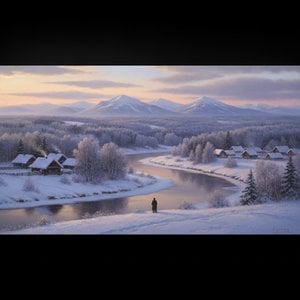
Nicholas Roemerich's “Tarbagatai” is more than just a landscape painting; it’s a profound meditation on the intersection of human aspiration and the enduring power of nature. Executed with his signature meticulous detail and imbued with a deeply spiritual sensibility, this artwork transports the viewer to the rugged beauty of Central Asia, specifically the Tarbagatai Mountains region of Kazakhstan – a place that held immense personal significance for Roerich.
The scene unfolds with a captivating serenity. A formidable stone fortress dominates the background, its yellow-tiled roof blazing against the expansive sky. The architectural details are rendered with painstaking accuracy, reflecting Roerich’s dedication to historical research and his belief that art should be rooted in tangible reality. Two gentle hills frame the composition, adding depth and a sense of vastness, while a solitary figure stands before them, seemingly lost in contemplation of this majestic vista. This central figure isn't merely a compositional element; it represents humanity’s inherent desire for connection with something greater than itself – a theme recurrent throughout Roerich’s oeuvre.
Roerich’s artistic style is immediately recognizable. He developed a highly detailed, almost photographic realism, but never without injecting it with an ethereal quality. His technique involved layering thin glazes of oil paint, building up color and luminosity gradually – a process that allowed him to achieve the rich, vibrant tones characteristic of his work. This meticulous approach, combined with his extensive knowledge of archaeology and ancient cultures, resulted in paintings that possess both scientific precision and profound spiritual resonance.
Roerich’s work was deeply influenced by his belief in the interconnectedness of all things – a concept he termed “Pantheism.” In "Tarbagatai," the fortress itself can be interpreted as a symbol of human civilization, standing against the forces of nature. The solitary figure represents the individual soul seeking spiritual enlightenment. Roerich frequently incorporated alchemical and esoteric symbolism into his paintings, reflecting his interest in ancient wisdom traditions and his desire to promote peace through artistic expression. The Tarbagatai region held particular significance for Roerich as a site of archaeological discovery and a place he believed was imbued with powerful spiritual energy.
"Tarbagatai" evokes a profound sense of wonder and tranquility. It’s a painting that invites the viewer to pause, reflect, and contemplate the relationship between humanity and the natural world. Roerich's work continues to resonate with audiences today, not only for its technical brilliance but also for its timeless themes of spirituality, exploration, and the enduring beauty of the landscape. WahooArt’s hand-painted reproductions capture the essence of this masterpiece, allowing you to experience Roerich’s vision in stunning detail.
「Tarbagatai」は、Sereneな雰囲気を纏っています。
ニコライ・ロエリヒ作「Tarbagatai」は、Acrylic On Canvasの技法とRoerich Romanticismの様式を融合させた作品です。技法(テクニック)は制作手法を、様式(ムーブメント)はその作品のスタイルを表しています。
スライドショーはこちら:ニコライ・ロエリヒ作「Tarbagatai」のスライドショーページ。


1874 - 1947 , ロシア

Journey into the heart of Impressionism! Explore 10 masterpieces by Monet, Renoir & Degas that revolutionized landscape art. Discover their stories, techniques & find museum-quality reproductions to elevate your home decor on WahooArt.com.
Embark on a soulful journey through Russia's breathtaking landscapes. Discover exquisite, hand-painted oil reproductions of Peredvizhniki masterpieces, meticulously crafted to bring the emotional depth and timeless beauty of Russian fine art into your personal sanctuary.

ジョン・コンスタブルの傑作25選。英国風景画の巨匠が描く自然と光の詩の世界へ。ロマン主義を代表する絵画、デダム・ヴェールやヘイ・ウェインなど、WahooArtで高品質なアートプリントをお楽しみください。インテリアに深みと感動を。コレクションはこちら。

Level up your space with high-voltage landscapes from WahooArt.com. Discover bold, vibrant nature scenes—from hand-painted oils to premium prints. Shop high-impact, designer-grade art designed for modern interiors and maximum visual impact. Recharge your decor today.

ロマン派絵画の時代を彩る10選。巨匠たちの風景が織りなす感動の世界へ。ターナー、ルーベンスなど、名作の裏話と高精細複製でアートをお部屋に。WahooArt.comで至福のアート体験を。
 設置イメージを表示
 シェアする
シェアする シェアする
シェアする
 詳細を見る
詳細を見る ガイドを表示

 ダウンロード
 似ている作品
 X線調査
X線調査 スライドショーを表示
 Q&A
Q&A
 統計情報
統計情報

 詳細を表示
詳細を表示









 ガラスオプションは、110cm未満のサイズでのみご利用いただけます。


