

スピーディーな制作と多彩な仕上げオプションが魅力の、ミュージアムクオリティなジークレー・キャンバスプリント。 ( 手描きの複製画を注文する デジタル画像販売へ切り替え)





























作品のオリジナル比率に合わせた、当店の規定サイズからお選びください。

額縁や壁のスペースに合わせて、ご希望の幅と高さを入力してください。プリントはカットすることは可能ですが、元の画像より大きくすることはできないため、異なる比率のサイズを選択された場合は、画像の一部が欠けることになります。印刷を開始する前に、内容を確認していただくためのデジタルモックアップをお送りいたします。このページに表示されている画像は、実際のカット後の状態を示すものではありません。実際の仕上がりはモックアップにてご確認ください。
Study to ''Flying Carpet''
複製画サイズ一覧
This evocative study by Nicholas Roerich, painted in 1915, offers a profound meditation on the human desire for transcendence and connection with the boundless realms of nature. More than just a preparatory sketch for his monumental canvas, "Flying Carpet," this work embodies Roerich’s deeply held spiritual beliefs and his unique artistic vision – one that seamlessly blended Eastern mysticism with Western artistic traditions. The scene depicts a solitary figure poised on the precipice of flight, arms outstretched towards a sky teeming with avian life and symbolic kites, immediately drawing the viewer into a realm of aspiration and wonder.
Roerich's technique is characterized by meticulous detail combined with an expressive handling of paint. He employs loose brushstrokes in the sky to convey movement and atmosphere, contrasting sharply with the more defined rendering of the figure’s form. This juxtaposition reflects his artistic philosophy – a deliberate blending of realistic observation with symbolic representation. The study demonstrates Roerich's mastery of color theory and his ability to create a sense of depth and volume through subtle gradations of tone. It is clear that this piece was created as an exploration of composition and color before the final, larger work.
Created in 1915, during a period of immense social and political upheaval – namely World War I – “Study to ‘Flying Carpet’” reflects Roerich's broader concerns with spiritual renewal and the search for meaning amidst chaos. The inclusion of birds and kites is particularly significant; these elements are rich with symbolism, representing freedom, aspiration, and connection to higher realms. Kites, in particular, held a special significance for Roerich, who associated them with the concept of “aerial travel” – both literal and metaphorical – as a means of transcending earthly limitations. The image resonates with theosophical ideas prevalent at the time, emphasizing the interconnectedness of all things and the potential for human beings to achieve spiritual enlightenment through conscious effort.
Roerich’s work was deeply influenced by his travels in Central Asia and Tibet, where he encountered ancient cultures and esoteric traditions. He believed that art could be a powerful tool for promoting peace and understanding across cultural divides."Study to ‘Flying Carpet’" is more than just a painting; it's an invitation to contemplate the fundamental questions of human existence. The figure’s outstretched pose evokes a sense of longing, hope, and the boundless possibilities that lie beyond our everyday perceptions. This study serves as a powerful reminder of Roerich’s artistic genius and his enduring legacy as one of the 20th century's most visionary artists. A hand-painted reproduction offers an unparalleled opportunity to experience the full emotional impact of this remarkable work, bringing its beauty and symbolism into your home or studio.
ニコライ・ロエリヒ作「Study to ''Flying Carpet''」が持つHopefulなトーンは、おすすめのギフトシーンである「Anniversary」にぴったりです。
ニコライ・ロエリヒは、「Study to ''Flying Carpet''」においてAcrylic On Canvasの技法を用いています。この技法が、原画の素材としての性質を決定づけています。
「Study to ''Flying Carpet''」は、Rosy Brown (#9f927a)を主軸としたMonochromeなパレットによって構成されています。


1874 - 1947 , ロシア

Discover the breathtaking allure of Art Deco. Explore the era's iconic geometry, legendary designers like Erté, and timeless glamour. Perfect for discerning collectors seeking to infuse their spaces with sophisticated modernist elegance and historical prestige.
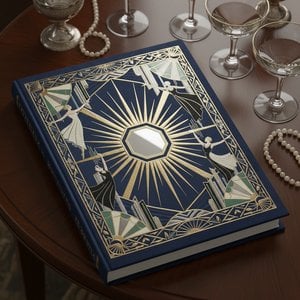
Discover the allure of Art Deco through a curated guide to its most iconic masterpieces. Explore the elegance of Erté and the innovation of Jean Dunand, perfect for collectors seeking timeless glamour and sophisticated design inspiration.

Master the nuances of Giclée printing with our expert guide. Discover how pigment-based inks and museum-grade substrates create fade-resistant, high-fidelity art reproductions designed for discerning collectors seeking unparalleled quality and longevity.

あなたのクリエイティビティを、世界中のファンへ届ける新しい形。在庫リスクなしで始められるオンデマンド・アートプリント販売をご紹介します。美術館品質のジークレー印刷技術を用い、デジタルな感性を一生のレガシーとなるファインアートへと昇華。WahooArtが提案する、洗練されたアーティスト・ビジネスの第一歩をここから。

 設置イメージを確認
 送る
送る シェア
シェア
 詳細情報
詳細情報 ガイドを表示

 画像をダウンロード
 似ている作品
 X線調査
X線調査 スライドショー
 統計情報
統計情報

 続きを読む
続きを読む









 ガラスオプションは、110cm未満のサイズでのみご利用いただけます。


